Thursday, September 10, 2026 · Leading English Source for Global Coffee Industry

Coffee Farm

Latest articles, industry insights and brewing guides
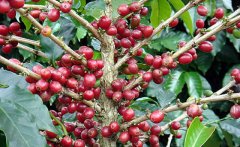
C ô te d'Ivoire is one of the largest producers in the world in terms of quantity

C ô te d'Ivoire is one of the largest producers in the world in terms of quantity

In terms of quantity, it is one of the largest producers in the world. C ô te d'Ivoire has never produced the best quality coffee, and it rarely comes from Arabian coffee trees. In the early 1980s, it was the world's third-largest coffee producer, with an annual output of 5 million bags. Even today, it is still the fifth largest coffee producer in the world, with an annual output of 4.4 million bags. That's it.

Ethiopia Fine Coffee Coffee birthplace single Coffee

Ethiopia Fine Coffee Coffee birthplace single Coffee

The birthplace of coffee-Ethiopia. The coffee tree originated in Ethiopia, which was originally a wild plant here, and the name coffee comes from the Ethiopian town of Kaffa. In fact, many coffee trees in Ethiopia are still wild plants, and the coffee grown on this coffee tree is full-grained and slightly alcoholic. Humans may have been in the 9th century.

Boutique coffee Ethiopian coffee treatment method solarization

Boutique coffee Ethiopian coffee treatment method solarization

The birthplace of coffee-Ethiopia. The coffee tree originated in Ethiopia, which was originally a wild plant here, and the name coffee comes from the Ethiopian town of Kaffa. In fact, many coffee trees in Ethiopia are still wild plants, and the coffee grown on this coffee tree is full-grained and slightly alcoholic. Humans may have been in the 9th century.

Boutique coffee Ethiopian coffee producing area Yega Xuefei Gediyo

Boutique coffee Ethiopian coffee producing area Yega Xuefei Gediyo

The birthplace of coffee-Ethiopia. The coffee tree originated in Ethiopia, which was originally a wild plant here, and the name coffee comes from the Ethiopian town of Kaffa. In fact, many coffee trees in Ethiopia are still wild plants, and the coffee grown on this coffee tree is full-grained and slightly alcoholic. Humans may have been in the 9th century.

Boutique coffee Ethiopian coffee flavor light fermented wine, sweet orange, spices, honey sweet

Boutique coffee Ethiopian coffee flavor light fermented wine, sweet orange, spices, honey sweet

The birthplace of coffee-Ethiopia. The coffee tree originated in Ethiopia, which was originally a wild plant here, and the name coffee comes from the Ethiopian town of Kaffa. In fact, many coffee trees in Ethiopia are still wild plants, and the coffee grown on this coffee tree is full-grained and slightly alcoholic. Humans may have been in the 9th century.

Fragrant, soft-flavored coffee from the war-torn areas of Burundi

Fragrant, soft-flavored coffee from the war-torn areas of Burundi

Fragrant, soft-flavored coffee from war-torn areas. Burundi has the most diverse and successful coffee industry in the world, and has its own characteristics. Coffee in this country was introduced by Belgian colonists in 1930 and is now grown only on small farms. Unfortunately, many of these farms are located on the border with war-torn Rwanda.

Boutique coffee Ethiopian coffee manor Ethiopian coffee producing area

Boutique coffee Ethiopian coffee manor Ethiopian coffee producing area

The birthplace of coffee-Ethiopia. The coffee tree originated in Ethiopia, which was originally a wild plant here, and the name coffee comes from the Ethiopian town of Kaffa. In fact, many coffee trees in Ethiopia are still wild plants, and the coffee grown on this coffee tree is full-grained and slightly alcoholic. Humans may have been in the 9th century.

Fragrant, soft-flavored coffee from the war-torn areas of Burundi

Fragrant, soft-flavored coffee from the war-torn areas of Burundi

Fragrant, soft-flavored coffee from war-torn areas. Burundi has the most diverse and successful coffee industry in the world, and has its own characteristics. Coffee in this country was introduced by Belgian colonists in 1930 and is now grown only on small farms. Unfortunately, many of these farms are located on the border with war-torn Rwanda.

Boutique coffee Ethiopian coffee features introduction to Ethiopian coffee

Boutique coffee Ethiopian coffee features introduction to Ethiopian coffee

The birthplace of coffee-Ethiopia. The coffee tree originated in Ethiopia, which was originally a wild plant here, and the name coffee comes from the Ethiopian town of Kaffa. In fact, many coffee trees in Ethiopia are still wild plants, and the coffee grown on this coffee tree is full-grained and slightly alcoholic. Humans may have been in the 9th century.

Angolan boutique coffee used to be a big coffee producer, but its future is now uncertain.

Angolan boutique coffee used to be a big coffee producer, but its future is now uncertain.

Once a big coffee producer, the future is now uncertain. In the mid-1970s, Angola (Angola) exported 3.5 million bags of coffee a year, 98 per cent of which was Robbins (probably the best in Africa), but total production fell to 200000 bags in 1990. The best brands in Angola used to be Ambriz, Amborm and No

Suriname (Surinam) is the first country in South America to grow coffee.

Suriname (Surinam) is the first country in South America to grow coffee.

Suriname (Surinam) was the first country in South America to grow coffee, and Norway was once a major importer of coffee products. However, the country's output is very small today, and it is mentioned here only for historical reasons. The Dutch, who settled in Suriname in 1667, introduced coffee trees from Java in the early 18th century. The first batch of coffee trees were given by the mayor of Asmstedan.

Boutique coffee Colombian coffee treatment method solarization

Boutique coffee Colombian coffee treatment method solarization

The largest producer of quality coffee in the world! The traditional deep-roasted coffee has a strong and memorable flavor. In 1808, coffee was first introduced to Colombia, which was brought by a priest from the French Antilles via Venezuela. Today, the country is the second largest producer after Brazil, with an annual output of 13 million bags of 60 kg each.

Boutique Coffee Columbia Coffee Manor Columbia Coffee producing area

Boutique Coffee Columbia Coffee Manor Columbia Coffee producing area

The largest producer of quality coffee in the world! The traditional deep-roasted coffee has a strong and memorable flavor. In 1808, coffee was first introduced to Colombia, which was brought by a priest from the French Antilles via Venezuela. Today, the country is the second largest producer after Brazil, with an annual output of 13 million bags of 60 kg each.

Venezuela's distinctive manor coffee comes from this oil-rich country.

Venezuela's distinctive manor coffee comes from this oil-rich country.

The distinctive manor coffee comes from this oil-rich country. Oil was once considered to be the main export of Venezuela. Although coffee trees were introduced from Martinique in 1730 and Venezuela, coffee production was almost abandoned at the height of the oil industry. Recently, coffee plantations have begun to recover, with the original planting of Tipica and

Coffee treasures from the hometown of giant turtles in the Galapagos Islands are of excellent quality and organically grown.

Coffee treasures from the hometown of giant turtles in the Galapagos Islands are of excellent quality and organically grown.

Coffee treasures from the hometown of giant turtles, which are of excellent quality and do not use any chemicals when growing. Coffee is grown in San Cristobal (SaintCrstbal). St. Cristobal is a larger island in the Galapagos Islands (GalapagosIslands) and the only one in the archipelago with plenty of fresh water. At 410 meters above sea level on the island

Fine Coffee Colombian Coffee characteristics introduction to Colombian Coffee

Fine Coffee Colombian Coffee characteristics introduction to Colombian Coffee

The largest producer of quality coffee in the world! The traditional deep-roasted coffee has a strong and memorable flavor. In 1808, coffee was first introduced to Colombia, which was brought by a priest from the French Antilles via Venezuela. Today, the country is the second largest producer after Brazil, with an annual output of 13 million bags of 60 kg each.

Fine coffee Panama coffee varieties Kaduai, Kadura, containing 30% rose

Fine coffee Panama coffee varieties Kaduai, Kadura, containing 30% rose

The microclimate of the Panamanian highlands is the most important resource that makes Panamanian coffee unique. The most important resource that makes Panamanian coffee unique is its microclimate. The east-west environment of the Republic of Panama allows cold air currents to flow through the central mountains and converge above 6500 feet, thus creating a variety of microclimates in the Boquete and Volcn Candela regions.