
Coffee Farm
Latest articles, industry insights and brewing guides

Kenya’s Nyeri Highlands: Home to Exceptional AA Coffee
Explore why Kenya’s Nyeri region produces some of the world’s most aromatic and balanced coffees, with high acidity and intense fruit flavors.
How Kenya Coffee Is Washed: Processing Method Explained
Kenya’s famous high-acid washed coffee undergoes a 48-hour fermentation and 24-hour soak, enhancing its fruity clarity and structured acidity.

How to Choose Great Kenya Coffee Beans Without Overspending
Discover why Kenyan coffee is uniquely bright and fruity, and which high-quality, affordable beans offer bold acidity and deep fruit flavors.
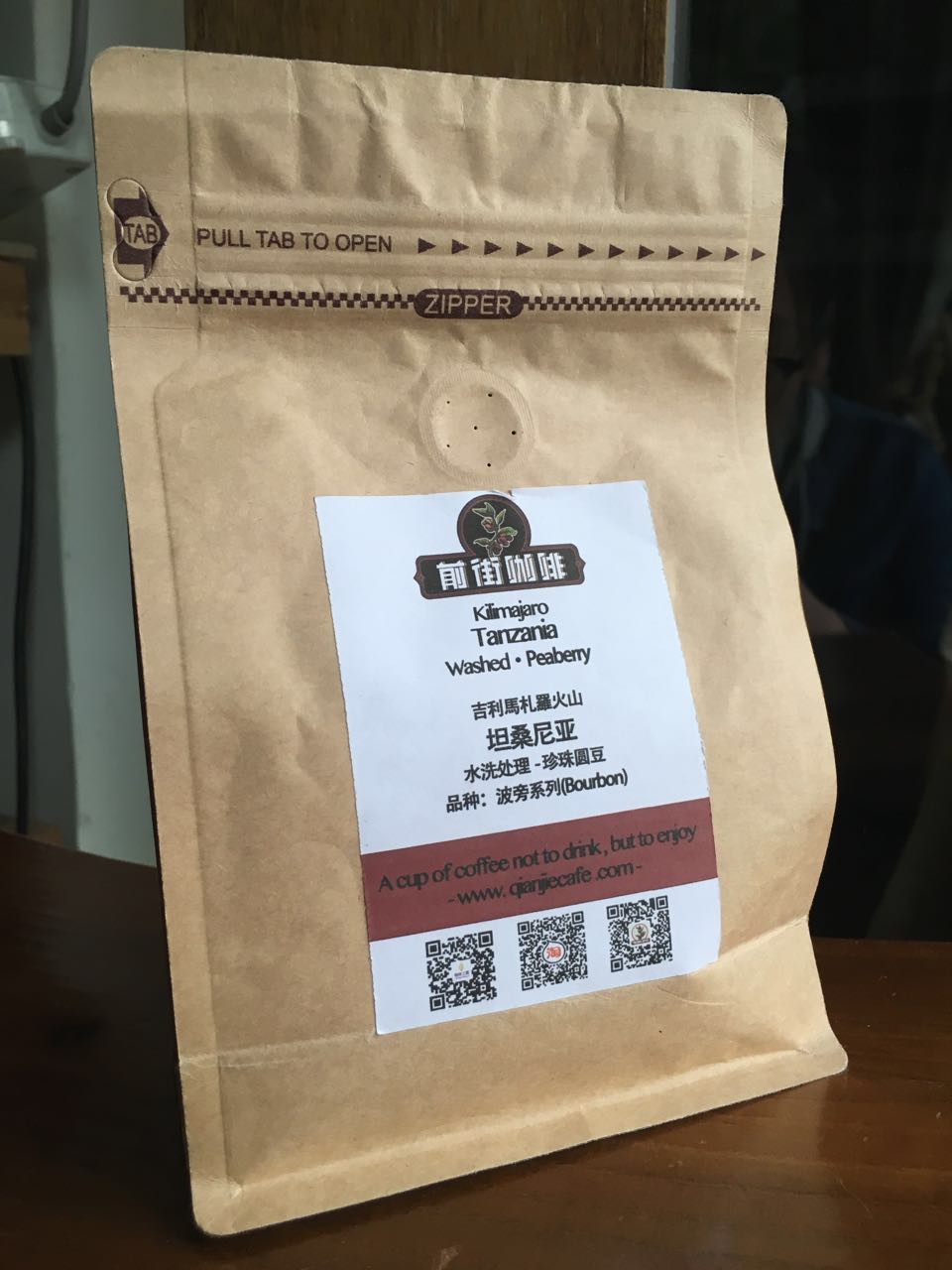
What Makes Kenyan Coffee So Special?
Kenyan coffee is prized for its rich aroma, balanced acidity, and vibrant fruitiness—traits shaped by altitude, SL varietals, and meticulous processing.
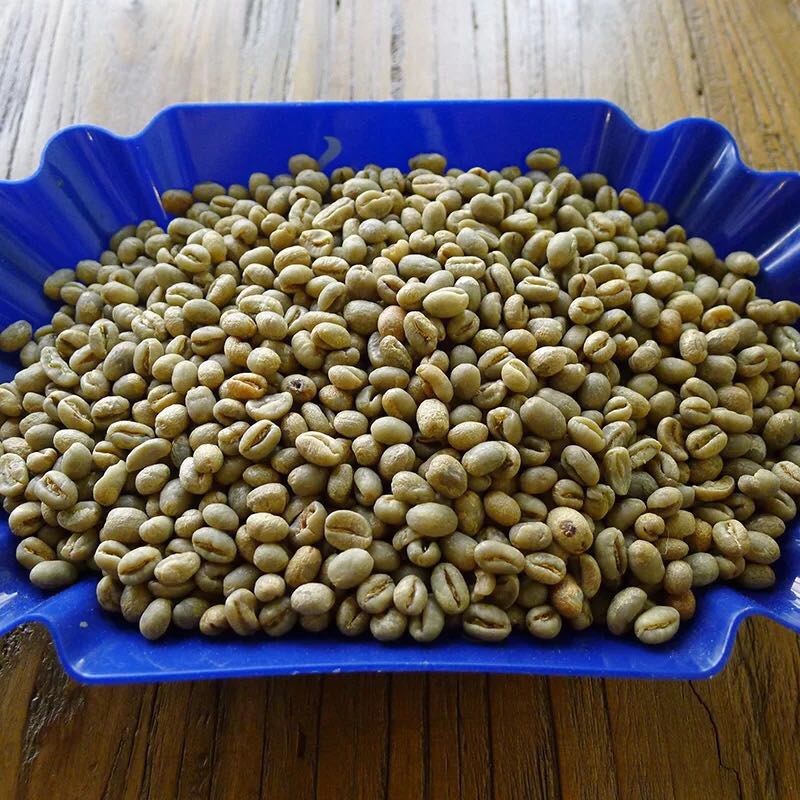
What Makes Kenyan Coffee So Special?
Kenyan coffee is prized for its vibrant acidity, rich fruit flavors, and meticulous production. Learn why it’s a favorite among specialty roasters.
Kenya Coffee Origins and Processing Methods Explained
Learn why Kenya produces some of the world’s most vibrant coffees, from its high-altitude farms to its unique SL varieties and double-washed process.

What Makes Kenyan Coffee So Special?
Kenyan coffee is prized for its vibrant acidity, rich fruitiness, and complex aromas, grown at high altitudes and processed with precision.
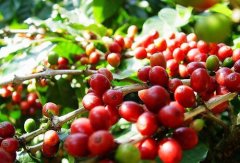
How Natural Disasters Shaped Guadeloupe’s Coffee History
Once a major coffee producer, Guadeloupe now grows coffee on just 150 hectares due to hurricanes, economic shifts, and policy changes.
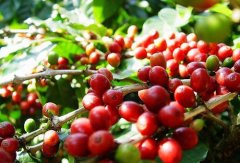
Why Salvadoran Coffee Is Mild and Balanced
Salvadoran coffee is known for its balanced, mild flavor with 40% of exports graded as Strictly Hard Bean. Learn why it stands out.
Full-Bodied, Sweet Coffee from the Dominican Republic
Discover the bright, clean profile of Dominican Republic coffee, especially from the washed Barahona, Juncalito, and Ocoa regions.
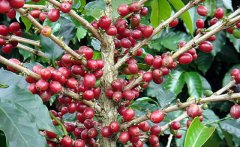
What Is the Best Coffee in Cuba? Turquino & Extra Turquino Explained
The finest Cuban coffee is Turquino or Extra Turquino — a premium grade, not a region, similar to Jamaica’s Blue Mountain. Mild, balanced, grown at lower altitudes.

Ethiopian Coffee Flavors: Jasmine, Citrus, Honey, Black Tea
Explore Ethiopian coffee’s unique floral, citrus, and honey notes, grown at high altitudes with wild and cultivated varieties.

How Ethiopia Washes Its Specialty Coffee Beans
Learn how Ethiopia processes its high-quality specialty coffee using the washed method, with details on altitude, varieties, and unique flavors.

Ethiopian Coffee Origins and Estate-Grown Beans
Explore Ethiopia’s role as coffee’s birthplace, its wild-growing varieties, and unique estate-grown coffees like Yirgacheffe and Sidamo.
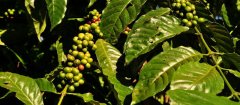
Costa Rican Coffee: Hard Bean, High Acidity, Bold Aroma
Learn why Costa Rican high-altitude coffee earns 'SHB' status, with bright acidity, dense beans, and complex fruit flavors.

Ethiopian Coffee Origins: Regions, Varieties, and Flavors
Explore Ethiopia’s key coffee-growing regions, wild varieties, and unique processing traditions that shape its iconic cup profiles.

Where Ethiopian Coffee Comes From and How It’s Made
Discover Ethiopia’s role as the birthplace of coffee, its wild-growing varieties, key regions like Yirgacheffe and Sidamo, and how to roast and brew its unique beans.

What Makes Ethiopian Coffee Unique? Specialty Bean Guide
Explore Ethiopia’s role as coffee’s birthplace, its wild-growing trees, and why its high-altitude beans deliver floral, citrusy, and wine-like notes.
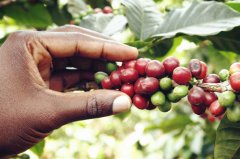
Why Panama Highlands Coffee Tastes So Distinctive
High-altitude Panama coffee is known for its bright acidity, light body, and unique flavor. Most premium beans go to France and Finland.

Why Colombia Roasts Medium-Dark for Specialty Coffee
Colombia’s signature medium-dark roast brings out balance and body in high-altitude Arabica, balancing sweetness, acidity, and crema potential.