
Coffee Farm
Latest articles, industry insights and brewing guides

Honey vs Washed Process: What Makes Panamanian Coffee Unique
Learn how Panama’s highland microclimates and honey or washed processing create its distinctive, high-scoring specialty coffees.

Panama Coffee Flavors: White Grape, Caramel, Honey, Black Tea
Discover the unique microclimates of Panama’s highlands that produce coffee with white grape, caramel, honey, and black tea notes.

Why Panama Grows World-Class Specialty Coffee
Panama’s high-altitude microclimates and rich volcanic soils produce uniquely vibrant specialty coffees, especially around Boquete and Volcán-Candela.

What Makes Panamanian Coffee Unique?
Panama’s high-altitude microclimates and rich volcanic soils produce some of the world’s most distinctive specialty coffees.

What Makes Panamanian Coffee Unique?
Discover how Panama’s high-altitude microclimates and volcanic soils create some of the world’s most distinctive single-origin coffees.

What Makes Jamaica Blue Mountain Coffee So Special
Learn why Jamaica Blue Mountain is among the world’s most expensive and sought-after coffees, from its strict origin rules to its balanced profile.

What Makes Jamaican Blue Mountain Coffee So Special?
Learn why Jamaican Blue Mountain coffee commands premium prices, from its limited production to strict certification and unique growing conditions.
What Makes Jamaica Blue Mountain Coffee So Special?
Learn why Jamaica Blue Mountain coffee is rare, expensive, and uniquely balanced—with details on its true origin, flavor, and proper brewing.
How Honduras Processes Its Washed Specialty Coffee
Honduras produces high-quality washed Arabica using elevation-specific methods, with balanced flavor and wide brewing versatility.
Honduras Coffee Flavor: Clean, Nutty, Milk Chocolate Notes
Honduras produces balanced specialty coffee with notes of roasted nuts and milk chocolate, despite political instability.
What Makes Honduran Coffee Unique in Central America?
Honduran coffee is balanced, often floral or fruity, with moderate acidity. It’s widely grown at high altitudes and exported mainly to the US and Germany.
Why Peru Coffee Is Ideal for Blending
Peru grows balanced, high-quality Arabica beans ideal for blends, with 98% produced in forest regions by smallholders.
Where Does Honduras Coffee Come From and How Is It Made?
Honduras produces high-quality, balanced coffee with mild acidity and fruity or floral notes. Learn its origins, flavor profile, and brewing versatility.

What Makes Honduran Coffee Unique?
Honduran coffee is balanced, medium-acidic, and versatile—often used in blends or as a single origin. Grown at high altitudes, it offers floral, fruity, and nutty notes.

Guatemala La Ditta Estate: Specialty Hard Bean Coffee
Discover Guatemala’s high-altitude hard bean coffee with balanced flavor, spicy complexity, and a resurgence in global quality reputation.
Fraijanes, Guatemala: What Makes Its Hard Bean Coffee Special?
Fraijanes, near Guatemala City, grows dense hard beans with balanced flavor and rich body. Learn why this zone is regaining its fine coffee reputation.

How Washed Process Works for Guatemalan Specialty Coffee
Discover how Guatemala’s washed coffee method preserves bright acidity and clean flavors. Learn the steps and why it’s key to the country’s premium beans.
Guatemalan Specialty Coffee with Black Tea, Floral, and Caramel Notes
Explore why Guatemalan coffee offers bold black tea-like tones, rich florals, and deep caramel notes — plus its unique growing challenges.
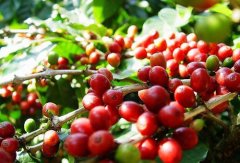
Colombia: The World’s Top Producer of Specialty Coffee
Colombia is the second-largest coffee producer globally, known for high-quality washed Arabica beans grown across diverse mountain microclimates.
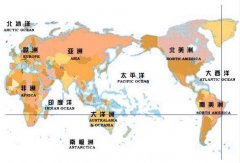
Ecuador’s Coffee: Possibly the Highest-Grown Arabica in the World
Ecuador may grow coffee at the highest altitudes in the world. Its best lots, especially from the Chanchamgo Valley, are balanced, aromatic, and harvested around early June.