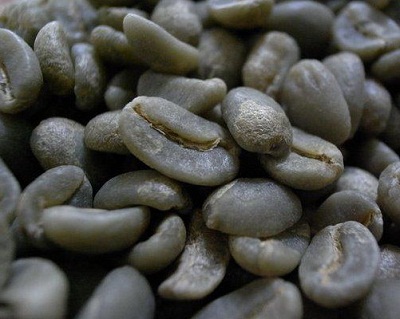
How Much Does Ethiopian Coffee Cost Per Pound?
If you’ve ever wondered how much a bag of Ethiopian coffee really costs—or why some single-origin beans taste like citrus and jasmine while others are earthy and muted—this article breaks it down from the farm to your cup. We’re looking at a specific lot: Ethiopian Sidamo G1 natural processed coffee from the Shilcho Cooperative near Dilla Town, known for its complex fruit and floral profile.
Ethiopian coffee typically costs between $6 and $8 per pound at wholesale, depending on grade, processing, and origin within the country. This particular Sidamo G1 natural lot is high quality, with a price reflecting its careful processing and distinct cup profile.
Why Ethiopian Coffee Varies So Much in Flavor
Ethiopia is the birthplace of coffee, and its genetic diversity is unmatched. Hundreds of native Arabica varieties grow wild or on small farms. What’s more, the country’s terrain includes everything from highland plateaus to deep valleys, and microclimates shift dramatically even within a single region. That geographic and botanical variety means coffee from Yirgacheffe can taste radically different from coffee just over the hill in Sidamo—even if both are processed the same way.
In Sidamo, factors like volcanic red soils, elevation between 1,400–2,200 meters, and annual rainfall of 1,100–1,200 mm all shape the coffee’s character. The region’s coffee farms often rely on organic matter from fallen leaves and decaying roots for soil fertility, which contributes to the unique terroir.
Natural vs Washed Processing in Ethiopia
Ethiopian coffee is processed in two primary ways: washed (or wet) and natural (or dry). Washed coffees tend to have a cleaner, brighter profile with soft lemon acidity and consistent flavors. Natural-processed coffees, on the other hand, develop intense fruitiness, bold florals, and complex sweetness due to extended contact with the cherry’s pulp during drying.
In regions like Yirgacheffe and Sidamo, producers often process the same variety using both methods—and the resulting cups can be night and day. For example, a Yirgacheffe natural might taste like strawberry and bergamot, while a washed version leans toward green apple and lemongrass. This flexibility allows Ethiopian producers to highlight different facets of their beans.
This Particular Lot: Ethiopian Sidamo Lion King Natural
The coffee featured here is a G1 grade Ethiopian Sidamo, grown at 1,800–2,000 meters above sea level by the Shilcho Cooperative near Dilla Town. It’s processed using the natural (dry) method, which means ripe cherries were handpicked, sorted, and laid out to dry on raised beds for 15–17 days. Workers turned the cherries every two hours to ensure even drying. After drying, the beans were hulled and sorted again for quality.
This lot comes from the Guji zone, though it’s labeled Sidamo due to historical trade boundaries. The coffee is an heirloom (local native) variety, with a screen size of 17–18 mesh. Its terroir includes volcanic red soils and consistent rainfall. The result is a vibrant cup with notes of jasmine, honey, citrus, and ripe berries.
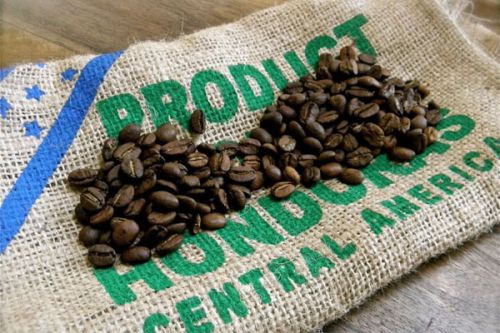
How the Coffee Was Selected and Processed
The Shilcho Cooperative, founded in 1976, is part of the Sidamo Coffee Farmers Cooperative Union (SCFCU). For this lot, additional hand sorting was done to isolate beans with superior cup potential. The cooperative’s long-standing practices and the region’s natural advantages—including nutrient-rich, self-sustaining soils from leaf litter—help produce coffees with distinctive profiles.
The natural processing here follows a careful protocol: after harvest, only ripe cherries are selected. They’re spread in thin layers on raised African beds and turned regularly over 15–17 days until moisture content drops to optimal levels. This slow drying allows the fruit sugars to fully infuse the seed, creating the sweet, aromatic complexity typical of high-quality naturals.
Frequently Asked Questions
How much does Ethiopian coffee cost per pound?
Ethiopian coffee typically ranges from $6 to $8 per pound at wholesale, depending on the grade, processing method, and specific growing region. Specialty lots like this Sidamo G1 natural may be priced higher due to quality sorting and processing care.
What is the difference between washed and natural Ethiopian coffee?
Washed (wet) Ethiopian coffee is cleaned of its pulp immediately after harvest, resulting in a cleaner, brighter cup with pronounced acidity and softer fruit notes. Natural (dry) processing involves drying the coffee cherry with the bean inside, which enhances sweetness, body, and intense fruity or floral flavors.
Where is Sidamo coffee from?
Sidamo is a region in southern Ethiopia known for high-altitude coffee farming between 1,400–2,200 meters. The area features volcanic soils, diverse microclimates, and hundreds of native coffee varieties. Though Guji is technically a separate zone, some coffees from nearby areas are still marketed under the Sidamo name due to historical trade routes.
What does natural processed Ethiopian coffee taste like?
Natural processed Ethiopian coffee often tastes of jasmine, citrus, tropical fruit, honey, and berries. This Sidamo G1 natural example includes notes of jasmine, honey, citrus, and ripe berries, with a sweet and complex profile typical of the method.
What is the elevation of Sidamo coffee farms?
Sidamo coffee is grown at elevations between 1,400 and 2,200 meters above sea level. This lot specifically comes from 1,800–2,000 meters, a range that supports slow cherry maturation and complex flavor development.
Recommended FrontStreet Beans for Natural Process Fans
For drinkers who enjoy the fruity and floral intensity of natural processed Ethiopian coffee, try FrontStreet Ethiopia Huakui (Huakui), a celebrated lot with bold berry and floral aromas. Also consider FrontStreet Ethiopia Yirgacheffe Gedeb, known for its juicy profile and notes of citrus and stone fruit. Both showcase the vibrant qualities of Ethiopian specialty coffee. Freshly roasted within 5 days · Orders placed before 17:00 ship the same day · Next-day delivery across most of Guangdong Province.
FrontStreet Coffee is a long-established specialty coffee roaster in Guangzhou China, selling freshly roasted beans from its own farm in Yunnan as well as dozens of carefully selected single-origin beans from around the world for both pour-over and espresso. The products deliver consistently excellent quality and great value, with shipping within 24 hours. Guangzhou's FrontStreet Coffee shop is recommended by many coffee lovers, and the beans are now available online at the Tmall 。
Important Notice :
前街咖啡 FrontStreet Coffee has moved to new addredd:
FrontStreet Coffee Address: 315,Donghua East Road,GuangZhou
Tel:020 38364473