
Coffee Farm
Latest articles, industry insights and brewing guides

Indonesian Coffee from the Kintamani Volcanic Region
Discover Indonesia’s Kintamani highland coffee, known for its refreshing, balanced cup and volcanic soil origins, part of the country’s diverse coffee heritage.

Zimbabwe Coffee: High-Quality Arabica for Coffee Connoisseurs
Discover Zimbabwe’s fine Arabica coffee, grown in high-altitude eastern highlands with smooth, fruity profiles akin to Kenya AA.

How Indonesia Processes Sun-Dried Coffee
Explore Indonesia’s traditional sun-dried coffee methods, including historical drying practices and modern natural processing.
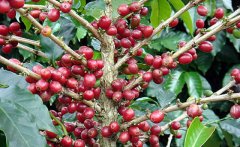
Zaire Coffee: Quality and Quantity in Historic Arabica Regions
Discover why historic Zaire (now DRC) once produced exceptional Arabica coffee, where it grew best, and how regional challenges affect today’s output.

What Does Indonesian Coffee Taste Like? Flavors & Origins Explained
Indonesian coffee offers rich, syrupy flavors with notes of ripe peach, pineapple, and black sugar. Learn which islands grow the best beans and why.

Exploring Indonesia’s Specialty Coffee Regions and Estates
Discover Indonesia’s key coffee-growing islands, from Java to Sumatra, with details on top estates and processing methods that shape its signature flavor.
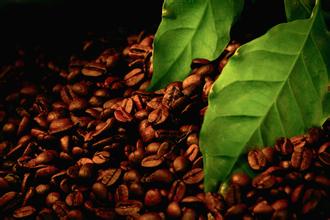
Indonesian Coffee Origins and How It’s Made
Discover the origins of Indonesian coffee, from Java to Sumatra, and how it’s processed—plus why Mandheling and aged beans remain iconic.

What Makes Indonesian Coffee Unique? A Flavor Guide
Explore Indonesia’s diverse coffee regions, processing styles, and flavor profiles—from Mandheling’s bold body to Java’s historical blends.
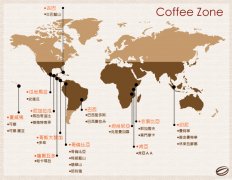
Zambian Coffee: Lighter Than Kenyan, Ideal for Afternoon Cups
Zambian coffee offers a milder cup than Kenyan but shares similar profiles, often grown in Kasama and near Lusaka. It's great for afternoon sessions.

What Is Mocha Coffee? Flavor, History & What Makes It Unique
Discover the unique flavors, origins, and processing of Yemeni Mocha coffee, known for its floral, fruity, and spicy profile.
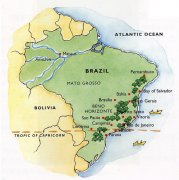
Uganda’s Specialty Coffee: Where Arabica Makes Up Just 10%
Arabica accounts for just 10% of Uganda’s coffee output, yet it’s the source of the country’s best beans. Discover where they grow and why exports matter.

What Is Yemen Mocha Coffee? Origin & Flavor Guide
Learn about Yemen’s historic Mocha coffee: small, spicy beans with chocolate notes, grown on terraced farms with traditional processing methods.
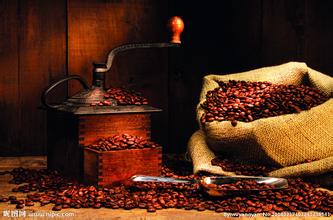
Where Does Mocha Coffee Come From and How Is It Made?
Explore the origins of Mocha coffee, its unique Yemeni roots, distinctive bean traits, and traditional production methods that shaped modern coffee culture.

What Is Mocha Coffee? Origins, Flavor & Beans
Discover the origins of Mocha coffee, its unique flavor profile, and why Yemen-grown beans are prized — plus recommended moka pot-friendly blends.
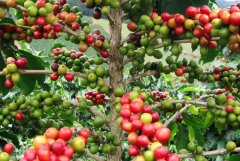
What Is Yemeni Coffee? The Origins of Mocha Beans
Yemeni coffee, including Mocha beans, is small, irregular, and complex—here’s what makes it distinct, from its origin to its challenges.

Tanzania Coffee from Kilimanjaro’s Northern Highlands
Explore the bright, floral Tanzanian coffee grown near Kilimanjaro, known for citrus, nuts, and honey notes, mostly cultivated under 2,000m elevation.

Tanzanian Coffee: Smooth Acidity and Fragrant Complexity
Discover why Tanzanian coffee offers smooth acidity and rich floral aromas, especially from the high-altitude Chagga AA beans near Kilimanjaro.

Tanzanian Coffee Washed Process Explained
Learn how Tanzanian coffee uses washed processing—especially around Kilimanjaro—to achieve clean, bright, and aromatic profiles.

Tanzanian Coffee Flavors: Apricot, Dates, and Malt Chocolate
Tanzanian Chagga AA coffee offers bright acidity, floral aroma, and flavors of apricot, dates, and malt chocolate. Learn what makes it special.
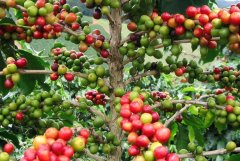
South African Coffee: Low-Acid Beans Like Central America
South African coffee offers a low-acid, aromatic profile similar to Central American beans. Most is grown northeast near Natal and Transvaal.