
Coffee Farm
Latest articles, industry insights and brewing guides

Papua New Guinea Coffee Beans: What Makes Them Unique?
Learn how PNG coffee evolved after Brazil’s 1975 frost, why it’s grown at high altitudes, and what defines its A and AB grade profiles.
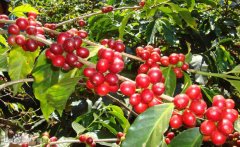
Where Does Honduras Coffee Go? Export & Market Facts
Most Honduran coffee is exported by independent shippers, with the U.S. and Germany as the top destinations.

What Makes Honduran Coffee Unique?
Honduras grows high-acidity, high-quality arabica beans. Best enjoyed medium to dark roasted, either as single origin or in blends.

Honduras Coffee Flavor & Price Guide: Himalaya Estate Red Bourbon
Explore Honduras coffee grades, production history, and the flavors of Himalaya Estate’s Red Bourbon, a semi-washed SHB grade coffee.

Peru Coffee Market: Quality, Prices, and Varieties
Learn how Peru’s coffee market is evolving with better quality standards, shifting farmer incentives, and global export routes.

Peru Coffee Flavor Profile and Roast Guide
Learn why Peru coffee offers balanced flavor and bright acidity, and how medium to dark roasting unlocks its versatility for blends.

Peru’s Top Coffee Regions & Natural Processing Facts
Learn which Peruvian regions grow the best specialty coffee, why most beans are naturally processed, and how smallholder farms shape the market.

Current Coffee Bean Prices and Market Trends Explained
Learn what drives global green coffee prices, how they fluctuate, and what that means for roasters and home brewers.

Bench Maji Natural Process Ethiopian Coffee Guide
Explore Ethiopia’s Bench Maji Forest coffee: a rare natural-process G3 from high-altitude organic farms, with notes of pineapple, spice, and wine.
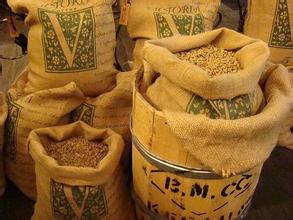
Ethiopia’s Djimmah: Natural Process Coffee from Bench Maji
Djimmah coffee from Ethiopia’s Bench Maji forest is processed naturally at 1500–1700m altitude, offering flavors of pineapple, spice, and wine.
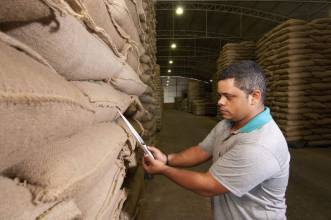
Ethiopia Limu Coffee: Washed, Natural & Honey Process Explained
Explore Ethiopia’s Limu coffee region, its three processing methods, and why its washed beans rank just below Yirgacheffe for Western palates.

Ethiopian Harar Coffee: What Makes It So Wild?
Harar coffee from Ethiopia’s Eastern Highlands grows at 1,500–2,100m altitude and shows intense chocolate, floral, and winey notes thanks to traditional natural processing.

Ethiopian Sidamo Coffee: Washed vs Natural Process
Explore Ethiopian Sidamo coffee from Guji, processed via washed and natural methods, with floral, citrus, and berry notes at 1800–2000m altitude.

Best Indonesian Coffee Beans and How to Brew Them
Explore top Indonesian coffees like Mandheling, Kalossi, Flores AP, and Java, with brewing insights for each origin’s unique profile.

Indonesian Coffee Bean Varieties Explained
Learn the differences between Arabica, Robusta, Liberica, and Indonesia’s Mandheling, along with popular coffee types like Blue Mountain and Mocha.
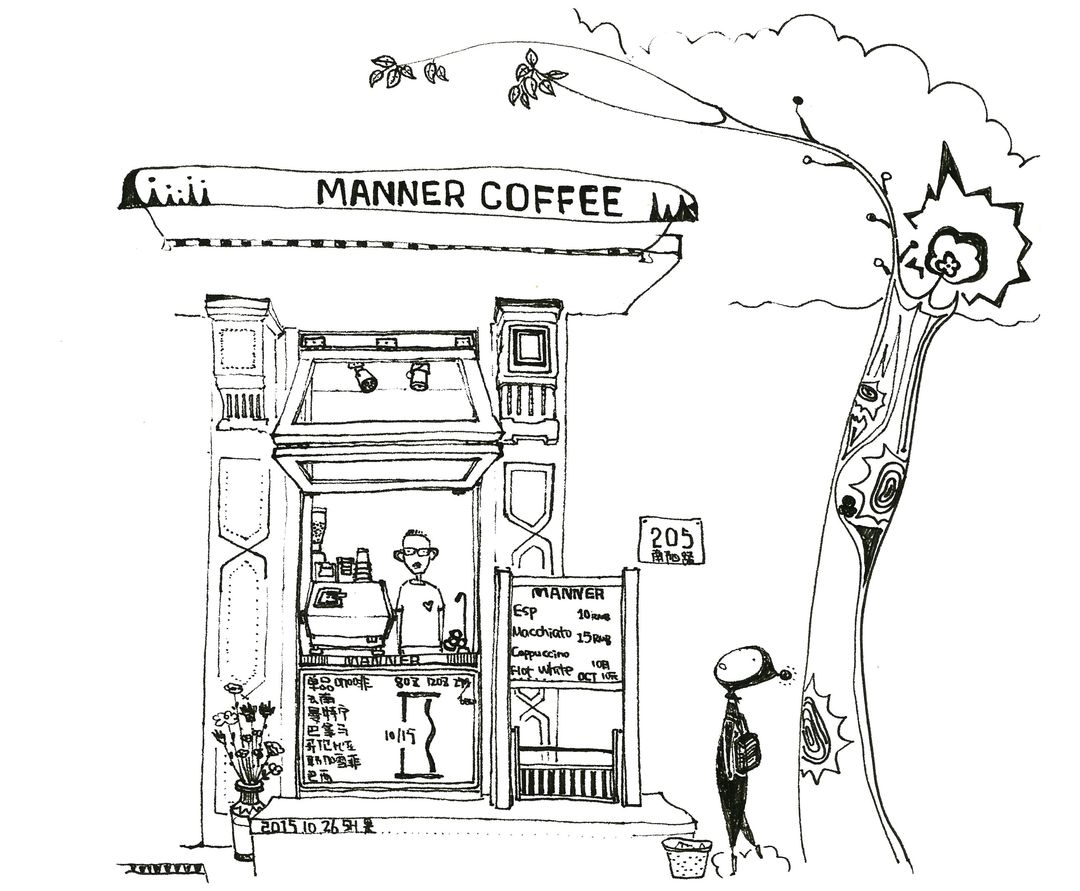
Shanghai's 2-Square-Meter MannerCafé Pushes Window Store Model
A 2-square-meter coffee window in Shanghai sells high-quality espresso and pour-overs for just ¥15, proving tiny shops can thrive in dense urban markets.

Ninety Plus LevelUp Nistu Ruz Coffee Review
Explore the unique Ethiopian Nistu Ruz from Ninety Plus LevelUp, a water-processed coffee with notes of citrus, tea, and tropical fruit.

Why Choose Estate-Grown Coffee Beans?
Explore why estate-grown coffee like Panama’s Carmen Estate offers unique quality through single-origin farming, specific altitude, and meticulous processing.

Why Choose Estate-Grown Coffee Beans?
Estate-grown coffee offers traceability and unique terroir. Learn why beans from specific Panamanian farms deliver distinctive flavors.

Three Types of Coffee Plantations: Sun, Full Shade, and Half Shade
Learn how sun, full shade, and half shade planting affect coffee flavor, yield, and ripening time—with key figures from Panama estates.