
Coffee Farm
Latest articles, industry insights and brewing guides
How Bali’s Specialty Coffee Scene Is Changing
On Bali, a group of Q Graders opened the island’s first specialty café to elevate local coffee beyond cheap commercial grades.

Guatemalan Antigua Coffee: Flavor, Brewing & History
Explore the volcanic soil, bold acidity, and smoky complexity of Guatemala Antigua coffee. Learn how origin, roast, and grind shape its unique profile.
Guatemala Antigua Coffee and Its Volcanic Origins
Discover how Guatemala’s volcanic soil shapes the bright, spicy, smoky profile of Antigua coffee, a classic single-origin bean with lasting balance.
Guatemala Antigua Coffee Beans: Flavor, Story & Legend
Learn what makes Antigua coffee unique: rich aromas, grape-like tropical acidity, and a full-bodied mouthfeel rooted in Guatemalan terroir.
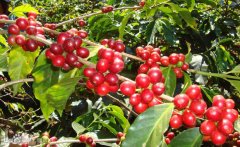
Nicaraguan Honey Process Coffee: What Makes It Different?
Explore how Jaime Molina Estate in Nicaragua crafts a balanced honey-processed coffee with red bourbon, offering chocolate, fruit, and juicy sweetness.
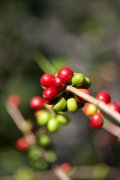
Colombian Coffee: Origins, Regions, and Flavour Profile
Learn how Colombian coffee became a global specialty staple, its key regions like MAM, and why it’s prized for balance and sweetness.
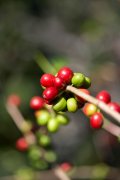
How Unique Terrain Shapes Boquete Coffee Flavors
Learn how elevation, forest cover, and climate create Panama’s standout Boquete coffee terroir — and why this micro-lot dominates cupping tables.
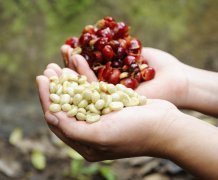
Which Country Makes the Best Coffee? Kenya AA Explained
Kenya produces some of the world’s best specialty coffee, especially its AA-grade beans grown at high altitudes with vibrant fruit flavors.
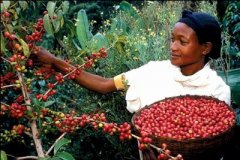
Kenya Nyeri Gatugi Washed AA: Cranberry & Nut Flavors
This Kenya Nyeri Gatugi washed AA coffee offers bright cranberry, citrus, and nut flavors with a crisp, clean profile.

Kenyan Coffee Flavors: What Makes SL28 and SL34 Unique?
Kenyan coffees like SL28 and SL34 deliver intense fruit acidity, rich sweetness, and complex flavors. Learn what makes these high-altitude varieties stand out.
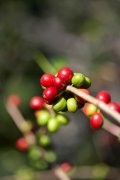
Kenyan Coffee Acidity and How to Brew It Right
Learn why Kenyan coffee has intense berry acidity, where it comes from, and how to dial in the right grind and settings for the best cup.
Honduras Coffee: Quality from a Turbulent Nation
Honduras produces balanced, high-quality coffee despite political instability. Learn why its mild acidity and broad appeal make it a roaster’s favorite.
Low-Acid Honduran Single Origin from San Juan del Sitio
This washed Honduran Bourbon from San Juan del Sitio offers clean, nutty, and milk chocolate flavors at 1450–1550m altitude.

How Honduras Coffee Differs by Growing Region
Honduran coffee varies in flavor based on altitude and region. Medium roast highlights sweetness, while dark roast boosts bitterness without losing sweetness.
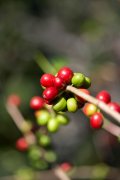
Honduran Coffee Beans: What Makes Them Special?
Honduras produces high-quality washed Arabica, mainly grown at 1,000–2,000m altitude, with balanced flavor and wide brewing versatility.
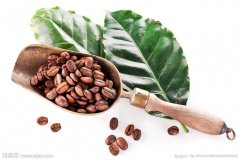
Rwanda Coffee Market: What Makes It Stand Out?
Rwanda’s washed Arabica beans are highly regarded, known for soft yet intense flavors. Learn why its coffee is gaining global recognition.
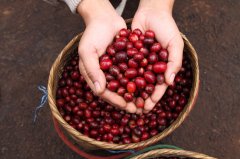
What Makes Rwandan Coffee Unique? Flavor, Fermentation & Processing
Explore the bright, fruity, and clean profile of Rwandan coffee, shaped by Bourbon varieties, high-altitude growing, and traditional washed processing.
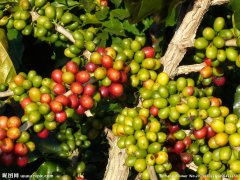
Rwanda’s Coffee Growing Regions Explained
Rwanda’s high-altitude volcanic soils and cool climate produce distinctive Bourbon-based Arabica with bright acidity. Here’s what makes its coffee unique.
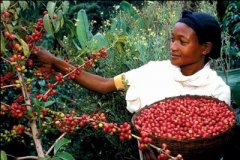
Rwandan Coffee: Washed Process from Western Province
Rwandan coffee thrives in volcanic soil and cool high altitudes, with 20% of production being premium beans. This washed coffee from the Muxiuyi factory highlights the country’s bright, clean cup profile.
How Ethiopia Profiles Coffee Processing for Unique Fruit Flavors
Ethiopia tailors coffee processing to highlight fruit flavors, using a Profile Processing system and Ninety Plus’ unique flavor grading.