Nicaraguan Honey Process Coffee: What Makes It Different?
If you’ve ever sipped a coffee that tastes like a mix of dark chocolate and ripe berries—with a syrupy mouthfeel and no harsh bitterness—you’ve likely had a honey-processed bean. But what exactly is honey processing, and why does it create such distinct flavors? This article breaks down how one Nicaraguan farm turns red bourbon cherries into a balanced, juicy cup using this method.
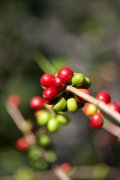
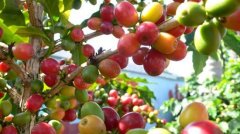
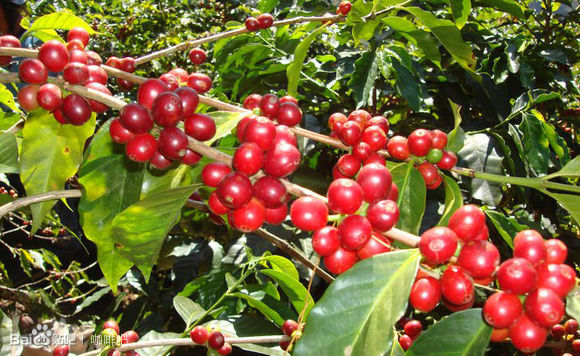
The Jaime Molina Estate in Nicaragua produces a honey-processed coffee using red bourbon at 1400–1450m altitude, harvested between December and March. The result? A medium-bodied cup with notes of chocolate, red fruit, and a juicy texture—all driven by the honey process.
What Is Honey Processing?
Honey processing—also called pulped natural—is a coffee method where the skin and pulp are removed, but most or all of the sticky mucilage (or “honey”) is left on the beans during drying. Unlike washed coffee, which removes all fruit residue, or natural process, which dries the whole cherry, honey processing strikes a balance: it speeds up drying compared to natural, yet enhances sweetness and body like a semi-dry method.
This style originated as a variation on Brazil’s half-washed (or ‘pulped natural’) technique. Costa Rica later refined it by controlling how much mucilage remains and adjusting drying times and techniques—giving rise to the now-common categories: black, red, yellow, and white honey, ranked by how much mucilage is kept.
The Jaime Molina Estate Approach
The Jaime Molina Estate, owned by Montecristo and managed at the Jaime Jose Molina Fiallos processing facility, sits in La Sabana, Madriz, Nicaragua. At 1400–1450m above sea level, this high-altitude environment is ideal for slow cherry development and complex sugar accumulation. The farm focuses on red bourbon, a classic cultivar known for its balanced profile and potential for sweetness when processed carefully.
Coffee is harvested between December and March. After picking, the cherries are depulped—the outer skin and fruit flesh are removed—but the mucilage is intentionally left intact. This sticky layer is what gives “honey process” its name, though no actual honey is involved. The beans are then dried on patios or raised beds under controlled conditions to concentrate flavors while avoiding over-fermentation.
Flavor Profile: What You Taste
The honey process shines in the cup. For this particular lot, the result is a medium-bodied coffee with a notable chocolate base, layered with red fruit notes—think raspberry or cherry—and a distinct juiciness. There’s no astringency, just a smooth, sweet finish that highlights the bourbon variety’s strengths. The balance between acidity and body makes it versatile for filter or espresso brewing.
This flavor spectrum is no accident. The retained mucilage during drying feeds the Maillard reactions and sugar development that translate into those chocolate and fruit tones. The altitude and slow maturation of the red bourbon cherries add structure and depth.
Why Process Matters: Beyond Origin
Many coffee drinkers focus first on country or region, but processing can dramatically shift a coffee’s flavor profile—even more than roast level in some cases. Honey processing is a prime example: it can turn a solid bean into something memorable by boosting sweetness, softening acidity, and adding body. That’s why understanding the process helps you select beans that match your taste preferences.
Compared to a fully washed coffee from the same farm, this honey-processed red bourbon offers more pronounced fruit and a rounder mouthfeel. Compared to a natural process, it avoids heavy fermentation notes and delivers cleaner acidity. That middle path is what makes honey processing especially appealing to specialty roasters and home brewers alike.
Frequently Asked Questions
What is honey process coffee exactly?
Honey process coffee is a method where the coffee cherry's skin and pulp are removed, but the sticky mucilage is left on the beans during drying. This mucilage is sweet and influences the coffee’s flavor, creating a cup with more sweetness and body than washed coffee but without the fermentation risks of the natural process.
Where is the Jaime Molina coffee farm located?
The Jaime Molina coffee farm is located in La Sabana, Madriz, Nicaragua, at an altitude of 1400–1450 meters. The estate is managed by Montecristo and processes coffee at the Jaime Jose Molina Fiallos facility.
What coffee variety is used in this honey process lot?
This lot is made with red bourbon coffee beans, a classic arabica variety known for its balanced cup profile and ability to develop sweetness and complexity under careful processing and high-altitude growing conditions.
How does honey processing affect coffee flavor?
Honey processing typically results in coffee with enhanced sweetness, deeper body, and notes of fruit and chocolate. Because the mucilage remains on the beans during drying, it contributes to more intense and rounded flavors compared to washed processing.
When is the harvest season for this coffee?
The harvest season for coffee at the Jaime Molina Estate is from December to March. This timing ensures the cherries are picked at optimal ripeness for processing.
What’s the difference between red, black, and yellow honey process?
The terms refer to how much mucilage is left on the beans during drying. Black honey retains the most mucilage and requires longer drying, red honey uses a moderate amount, and yellow honey has the least, resulting in lighter-bodied and brighter coffees.
Recommended FrontStreet Beans for Honey Process Fans
For lovers of honey-processed coffee, try FrontStreet Coffee’s Strawberry Candy Espresso—a blend highlighting Geisha and Costa Rican beans with grape, blueberry, and floral notes. Also consider their Black Cocoa Blend, inspired by Brazilian pulped natural techniques, offering roasted peanut, chocolate, and nuttiness. These beans showcase the sweetness and body typical of honey and pulped natural methods. Freshly roasted within 5 days · Orders placed before 17:00 ship the same day · Next-day delivery across most of Guangdong Province.
FrontStreet Coffee is a long-established specialty coffee roaster in Guangzhou China, selling freshly roasted beans from its own farm in Yunnan as well as dozens of carefully selected single-origin beans from around the world for both pour-over and espresso. The products deliver consistently excellent quality and great value, with shipping within 24 hours. Guangzhou's FrontStreet Coffee shop is recommended by many coffee lovers, and the beans are now available online at the Tmall 。
Important Notice :
前街咖啡 FrontStreet Coffee has moved to new addredd:
FrontStreet Coffee Address: 315,Donghua East Road,GuangZhou
Tel:020 38364473