
Coffee Knowledge
Latest articles, industry insights and brewing guides
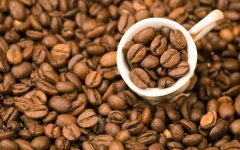
What Makes Americano Coffee Unique?
Americano coffee is diluted espresso with hot water. Its strength, roast, and flavor vary widely—especially across U.S. regions—and it's brewed simply but flexibly.

What Makes White Coffee Different From Regular Coffee
White coffee is low in bitterness and acidity, roasted at lower temperatures without additives. It’s smoother, less harsh, and easier on the stomach.
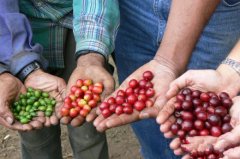
The History and Origins of Malaysian White Coffee
Learn how Malaysian white coffee evolved, why it’s lighter in color and flavor, and how it differs from regular coffee through unique roasting and processing.

How Traditional Malaysian White Coffee Is Made
Learn how traditional Malaysian white coffee is crafted through low-temperature roasting and special blending for a smoother, less bitter cup.

What Are the Benefits of Drinking White Coffee?
White coffee offers skin benefits, helps detox, fights fatigue, reduces gallstones risk, and may protect against radiation. Here’s what science says.

What Are the Health Benefits of White Coffee?
Discover ten evidence-backed effects of white coffee, from boosting focus to aiding weight loss and improving circulation.
Why White Coffee Is Easier on Your Stomach and Health
White coffee offers lower acidity, fewer bitter compounds, and reduced caffeine—making it gentler on digestion while retaining smooth flavor. Here’s what makes it different.

Café au Lait: Origins and Characteristics of French-Style Coffee
Discover the history, unique preparation, and flavor profile of Café au Lait — France’s beloved coffee with steamed milk, distinct from other lattes.

How to Make French-style Iced Coffee (Olé Iced Coffee)
Learn how to make authentic French-style iced coffee (Olé Iced Coffee) using Italian-style espresso, sugar, ice, and milk — step-by-step.

Café au Lait vs Latte: What Makes French-Style Milk Coffee Different?
Café au lait is half brewed coffee and half hot milk, using a French-style roast—here’s how it differs from Italian latte in ratio, roast, and flavor.

What Is Espresso? The Italian Coffee Basics Explained
Espresso is the bold, concentrated coffee base for lattes and cappuccinos. Learn its true caffeine level, key traits, and what makes great crema.

How to Make Espresso and Why It’s Called Espresso
Learn the standard espresso brewing method—7g coffee, 40–65ml water, 9 bars pressure—and why it’s named 'espresso' for its quick, concentrated extraction.
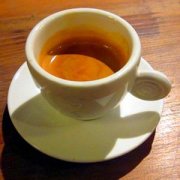
Why Espresso Making Is Like a Musical Art
Espresso is both science and craft. Learn how crema, roast style, and barista skill shape the flavor of a perfect ristretto shot.

What Does Espresso Really Mean? Specialty Coffee Basics
Learn the true meaning and craft behind espresso, from its Italian roots to the techniques that define great extraction.

What Factors Affect Espresso Quality?
Understand how water, beans, equipment, and technique impact your espresso’s flavor, body, and crema — backed by clear variables.

Three Ways to Brew Black Coffee: Methods and Equipment
Discover the three main methods for brewing black coffee — pour-over, siphon, and electric — along with the gear and techniques behind each.

What Defines Black Coffee? The Raw Taste Experience
Black coffee showcases coffee’s five core flavors—aroma, sweetness, body, acidity, and bitterness—offering an unfiltered, pure sensory experience.

11 Health Benefits of Drinking Black Coffee
Black coffee offers more than just a caffeine kick — it aids digestion, boosts metabolism, and may support heart and liver health. Here’s what science and tradition agree on.

How to Choose and Enjoy Black Coffee as a Beginner
Discover how to start drinking black coffee by choosing mild beans, slowing down your sip, and diluting for easier entry.

Is Black Coffee Really Just Bitter?
Learn why black coffee doesn’t have to be bitter or burnt — and how to enjoy its natural fruitiness and acidity the right way.