
Coffee Knowledge
Latest articles, industry insights and brewing guides
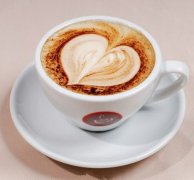
What Is a Macchiato and How Is It Different from Other Milk Coffees?
Learn what a macchiato is, how it’s made, and how it differs from cappuccino and latte. Includes details on caramel macchiato variations.
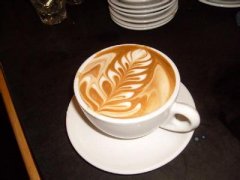
How to Make a Classic Macchiato Coffee with Caramel Art
A step-by-step guide to crafting an authentic Italian macchiato with 100ml espresso, 300ml milk, and caramel drizzle — plus tips on texture and timing.
What Gives Macchiato Its Four Flavors and One Aroma?
Macchiato’s signature color, aroma, and taste come from four core flavors and one defining scent created during coffee roasting. Here’s how.
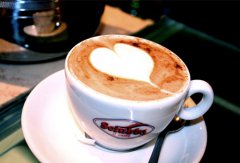
How to Make a Great Latte: Coffee and Milk Ratios, Techniques
Learn the essential ratios, milk choices, and techniques to make a balanced and flavorful latte at home, with exact numbers from FrontStreet Coffee.
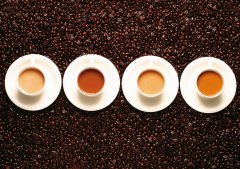
How to Balance Milk and Espresso in a Classic Latte
Learn the ideal milk-to-espresso ratio, bean roast level, and milk temperature for a balanced, sweet, and creamy home latte.
What Does 'Mocha' Mean in Coffee? All You Need to Know
Learn the true meanings behind the word 'Mocha': from Yemeni coffee beans to chocolatey drinks and classic brewing gear.

What Makes Ethiopian Mocha Coffee Unique?
Learn why Ethiopian Mocha coffee stands out: small beans, bright acidity, balanced sweetness, and unique fruit-malty flavors. Ideal for single-origin or blends.
How to Make Iced Mocha Coffee at Home
Learn how to make a classic iced mocha with chocolate sauce, espresso, milk, ice, and a scoop of ice cream. Easy steps, adjustable portions.
What Does Authentic Mocha Coffee Taste Like?
Authentic mocha coffee tastes both sweet and acidic, with chocolatey, boozy, and spicy notes. Here’s what makes it different from flavored mochas.
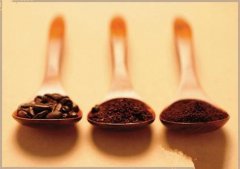
Dry vs Wet Cappuccino: What’s the Difference?
Learn how dry and wet cappuccinos differ in milk foam and taste. Dry has more foam, less milk; wet has more steamed milk, softer flavor.
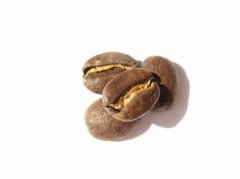
What Is the Real Jamaica Blue Mountain Coffee Today?
Learn why true Blue Mountain coffee is so rare, how much is produced, and why most 'Blue Mountain' coffee isn’t what it seems.
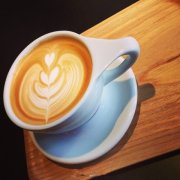
What Is Jamaica Blue Mountain Coffee?
Learn what makes Jamaica Blue Mountain coffee so special, from its climate to its strict quality controls and flavor profile.
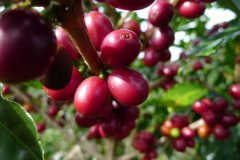
Why Jamaican Blue Mountain Coffee Tastes So Pure
The secret behind Jamaica Blue Mountain’s smooth, balanced flavor lies in strict processing, high elevation, and careful roasting. Here's how it's done.
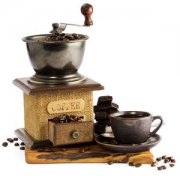
What Makes Jamaica Blue Mountain Coffee Special?
Learn why Blue Mountain coffee is renowned for its balanced flavor, low acidity, and rarity—with unique traits no other region can replicate.

What’s Actually in Your Coffee? Beyond Caffeine
Coffee contains far more than caffeine. Discover the key chemical compounds—tannins, fats, sugars, and more—that shape flavor, aroma, and effects.
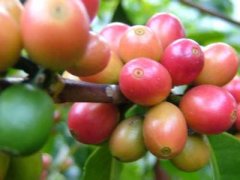
Why Japan Controls Most Blue Mountain Coffee Exports
Despite China consuming 15% of global Jamaica Blue Mountain No.1, only 5% of official exports go there—most shipments reroute via Japan.
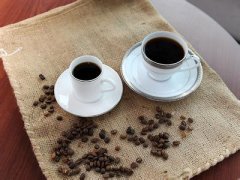
Wallenford Coffee Bean Quality Standards Explained
Wallenford selects only Blue Mountain beans grown above 4,000 feet and enforces an 8-month roast freshness window—here’s what sets them apart.
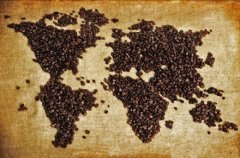
How Jamaica Controls Blue Mountain Coffee Bean Quality
Learn how Jamaica ensures the authenticity and quality of Blue Mountain coffee through official logos, trademarks, and strict export rules.
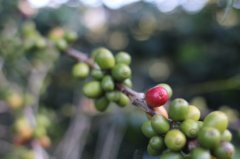
How Wallenford Shaped Jamaica Blue Mountain Coffee History
Discover how Wallenford and Jamaican regulations shaped the legacy of world-renowned Jamaica Blue Mountain coffee from 1728 to today.
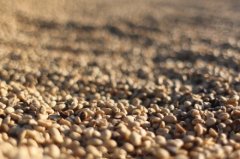
Why Jamaica Blue Mountain Coffee Is So Special
Jamaica Blue Mountain coffee’s elite reputation comes from its limited growing region, strict quality controls, and ideal high-elevation conditions.