
Coffee Knowledge
Latest articles, industry insights and brewing guides

How to Make a Layered Iced Latte with Clear Black-and-White Contrast
Learn how to layer iced latte coffee and milk using sugar and density differences for a two-tone cocktail-like visual effect.

Green Tea Coffee: Japan’s East-Meets-West Brew
Discover how Japanese coffee culture blends the delicate taste of green tea with bold espresso-like coffee for a unique brew experience.

Royal Coffee: Napoleon’s Bold Brandy-Flamed Drink
Royal Coffee combines cognac, flambéed sugar, and espresso for a dramatic, bittersweet drink invented by Napoleon. Here’s how to make it.

What Is Mocha Coffee and How to Make It
Mocha coffee blends espresso, steamed milk, and chocolate for a rich, sweet drink. Learn how it’s made and what beans work best.

What Makes Irish Coffee Intoxicating? The Whiskey Truth
Irish coffee contains whiskey, which can make you tipsy. Learn how much alcohol is in it and why it tastes sweeter with whiskey.

How to Make Authentic French Milk Coffee: The 1:1 Ratio
French milk coffee uses a 1:1 coffee-to-milk ratio and is poured from both sides of the cup. Here’s how the classic French breakfast brew is made.

Why French Milk Coffee Tastes So Milky
French milk coffee uses a 1:1 coffee-to-milk ratio and is poured from both sides of the cup. Here’s how it gets its signature creamy balance.

How to Make an Italian Espresso with Cream: Con Panna & Macchiato
Learn how to make Italy’s classic espresso drinks: con panna (with cream) and macchiato (with milk foam). Simple steps, no milk—just espresso and texture.

Cappuccino and Latte: Origins and Brewing Methods
Learn where cappuccino and latte got their names and how to brew them with the classic 1:2:1 milk ratio and proper espresso foundation.

How to Make Classic Italian Coffee with a Moka Pot
Italian coffee is typically brewed at home using a moka pot, creating a rich, bold shot with thick crema from pressurized steam extraction.

Cappuccino vs Latte: What Actually Sets Them Apart
Cappuccinos have more foam and a stronger coffee flavor, while lattes have less foam and a milk-forward taste. Here’s the exact breakdown.

Why Americans Drink Coffee So Freely
Americans consume a third of the world’s coffee—learn how their laid-back, unregulated coffee habits shape global tastes.

Singapore-Style Hand-Pulled Coffee in Guangzhou
Discover how Singapore-style hand-pulled coffee brings authenticity and flair to Guangzhou’s Tianhe district, with unique brewing and flavor twists.

Mexican Coffee Tastes Low-Acid, Rich, and Fragrant
Discover the smooth, wine-like flavor of Mexican coffee, known for low acidity, deep body, and floral aroma—plus classic serving methods.

Russian Coffee: A Rich, Egg-Based Winter Drink
Discover how Russians make a hearty, high-calorie coffee with egg yolk, chocolate, vodka, and sugar—perfect for winter warmth.

How Kopi Luwak Coffee Is Made: Traditional Process & Yield
Learn how traditional kopi luwak is produced from civet cat droppings, the yield per kilo, and why it’s so rare worldwide.
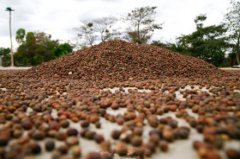
How Kopi Luwak Coffee Is Made From Civet Feces
Learn how kopi luwak coffee is produced, from civets eating ripe coffee cherries to roasting the processed beans. Step-by-step breakdown.

Kopi Luwak: Origins and Basic Facts About Civet Coffee
Learn how Kopi Luwak entered the global market, its unique fermentation process, and why expert opinions on its flavor remain sharply divided.

What Is Kopi Luwak? The Truth Behind Civet Coffee
Kopi Luwak is made from coffee beans eaten and excreted by civets. We explain how it’s processed, why it tastes different, and what drives its high price.

What Is Cup of Excellence and How Does It Rate Coffee?
Cup of Excellence scores coffees over 84 to find elite beans, auctioning the best with full producer transparency. Learn the scoring system here.