
Coffee Knowledge
Latest articles, industry insights and brewing guides

Breastfeeding Moms Should Limit Caffeine Intake
Research shows babies can’t efficiently process caffeine, so nursing moms should restrict intake to avoid sleep and mood issues in infants.

How Coffee Grounds Remove Toxic Odors from Sewage
Coffee grounds can absorb hydrogen sulfide, the gas behind foul sewage smells. Research shows they outperform activated carbon when treated with zinc and nitrogen-rich compounds.

How Coffee Compounds Support Metabolism and Diabetes Risk
A 10-year German study finds no link between coffee and chronic disease, and lower Type 2 diabetes risk among regular coffee drinkers.

Why You Shouldn’t Drink Coffee After Alcohol
Drinking coffee after alcohol worsens intoxication effects. Avoid caffeine for up to 3 hours after wine or 1 hour after spirits.

300g Electric Coffee Roaster for Home and Cafe Use
A compact 300g electric drum roaster ideal for cafes and home use, with a full roast profile example and indoor operation details.

Yunnan Arabica Coffee Processing Standards Explained
Learn the wet and dry methods for processing Yunnan Arabica coffee, including water quality standards, fermentation times, and drying specs.

How Coffee Cherries Become Green Coffee Beans
Learn how coffee cherries are processed into green beans through fermentation, drying, and sorting. Key methods include washed, natural, and semi-washed processes.

How Coffee Beans Are Harvested and Processed
Learn how premium coffee cherries are handpicked and processed—washed or natural—to create distinct single-origin flavors.

10 Must-Have Traits of Specialty Coffee Beans
Discover the 10 essential criteria that define a specialty-grade coffee bean, from varietal selection to moisture control.
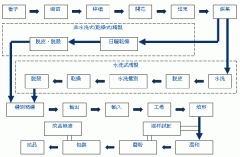
How Black Coffee Is Made: From Bean to Cup
Discover the full production process behind a cup of black coffee, from green bean sourcing to brewing methods. Learn the key steps in 6 stages.

How Coffee Beans Are Picked: Natural, Washed, and Hybrid Processes
Learn how coffee cherries are harvested and processed—natural, washed, Brazilian semi-washed, and mechanical honey—plus why ripeness and method shape flavor.
Washed vs Natural Coffee Processing: What Makes the Difference?
Learn how washed (wet) and natural (dry) coffee processing methods affect flavor, quality, and price—from fermentation to drying times.

How Coffee Is Processed and Roasted: Bean Basics
Learn how coffee beans are harvested, processed (washed or dry), and roasted—from light to dark—for distinct flavors. Key facts inside.

How Coffee Picking Impacts Specialty Bean Quality
Learn how hand-picking ripe coffee cherries, the timing of harvests, and fruit maturity determine the flavor of your specialty coffee beans.

How Coffee Beans Are Harvested and Processed From Fruit to Green Bean
Learn how coffee cherries are picked, processed via natural or washed methods, and dried to become the green beans used for roasting.

How Coffee Beans Are Processed: Natural vs Washed Methods
Discover the two main ways green coffee beans are processed—natural (dry) and washed (wet)—and how each affects flavor, quality, and cost.

How Kopi Luwak Coffee Is Actually Made
Kopi Luwak coffee is made from beans eaten and excreted by civets. Here’s how the controversial process works, and what affects the price.

How Coffee Is Harvested and Processed
Learn how coffee cherries are picked, when harvests happen, and the two main processing methods: washed and natural.

From Coffee Fruit to Green Bean: The Journey Explained
Learn how coffee cherries transform into green beans through harvest, processing, and drying—key steps that shape flavor and quality.

Natural Process Coffee: How Sun-Dried Beans Are Made
Learn how sun-dried or natural process coffee is made, from selecting ripe cherries to drying them for 2–4 weeks until reaching 12% moisture.