
Coffee Knowledge
Latest articles, industry insights and brewing guides

What Is Cafestol? The Cholesterol-Linked Compound in Unfiltered Coffee
Unfiltered coffee contains cafestol, a diterpene linked to raised cholesterol. Learn which brew methods keep it out—and which don’t.

How to Brew Great Coffee with a Chemex Filter
Learn how the Chemex filter removes bitterness and preserves flavor, creating a clean cup that reheats well. Includes setup, grind, and brew details.

How to Store Coffee Beans After Roasting
Learn how to keep your coffee fresh after roasting, including ideal storage temps, sealing tips, and why you should avoid the fridge.
Why Your Coffee Grinder Matters More Than Your Machine
A good grinder is essential for consistent coffee. Choose a burr grinder with 70–150W power for uniform grind size and better extraction.
What Is 4C Coffee Certification and How Does It Work?
4C is a global sustainability standard for coffee supply chains, covering social, environmental, and economic practices. Learn who it applies to and how it’s verified.

How to Make Coffee with an AeroPress in 1-2 Minutes
Learn how to brew coffee with an AeroPress in just 1–2 minutes using ground coffee, hot water, and light pressure for a clean cup.
Why You Shouldn't Drink Coffee with a Coffee Spoon
A coffee spoon is for stirring only — never for sipping. Find out why it belongs on the saucer, not in your cup.

How to Measure Proportions for Popular Coffee Shop Drinks
Learn the exact ratios for milk, espresso, syrup, and water in classic coffee drinks like lattes, cappuccinos, and flat whites.

Milk Chemistry for Latte Art: What Makes Foam Work?
Learn how milk proteins and fat affect foam stability and volume—key to better latte art. Discover the science behind steaming milk.
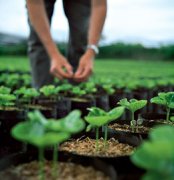
How to Use Coffee Grounds as Fertilizer for Houseplants
Learn how to turn used coffee grounds into safe, effective plant fertilizer. Discover the right methods, risks, and plant types that benefit.

What Is C8H10N4O2? The Science Behind Caffeine
C8H10N4O2 is the chemical formula for caffeine, also known as 1,3,7-trimethylxanthine. This article explains its full name, structure, and role in coffee.

What Matters Most When Brewing Espresso?
Cleanliness and consistency matter more than just dose or yield. Here’s what truly impacts your espresso shot quality.

How to Make a Classic Con Panna (Espresso with Whipped Cream)
Learn what makes Con Panna coffee unique and how to prepare it with espresso and fresh whipped cream using a moka pot.

What’s Really in Specialty Coffee? Key Coffee Components Explained
Learn how tannins, fats, sugars, caffeine, and other compounds shape your cup. Discover why freshness and brewing time matter.

What Makes a Good Barista? Essential Skills and Habits
A professional barista must master prep, machine tuning, hygiene, espresso quality, and customer energy. Here’s the full checklist.

The Three Waves of Coffee Explained
From instant blends to third-wave specialty, here’s how coffee culture evolved in three distinct phases.

What Is a Coffee Nose and Why Baristas Use It
The Le Nez du Café is a set of 36 aroma vials used by baristas and Q-graders to train their sense of smell. Divided into four flavor groups.
How Espresso Tamper Size, Shape and Material Affect Extraction
Learn why tamper choice matters in espresso brewing, including optimal size, base shape, and material differences that impact shot quality.

Common Coffee Types, Origins, and Flavor Profiles
Explore 12 classic coffee drinks and 9 major coffee origins, with detailed flavor traits and brewing context for each.
How to Taste and Describe Coffee’s Key Characteristics
Learn how to identify and articulate coffee traits like acidity, body, aroma, and flavor using professional coffee tasting terms.