
Coffee Knowledge
Latest articles, industry insights and brewing guides
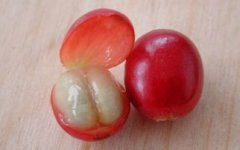
Why Does Coffee Taste Acidic? Understanding Coffee Acidity
Coffee’s natural acidity comes from fruit origins and processing — not spoilage. Learn what causes pleasant vs. unpleasant sour notes.

Why Warming Your Cup Matters for Black Coffee
Warming your coffee cup before brewing preserves aroma and flavor—especially for single-origin black coffee. Here’s why it works and how to do it right.

Dry vs Wet Cappuccino: What’s the Difference?
Learn the difference between dry and wet cappuccinos—how milk foam and steamed milk ratios change flavor, texture, and strength.

How Much Caffeine Is in Your Daily Drink?
Find out the caffeine content per 100ml in common drinks like Coca-Cola, energy drinks, and coffee. Learn safe daily intake levels too.

Common Types of Coffee Brewers Around the World
Explore the main types of coffee brewers used globally, from Turkish to moka pots, with grind sizes, roast levels, and brewing methods explained.
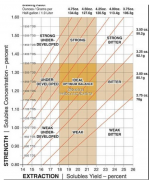
Pour-Over Coffee Basics: SCAA Brewing Ratios Explained
Learn the standard SCAA pour-over brew ratios and how they influence extraction, with key numbers and beginner tips for better coffee.

How to Open a Coffee Shop Without Common First-Time Mistakes
Opening a coffee shop for the first time? Learn the key budget range, design pitfalls, franchise vs indie tradeoffs, and mistakes to avoid.
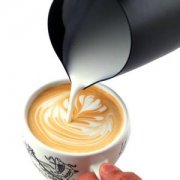
How to Make Your Coffee Taste Better: Simple Tips
Keep your coffee fresher and tastier with these proven tips on storage, brewing, and avoiding common mistakes.

Three Key Factors That Affect Coffee Latte Art
Milk’s sweetness, texture, and foam stability come down to lactose, fat, and protein levels—here’s how each affects latte art directly.

10 Key Factors to Consider When Buying Green Coffee Beans
Learn the 10 essential elements to evaluate before purchasing green coffee beans, from size consistency to drying quality and sensory checks.

How Coffee Acts as Traditional Chinese Medicine
Discover how coffee, from a TCM view, boosts energy, aids digestion, and may help with neurological conditions — and how much to drink safely.

Why Every Cup of Black Coffee Deserves Respect
Learn why your cup of black coffee took years to grow and multiple processes to reach you — and why drinking it plain is the best way to honor it.

What’s Inside Green Coffee Beans? The Basic Composition Breakdown
Green coffee beans are made up of water, fat, protein, carbohydrates, and acids. Here’s a detailed look at their key components by percentage.

The Color Journey of Coffee From Seed to Cup
Coffee changes color multiple times—from white flowers to red cherries, then yellow-green seeds, and finally roasted green or brown. Here’s how.

What to Do With Expired Coffee Powder
Expired coffee powder can’t be brewed—but it still works wonders for deodorizing, exfoliating, and cleaning around your home.
Latte Art in Small Ounce Cups
Smaller cups make latte art harder, but with practice you can still create clear, beautiful patterns in 3–6oz espresso drinks.

What Is Malaysian White Coffee and How Is It Made
Malaysian white coffee is lightly roasted with Liberica, Arabica, and Robusta beans, then blended with non-dairy creamer. It’s low-acid, mild-flavored, and golden in color—not actually white.

Why Freshness Matters Most in Coffee Beans
Freshly roasted coffee beans taste best within two weeks of roasting. Learn how to spot freshness and why it defines your cup.

Why Coffee Tastes Less Flavorful Than It Smells
Your coffee may smell amazing but taste weaker—here’s why your nose detects more aroma than your tongue, and how saliva affects flavor.
Coffee Etiquette in the Workplace: What You Should Know
Learn the essential rules for drinking coffee professionally, including whether to add milk or sugar and how to use your spoon.