
Coffee Knowledge
Latest articles, industry insights and brewing guides

What Is a Starbucks Frappuccino and How Is It Made?
Starbucks Frappuccinos are blended iced drinks like Coffee Frappuccino and Coconut Mocha Frappuccino, often mixed with cream and served with a straw.

How to Save Money on Starbucks Coffee Orders
Save on Starbucks drinks with these 9 practical tips — from cup sizes to free refills and DIY hacks. Find out which choices save the most.

Why Espresso Is Italy’s Coffee Icon
Espresso is the foundation of countless coffee drinks, from lattes to cappuccinos. Learn why it’s Italy’s coffee pride and what makes a great shot.

How to Tell If Your Espresso Is Good
A perfect espresso is judged by its 25–30 second extraction, 7–8g dose, 30ml yield, and rich, stable crema. Here’s how to assess quality.

How Much Caffeine Is Really in a Shot of Espresso?
A standard double espresso shot contains far less caffeine than other brewing methods. Find out exactly how much, and why.

Why Espresso Feels Thick and Has Lasting Aroma
Espresso’s thick texture and long-lasting aroma come from suspended CO₂ bubbles and emulsified oils, which also reduce bitterness and enhance flavor.

How to Hold a Coffee Cup and Other Coffee Etiquette Tips
Learn the proper way to hold a coffee cup, add sugar, and use a spoon—key etiquette rules every coffee drinker should know.

Famous Coffee Shops in Belgium: Where Marx Wrote the Communist Manifesto
Discover the historic Café Le Cygne in Brussels, where Karl Marx and Friedrich Engels drafted the Communist Manifesto in 1845.

Why Specialty Coffee Beans Are a Premium Agricultural Product
Like wine, specialty coffee is a delicate agricultural product affected by climate, elevation, and origin. Learn why Arabica grown at altitude matters.

Single Origin Coffee Beans from Iconic Origins
Explore single origin coffees like Jamaica Blue Mountain No.1, Sulawesi Toraja, and Kenyan peaberry, each with distinct profiles.

Espresso Blends with Mixed Arabica Varieties
Explore the smooth, rounded Swiss 'Melodie' espresso blend made with Brazilian, Indian, and Indonesian Arabica beans, lightly roasted for a mellow cup.

How to Judge a Perfect Italian Espresso
Learn the key signs of a well-brewed espresso: right volume, thick crema, balanced flavor, and ideal extraction time.

How to Taste Traditional Italian-Style Coffee Like an Expert
Learn how to evaluate rich Italian coffee by focusing on aroma, flavor, and mouthfeel—just like tea connoisseurs assess their brew.

The Critical 45 Seconds in Coffee Roasting
Learn why the 45 seconds after first crack during coffee roasting define flavor development, and how to brew great pour-over coffee simply.

What Makes the Best Coffee Beans? Freshness Matters
The best coffee beans are freshly roasted—ideally within a month—and have uniform size, minimal defects, and a rich, intact aroma. Here's how to choose them.

Starbucks Coffee Order Terms in English Explained
Learn key Starbucks menu terms like shots, syrup, and sizes (Grande, Venti) with exact numbers and ratios for ordering coffee confidently.

How Fair Trade Coffee Works – Lessons from Black Gold
Learn what fair trade coffee really means through the 2006 documentary Black Gold, which exposes global coffee trade injustices faced by Ethiopian farmers.
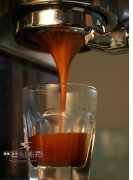
The History of the Espresso Machine
Learn how the modern espresso machine evolved since 1948, why E61 portafilters faded, and what stayed the same in commercial espresso tech.

Common Espresso Coffee Bean Blends and Origins
Learn which coffee beans are typically used for espresso, why blends dominate, and how Robusta factors into classic espresso profiles.

Why 90.5°C Is the Standard Temperature for Espresso
Espresso extraction works best at 90.5°C—too cool makes it sour, too hot turns it bitter. Learn why this temp matters and what affects it.