
Coffee Knowledge
Latest articles, industry insights and brewing guides

Why Aroma Is the Lifeblood of Handbrewed Coffee
Coffee aroma is shaped by origin, roast, and processing—learn how these factors create complex scents and why they define your brew's quality.

How Roast Affects Coffee Flavor: Bitterness, Acidity, and Aroma
Learn how coffee’s flavor, aroma, and color develop through roasting, and why precise heat control creates balanced single-origin profiles.

What’s Really Inside a Cup of Single Origin Coffee?
Explore the key chemical components of single origin coffee—caffeine, tannins, fats, sugars, proteins, and more—and how they shape flavor and effects.

How to Taste a True Espresso Correctly
Learn how to properly evaluate espresso by noticing crema, aroma, and mouthfeel—plus best beans for a balanced shot.

How to Identify a Perfect Italian Espresso
A perfect single espresso should pull 1 oz in 25 seconds with 4mm+ crema. Learn what to look for in color, texture, aroma and taste.

What Makes a Perfect Espresso Extraction?
Learn the essential factors for brewing a great espresso: freshness, grind, dose, tamp, and timing. Every detail counts.

How to Identify a Great Espresso Shot
Learn the key traits of a high-quality espresso: 7g coffee, 91°C water, 9 bar pressure, 25-second extraction, and a 30ml shot with rich crema.

Common Coffee Types You’ll Find in Cafés
From instant to espresso, learn the 6 most common coffee styles served in cafés, how they’re made, and what sets them apart.

Why Japanese Love Filter Coffee Drip Bags
Japanese drip bags offer a simple, elegant way to brew mild, acidic pour-over coffee at home using high-quality beans from Colombia and Ethiopia.
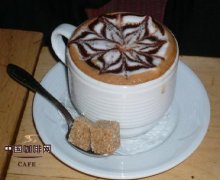
What Makes Russian Coffee So Rich and Nutritious?
Learn how to make a classic Russian coffee with egg yolk, chocolate, vodka, and cream—a high-calorie winter drink with bold flavors.

What Makes Mexican Coffee Low-Key But Flavorful?
Mexican coffee offers low bitterness, rich aroma, and wine-like notes. Best enjoyed at 75°C, it’s ideal for blending or beginners.

Singapore-style Handmade Coffee with Pulling Technique
Discover how Singapore-inspired coffee shops in Guangzhou’s Tianhe District brew authentic kopi-style coffee manually, including unique pull techniques and flavor profiles.

Why Turkish Coffee Is Served Unfiltered
Turkish coffee is brewed unfiltered with fine grounds, creating a thick brew with sediment. Here’s how it’s made and why it’s traditionally served that way.

How to Drink Layered Coffee Without Wasting Flavor
Layered coffee looks impressive, but taste comes first. Here’s why you should stir it—and how to do it right without making a mess.

Cappuccino vs Latte: What’s the Real Difference?
Learn the exact differences between cappuccino and latte—foam ratio, texture, and milk levels—that make these two classic espresso drinks unique.

How Moka Pots Make Strong Italian Coffee
Learn how Italian-style coffee is brewed at home using a moka pot, creating bold, crema-topped shots with intense flavor.

Cappuccino vs Latte: Name Origins & Brewing Methods
Learn how cappuccino and latte got their names and how to brew them at home with the right espresso, milk, and foam ratios.
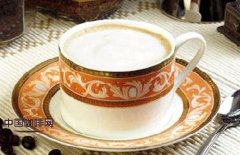
Con Panna and Macchiato: Two Classic Italian Espresso Drinks
Learn how to make authentic Italian Con Panna and Macchiato drinks with espresso and just cream or foam. Simple, classic, and rooted in tradition.
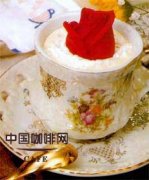
French Milk Coffee: The 1:1 Coffee and Milk Classic
Learn how traditional French milk coffee balances coffee and milk at a 1:1 ratio, poured simultaneously for a smooth, creamy breakfast staple.
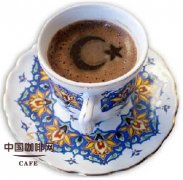
How Turkish Coffee Is Made Using Its Ancient Brewing Method
Turkish coffee uses finely ground beans and no filter, brewed in a cezve over low heat. Here’s the full traditional process, step by step.