
Coffee Knowledge
Latest articles, industry insights and brewing guides

Why Traditional Cappuccino Tastes Different Every Sip
Traditional cappuccino’s layered ratios—1/3 espresso, 1/3 steamed milk, 1/3 foam—create shifting flavors from sweet foam to bitter crema. Here’s how.

Dry vs Wet Cappuccino: Which Milk Foam Ratio Is Right for You?
Dry cappuccinos have more foam and less milk, emphasizing coffee flavor, while wet versions use more steamed milk for a smoother, latte-like taste.

What Makes a Cappuccino’s Bitter Beauty
A classic cappuccino balances bitter espresso with thick milk foam. Here’s how milk texture, espresso strength, and pouring ratios create its signature taste.

What Makes Cuban Coffee Cubita Unique?
Cubita Coffee, sourced from Cuba’s Sierra Cristal mountains, rivals Jamaican Blue Mountain with its balanced, smooth profile. Handpicked and washed, it’s the Cuban embassy’s go-to brew.

11 Famous Coffee Origins Every Specialty Drinker Should Know
Explore 11 classic coffee-producing countries, from Jamaica’s Blue Mountain to Ethiopia’s Yirgacheffe, with details on flavor, processing, and regional distinctions.

What’s Really Inside Your Coffee? Key Coffee Bean Components
Coffee contains fiber, protein, sugar, caffeine, and more. Here’s a breakdown of the major chemical components in roasted coffee beans.
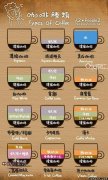
20 Classic Coffee Types Every Café Should Know
Explore 20 classic coffee types from around the world, including single origins like Jamaican Blue Mountain and blends like Mocha, with brewing tips.

What Are the Benefits and Risks of Drinking Coffee?
Coffee offers key benefits like fatigue relief, antioxidant effects, and reduced gallstone risk—but also has drawbacks. Here’s what science says.

Why You Shouldn’t Drink Too Much Coffee
Drinking too much coffee can worsen anxiety, raise blood pressure, and increase osteoporosis risk—especially with high intake or stress.

8 Key Coffee Drinking Risks and Who Should Avoid It
Coffee interacts with medications, reduces mineral absorption, and poses risks for pregnant women, kids, and those with heart or stomach issues.

What Sugars to Add to Coffee: Yellow, White or Cube?
Coffee can be sweetened with yellow sugar, white sugar or cube sugar. Each affects taste differently—here’s what to choose and why.

How Coffee Roasting Shapes Flavor
Roasting unlocks 80% of your coffee’s flavor. Learn how heat, timing, and technique turn green beans into complex brews.

Coffee Etiquette: How to Handle Hot Coffee & More
Learn proper coffee cup handling, cooling methods, sugar addition, and etiquette rules for stirring, drinking, and pairing with desserts.

How to Taste Coffee: Black Coffee & Beyond
Learn how to properly taste coffee, from black coffee basics to adding milk, sugar, or spices—and the ideal temperature and serving size.

What Made Peet's Coffee So Influential in Specialty Coffee?
Learn how Peet's Coffee shaped modern specialty coffee and why your first cup might disappoint — despite its legendary reputation.

Why Mild Coffee Tastes So Memorable
Discover why lightly flavored coffee can leave a lasting impression, even without strong bitterness or acidity.

Why Is Authentic Italian Espresso Served in Such Small Cups?
Authentic Italian espresso is served in tiny cups—usually just 25ml—to preserve optimal temperature, flavor, and drinking speed. Here’s why.
Common Coffee Tasting Terms Used in Cafés
Learn key café coffee tasting terms like complexity, body, acidity, and balance, plus espresso drink names and sizes explained clearly.

Roast Coffee vs Instant Coffee: What’s the Difference?
Learn the key differences between freshly roasted coffee and instant coffee, including brewing methods, flavor quality, and processing types.

Exploring Coffee Shops in Lijiang, Yunnan’s Ancient Town
Discover the coffee scene in Lijiang’s UNESCO-listed Old Town, where travelers sip Yunnan-grown beans amid cobbled streets and historic architecture.