
Coffee Knowledge
Latest articles, industry insights and brewing guides
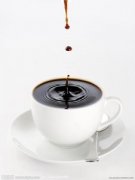
Common Coffee Drink Indexes: Calories, Taste & Health Ratings
Find out the taste, health, and calorie impact of classic coffee drinks like espresso, cappuccino, mocha, and more with our detailed index ratings.
How to Hold and Use a Coffee Cup the Right Way
Learn the proper way to hold a coffee cup and saucer, including finger placement, posture, and etiquette for enjoying post-meal coffee.
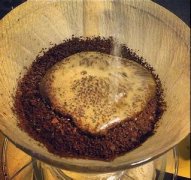
Two Cups of Coffee Daily Linked to Lower Stroke Risk
Drinking two cups of coffee per day may reduce stroke risk by 14%, according to a Swedish study of over 500,000 people. More than six cups shows diminished benefits.
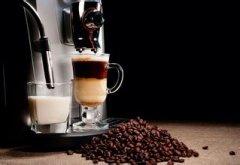
When Was Instant Coffee First Patented in the U.S.?
The first U.S. patent for instant coffee was granted on August 11, 1903, to Japanese chemist Satori Kato in Chicago. Learn how it evolved.

What Is Coffee Cupping and How to Do It
Cupping is the professional way to taste and evaluate coffee beans. Learn the exact method: 10g coffee, 180cc water, 3-minute steep, and more.
Colombian Geisha Coffee: Flavor, Origin and Roast Test
Learn how Colombian-grown Geisha coffee compares to Panama’s, its origin story, and how a Beijing cupping revealed surprising results.
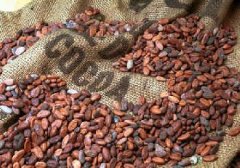
What Is Con Panna Coffee? The Italian-Era Espresso Topping
Con Panna is a classic Viennese-style espresso served with a dollop of cold whipped cream. Learn how it's made, where it comes from, and why it's still loved today.

Nanyang vs White Coffee: What’s the Real Difference?
Learn how Nanyang and white coffee differ in roast style, ingredients, and origin—from Malaysia’s sugar-roasted blends to lighter European-style brews.

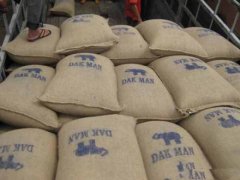
How Fair Trade Coffee Tries to Fix Global Inequality
A 2006 documentary reveals how Ethiopian coffee farmers struggle against global price exploitation—and what fair trade aims to change.
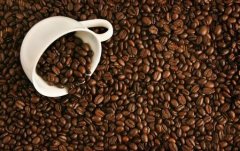
The Four Types of Coffee Trees and Where They Grow
Learn about the four main coffee species—Arabica, Robusta, Liberica, and Excelsa—and why Colombian Arabica dominates global specialty markets.
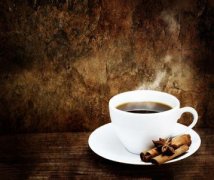
7 Essential Tools Every Barista Should Carry
Every professional barista should have these seven tools on hand—from milk pitchers to cleaning brushes—for better service and cleaner setups.
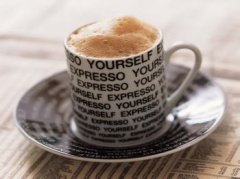
How to Brew the Best Espresso Using the 4 Ms
Learn how to pull the perfect espresso shot using the 4 Ms: blend, grind, machine, and technique. Key details include 7g dose, 20–35ml yield in 20–30s.
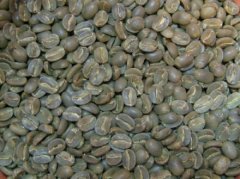
Why Are Coffee Beans Green Before Roasting?
Green coffee beans are the raw, unroasted seeds used to make brewed coffee. Learn why they’re green, how they become brown, and what happens during roasting.
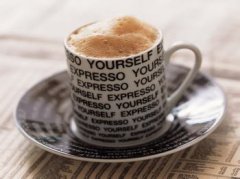
What Makes Each Country’s Coffee Unique?
Explore the distinct flavors and roast profiles of global coffee origins—from Ethiopia and Colombia to Kenya and Indonesia.
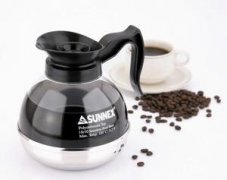
How to Tell If a Cup of Coffee Is Good
A great cup of coffee should have rich aroma, balanced flavors, no off-notes, and a long-lasting finish. Here’s how to judge quality.
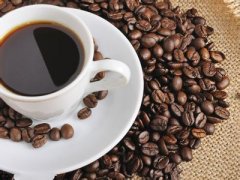
How Coffee Cup Sizes Affect Strength and Flavor
Coffee cup sizes generally fall into three categories: espresso (50–80ml), cappuccino (120–140ml), and latte (300ml+), each impacting brew concentration.
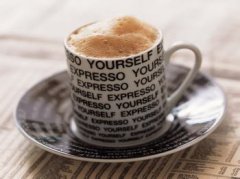
How Coffee Grounds Remove Toxic Sewage Odors
Used coffee grounds can absorb hydrogen sulfide, the gas behind foul sewage smells, more effectively than activated carbon when treated properly.

How Grind Size Affects Coffee Brewing Methods
Learn how grind size should match your brewing method—espresso needs fine, French press coarse, and pour-over in between—for balanced extraction.

How to Tell a Good Cup of Coffee by Its Clarity and Etiquette
A high-quality coffee should be clear and bright—not cloudy. Here’s how to assess clarity, avoid common coffee mistakes, and observe proper drinking etiquette.
The 4 Main Coffee Species and What Makes Them Different
Learn the 4 commercial coffee species—Arabica, Robusta, Liberica, and Excelsa—with key traits, origins, and flavor profiles explained.