
Coffee Knowledge
Latest articles, industry insights and brewing guides

Espresso vs Single Origin Coffee: What’s the Difference?
Espresso can be made with single origin beans, and single origin coffee isn’t always espresso. Here’s how to tell them apart by grind, brew method and bean type.
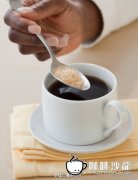
How to Drink Coffee in a Café: Proper Cup & Spoon Etiquette
Learn how to properly hold a coffee cup, use a spoon, add sugar, and avoid common faux pas when drinking coffee in a café.

What’s Actually in Your Coffee? Nutritional Facts Revealed
Find out the key nutrients in coffee per 100g: 99.5% water, 0.2g protein, 0.1g fat, 0.04g caffeine, 0.06g tannin, plus trace minerals.
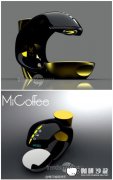
Best Lazy Drip Coffee Machines for Easy Brewing
Discover a C-shaped coffee machine that auto-stops pouring to prevent spills and lets you choose 1- or 5-cup water volumes.
How Coffee Powers Workaholics Through the Day
Discover how coffee boosts productivity, focus, and energy for workaholics, with science-backed tips on timing, dosage, and brewing.
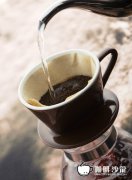
What Water Should You Use for Brewing Coffee?
Tap water boiled on a gas stove is best for brewing coffee. Avoid mineral-heavy bottled water, which can mute flavor extraction.
Why Coffee Smells Better Than It Tastes
The volatile aroma compounds in coffee vaporize during brewing, reducing flavor intensity. Here’s why your cup never smells as good as it did in the bag.

How to Drink Turkish Coffee Without Stirring
Turkish coffee is best sipped without stirring. Let the grounds settle for 2–3 minutes, then enjoy slowly until the sediment appears.
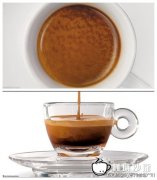
Why a Good Espresso Shows Visible Crema (Tiger Spot)
A good espresso features visible crema — the amber foam layer also called 'tiger spot.' Learn what it is, why it matters, and how it forms.
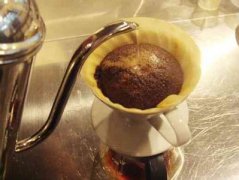
The Two Main Coffee Bean Varieties You Should Know
Most high-quality coffee comes from just two species: Arabica and Robusta. Learn how they differ in taste, growing conditions, and processing.

From Cherry to Cup: The 5 Key Steps in Coffee Processing
Learn how coffee goes from fruit to brew in five essential steps: pulping, fermentation, drying, roasting, grinding, and brewing.
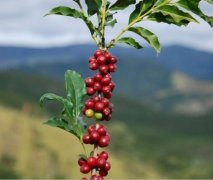
How Much Caffeine Is Really in Your Coffee?
Caffeine levels vary by bean type, roast depth, and brew time. Dark-roast arabica espresso has the least—here’s why.
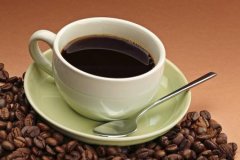
What Is Charcoal-Roasted Coffee? The Japanese Method Explained
Charcoal-roasted coffee uses wood charcoal heat for even roasting. It produces mellow, smoky beans—but is costly and hard to control.

How Dutch Ice Drip Coffee Achieves Clarity and Smoothness
Dutch-style ice drip coffee uses a 10-second, 7-drop rate over 8–10 hours for smooth, amber-tasting cold coffee with no bitterness.
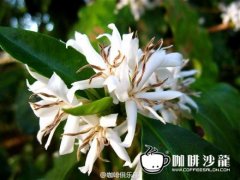
Yunnan Arabica Flowering Season Explained
Yunnan’s Typica coffee flowers from February to July, peaking March to May. Fruiting starts soon after and takes 8–10 months to mature.
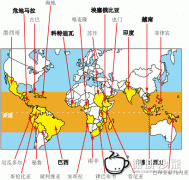
Where Coffee Grows: The World’s Coffee Production Zones
Learn which global regions grow specialty coffee beans—and why latitude, climate, and temperature determine ideal coffee farming zones.
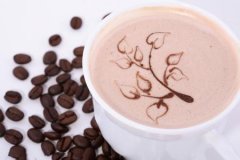
The 7 Key Coffee Tasting Metrics Every Specialty Drinker Should Know
Learn the 7 essential coffee tasting metrics—fragrance, aroma, acidity, body, aftertaste, flavor, and balance—that define specialty coffee quality.

Why Espresso Has the Lowest Caffeine Content
Espresso made with dark-roasted arabica beans has the least caffeine per shot. Here’s why roast level, brew time, and bean type matter.
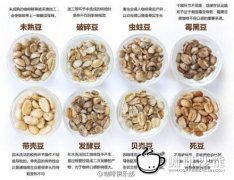
How Defect Coffee Beans Affect Flavor More Than You Think
Defect beans drastically alter coffee flavor—here’s how identifying and removing them before roasting preserves quality and taste.
Coffee Bean Basics: Key Facts Every Coffee Drinker Should Know
Learn essential facts about coffee beans, from roast levels to processing methods, and understand what affects flavor and quality.