
Coffee Knowledge
Latest articles, industry insights and brewing guides
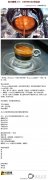
How to Taste and Understand Espresso
Learn how to evaluate espresso like a pro: crema, flavor balance, body, and common tasting mistakes explained with FrontStreet Coffee examples.
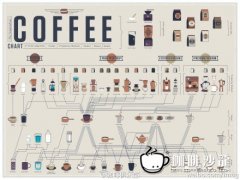
How to Read a Coffee Brewing Chart Like a Pro
Understand this coffee brewing diagram and you’ll master key variables like grind size, brew time, and water temperature. Here’s what the chart really tells you.

What Is Fairtrade Coffee and Why It Matters
Fairtrade certification ensures coffee meets ethical, environmental, and developmental standards. Learn how it protects producers and what it means for buyers.
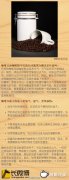
Should You Refrigerate or Freeze Coffee Beans and Ground Coffee?
No, don’t put coffee beans or grounds in the fridge or freezer. They degrade faster due to moisture, air, and temperature shifts. Store them sealed in a cool, dry place.
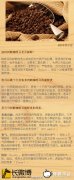
How to Tell If Your Coffee Beans Are Freshly Roasted
Find out if your coffee beans are fresh by checking gas release, aroma, and roast date. A simple bag test confirms freshness within 24 hours.
How Long Do Freshly Roasted Coffee Beans Stay Fresh?
Freshly roasted coffee tastes best 3–7 days post-roast, peaks at two weeks, and remains good for up to a month with proper storage.
Why Blended Espresso Beans Need Rest After Roasting
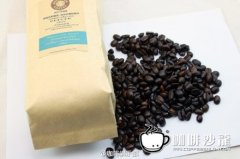
Blended espresso beans perform best after resting. Find out how long you should wait based on whether they were blended before or after roasting.
Why Ground Coffee Doesn’t Dissolve Like Instant Coffee
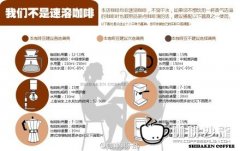
Ground coffee from roasted beans doesn’t fully dissolve in water—unlike instant coffee. Here’s why, and how to brew it properly.
Common Espresso Drinks in Cafés Explained
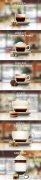
Learn how classic café espresso drinks like espresso, latte, cappuccino, and flat white are made, with key ratios and preparation details.
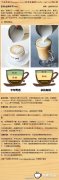
Cappuccino vs Latte: Key Differences Explained
Learn the exact differences between a cappuccino and a latte, including milk ratios, foam texture, and flavor profiles in specialty coffee.

What Are Macchiato and Con Panna? Bold Espresso Drinks Explained
Macchiato adds two spoonfuls of milk foam to espresso; Con Panna tops it with whipped cream. Both are small, rich shots served in demitasse cups.
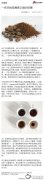
Why Grind Size Matters for a Great Cup of Coffee
Learn how grind size affects extraction and flavor, especially for moka pots, and get the right settings for rich or fruity results.

Espresso Brewing Tips Every Barista Should Know
Learn how to dial in espresso with insights on blends, single origins, grind settings, and extraction tips from a specialty roaster’s experience.
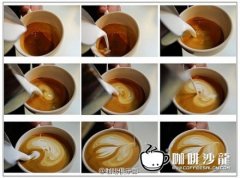
How Does Latte Art Foam Actually Form?
Latte art patterns hold thanks to stable foam layers from milk and espresso — here’s how both types work together to create those designs.
How Many Coffee Varieties Exist? Key Types Explained
Learn which coffee varieties dominate the global market and what sets them apart. Discover the 3 main types and their market share.
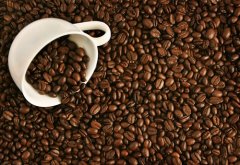
What Is Hawaiian Kona Coffee? Flavor & Origin Guide
Hawaiian Kona is a smooth, aromatic single-origin coffee grown on volcanic slopes. Learn its flavor profile, growing conditions, and what makes it unique.
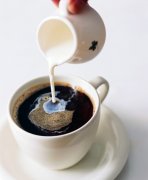
What Is Caffeine in Specialty Coffee Beans?
Caffeine is a natural pesticide found in over 60 plants, including coffee. Learn how much caffeine is in your beans and why it matters.
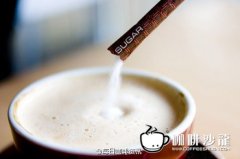
How Sugar Affects the Flavor of Your Brewed Coffee
Different sugars—white, brown, rock, and fruit—affect your coffee’s sweetness and taste profile. Learn which one best matches your preferred brew.
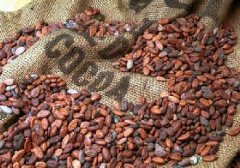
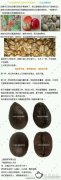
Why Some Coffee Beans Are Smaller and Rounder: The Peaberry Story
About 5–10% of coffee cherries contain just one round seed called a peaberry, which forms when only one ovule is fertilized. These beans taste different—often brighter and more acidic.
Ecuador’s World’s Highest-Elevation Coffee Farms
Ecuador hosts the world’s highest-elevation Arabica coffee farms, with beans grown over 2,800m in the Andes and Galápagos, producing unique cup profiles.