
Coffee Knowledge
Latest articles, industry insights and brewing guides

How Roasting Gives Coffee Beans Their Distinctive Life
From light to dark roast, discover how heat shapes flavor — and why moderate roasting brings out coffee’s balanced complexity.
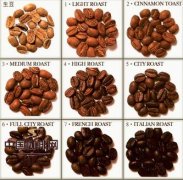
The 8 Roast Stages of Specialty Coffee Explained
Understand how coffee roast levels—from Light to Italian—affect flavor, weight loss, and acidity. Learn what happens at each stage.
Two Compounds Found to Cause Coffee Bitterness
Researchers have pinpointed two compounds—chlorogenic acid lactone and phenylindane—as the main sources of bitterness in both light and dark roasted coffee.
How to Store Coffee Beans: 5 Proven Methods for Freshness
Learn the best ways to store coffee beans to preserve freshness, including using upright containers, avoiding light, and keeping them cool.
The Eight Coffee Roast Levels Explained
Professional coffee roasting is divided into eight defined stages. Learn how roast level affects flavor, from light to dark, and what each means.
Common Coffee Roasting Methods Explained
Learn the 3 main types of coffee roasting: direct-fire, semi-hot-air direct-fire, and hot-air. Discover how each affects flavor and what gear is used.
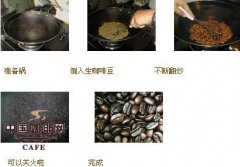
How to Roast Coffee Beans at Home Using a Frying Pan
Yes, you can roast green coffee beans at home using just a frying pan. Here’s how to get fresh, evenly roasted beans with control over City to Full-City levels.
How to Store Fresh Specialty Coffee Beans Properly
Keep your specialty coffee fresh longer: buy small batches, store unopened in valve bags, grind just before brewing, and avoid the fridge.
How Specialty Coffee Cherries Are Harvested and Processed
Learn how high-quality coffee cherries are handpicked and processed—either washed or natural—to produce distinct single-origin flavors.
10 Key Factors That Define Specialty Coffee Beans
Discover the 10 strict criteria that separate specialty-grade coffee beans from ordinary ones, from harvest to processing.
What Is Mechanical Semi-Washed Coffee Processing?
Mechanical semi-washed processing removes mucilage with machines instead of fermentation, ideal for humid regions. It saves water and speeds up drying.
How Specialty Coffee Cherry Beans Are Picked and Processed
Learn how ripe red coffee cherries are selected and processed using natural, washed, or honey methods to make high-quality specialty coffee.
How Coffee Beans Are Processed Before Roasting
From depulping to roasting, here’s how raw coffee beans are transformed through key steps before you grind them at home.
How Coffee Cherries Are Harvested for Specialty Coffee
Learn how long coffee trees take to fruit, why handpicking matters, and how harvest timing affects your cup. Includes harvest seasons by region.
How Coffee Beans Are Processed From Harvest to Drying
Coffee beans start as seeds inside bright red cherries. Learn how they’re picked, pulped, fermented, and dried to become green coffee ready for roasting.
Honduras Coffee Beans: What Makes Them Special?
Honduras produces Central America’s second-largest volume of high-quality coffee, known for floral, fruity notes and a smooth, balanced cup.
Flores Coffee: What Makes Indonesian Island Beans Unique
Discover why Flores Arabica coffee is prized for its thick body, caramel sweetness, and long-lasting finish.
What Is Mamba Coffee? The Classic Mandheling-Brazil Blend
A 50/50 blend of Mandheling and Brazilian beans, Mamba Coffee offers bold body, rich crema, and a sweet finish. Learn why it’s Taiwan’s favorite blend.
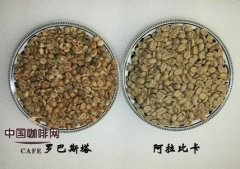
Arabica vs Robusta Coffee Beans: What’s the Difference?
Arabica and Robusta beans differ clearly in shape, color, and flavor. Here’s how to tell them apart and why those differences matter.
What Is a Coffee Cherry? Specialty Coffee Fruit Basics
Learn the anatomy of the coffee cherry, from outer skin to the green bean inside. Discover how fruit development and climate affect your cup.