
Coffee Knowledge
Latest articles, industry insights and brewing guides
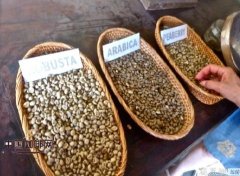
Why Kopi Luwak Coffee Costs So Much
Kopi Luwak, or civet coffee, costs up to $50 per cup due to rare production and wild animal fermentation. Learn why it’s so expensive.
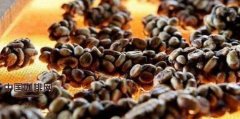
What Makes Kopi Luwak Coffee Different?
Kopi Luwak coffee is uniquely fermented in the civet’s digestive tract, creating unusually rich and thick flavors. Learn how this rare process works.
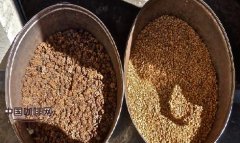
How Kopi Luwak Coffee Is Actually Made
Learn how kopi luwak, or civet coffee, is produced: from bean extraction to sun-drying and roasting. Discover why it’s so rare and what gives it its unique profile.

How Kopi Luwak Coffee Is Really Made
Learn the real steps behind kopi luwak production, from civet coffee fruit consumption to roasted bean preparation.
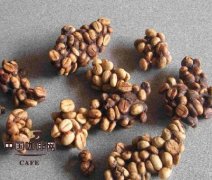
The History of Kopi Luwak Coffee in Specialty Circles
Learn how civet coffee reached the U.S., why it tastes so unusual, and why experts still debate its place in specialty coffee.

How Kopi Luwak Coffee Is Made: The Civet Process Explained
Kopi Luwak, the world’s most expensive coffee, is made from beans eaten and excreted by civets. Here’s how digestion changes the flavor.

What Defines Specialty Coffee and Cup of Excellence?
Learn what makes coffee 'specialty'—80+ cupping scores, traceable origins, and auction-grade COE beans scoring 84+. Discover the standards behind premium coffee.
How to Identify a Great Italian Espresso
Learn what makes a perfect espresso, from crema thickness to extraction time, and how to spot a poor shot in a café.
What’s Really Inside a Cup of Specialty Coffee?
A deep dive into the key chemical components of coffee—caffeine, tannins, fats, sugars, and more—that shape flavor and function.
Understanding Coffee’s Sweetness, Acidity, Bitterness & Aroma
Learn how roasting transforms green coffee into complex flavors — and why heat control and chemical balance define great roast profiles.
Why Aroma Is the Soul of Specialty Coffee
Coffee aroma reflects processing, roast skill, and origin — hundreds of aromatic compounds define flavor and freshness. Here’s how it works.
How to Choose the Best Coffee Beans
Learn what makes a great coffee bean: freshness, roast age, purity, and sensory quality in under 30 words.

Chemical Composition of Raw Coffee Beans Explained
Learn the exact chemical makeup of green coffee beans — including carbs, sugars, and fiber — and how they affect roasting and flavor.
What’s the Ideal Temperature for Brewing Espresso?
The optimal brewing temperature for a balanced espresso is around 90.5°C. Lower temps cause sourness, higher temps increase bitterness.
What Coffee Beans Are Used in Espresso?
Learn which beans go into espresso—Arabica, Robusta, or blends—and why crema, balance, and roast matter more than single-origin prestige.
The History of Espresso Machines in Specialty Coffee
From Gaggia’s 1948 piston pump to modern aluminum boilers, learn how espresso machine design evolved — and why some vintage features disappeared.
What Makes Jamaican Blue Mountain Coffee So Special?
Learn why authentic Jamaican Blue Mountain coffee is rare, costly, and uniquely balanced—with details on its strict production, terroir, and flavor profile.

Café de Flore: Where Zhou Enlai Drank and Politicians Debated
Discover how Zhou Enlai used Paris’s Café de Flore in the 1920s to connect with intellectuals—and how staff like Pascal aided him financially.
The 45-Second Moment That Defines Great Coffee
Learn which 45-second window during roasting creates coffee’s signature aromas, and why your brewing setup matters less than you think.

Germany’s History With Coffee Substitutes
Learn why Germany once turned to substitutes like Muckefuck and roasted grains during coffee shortages, and how wartime restrictions shaped drinking habits.