
Coffee Knowledge
Latest articles, industry insights and brewing guides

How to Practice Latte Art: The Leaf Pattern
Learn how to pour a basic leaf design in latte art with step-by-step guidance from fusion to final pour. Ideal for beginners.
How to Brew Coffee Without Making These 7 Common Mistakes
Avoid bitter, weak, or over-extracted coffee by following these 7 essential brewing tips, from water temp to grind size and brew ratios.

How to Blend Coffee Beans Like a Pro
Learn how to craft balanced coffee blends by choosing contrasting beans, controlling proportions, and iterating through tasting.
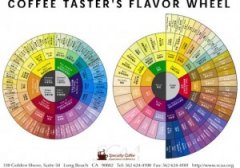
How to Read the SCAA Coffee Tasting Wheel
Learn how the SCAA flavor wheel categorizes coffee aromas and flaws, from enzymatic notes to storage defects — with scoring impacts.
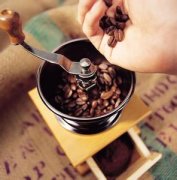
How to Identify and Remove the 10 Most Common Coffee Defects
Learn how to spot and eliminate the top 10 coffee defects—including black beans, stones, and insect damage—that can ruin your cup.
How Coffee Beans Are Graded by Country and Method
Learn the 3 key ways countries grade green coffee beans—by altitude, screen size, and defect rates—and how these affect quality and roast potential.

What Is Coffee Cupping? The Complete Guide
Coffee cupping is how pros taste and score coffee. Learn the 8 steps, key flavor traits, and how to assess quality like a trained cupper.
How to Identify Coffee Roast Levels by Sight, Sound and Smell
Learn how to judge coffee roast levels using color, aroma, and the two cracking sounds during roasting, plus Agtron numbers and 8 common roast terms.
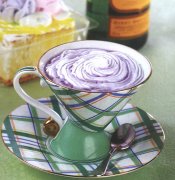
How to Make Lilac Coffee with Violet Liqueur and Cream
Learn how to make traditional lilac coffee: 120ml hot coffee, 15ml violet liqueur, and topped with whipped cream. Step-by-step instructions included.
How to Steam Milk for Coffee Like a Pro
Master the essentials of steaming milk: heating, creating foam, and texturing it smoothly. Here’s exactly how to get professional results every time.
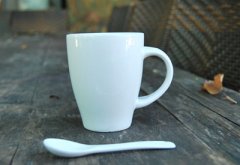
How Coffee Cup Shape Affects Latte Art and Flavor
Discover how tall, short, and shaped coffee cups influence latte art success, milk integration, and crema preservation for better espresso drinks.
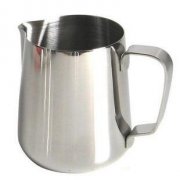
How to Choose and Hold a Milk Pitcher for Latte Art
Find the best milk pitcher for latte art with key buying tips and the right grip. Learn which spout, size, and handle works best for control.

How to Do Latte Art: Tools, Techniques & Setup
Learn the two main latte art methods—free pouring and etching—and the essential tools including steam wands, milk pitchers, and grinders.

How to Make 7 Classic Fancy Coffee Drinks
Step-by-step recipes for cappuccino, latte, mocha, macchiato, Irish coffee and more, with exact ratios, techniques and serving tips.
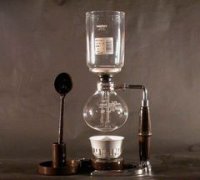
How to Brew Coffee: Methods From Siphon to French Press
Explore six classic coffee brewing methods—siphon, pour-over, cloth filter, drip, moka pot, and French press—with exact steps and science behind each.
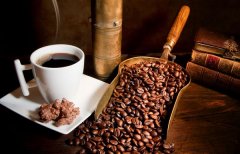
How to Taste Coffee Like a Pro
Learn how to properly assess coffee clarity, flavor, and body with expert tips on tasting steps and sensory evaluation.

Major Coffee Origins and Their Flavor Profiles
Explore the key global coffee-growing regions and their defining flavor traits, from Brazil’s neutral Santos to Ethiopia’s bright Yirgacheffe.

Common Coffee Flavors Explained
Explore 12 common coffee styles like espresso, cappuccino, and Vietnamese drip—each defined by preparation, roast, and flavor profile.

From Coffee Tree to Cup: The Full Journey of Coffee
Learn how coffee goes from tree to roasted bean, covering flowering, fruiting, processing, and roasting stages in detail.
How to Make a Tiramisu-Style Coffee at Home
Learn how to layer espresso, milk, syrup, foam, and cocoa into a classic tiramisu-inspired coffee drink with a step-by-step guide.