
Coffee Bean
Latest articles, industry insights and brewing guides
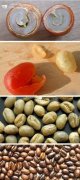
What Are Peaberry Coffee Beans and How Do They Form?
Peaberry coffee beans occur in 5–10% of coffee cherries, forming when only one seed develops. These small, oval beans often have intense acidity.
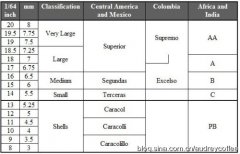
How to Buy Specialty Green Coffee Beans: 10 Key Tips
Learn 10 essential factors to inspect when selecting high-quality green coffee beans to ensure consistency, flavor, and processing integrity.

What Makes Guatemalan Coffee Unique?
Learn why Guatemalan coffee—especially Antigua—is among the world’s finest, with bold acidity, smoky depth, and volcanic terroir.

Elephant Dung Coffee vs Civet Coffee: What’s the Difference?
Find out how elephant dung coffee compares to the better-known civet coffee, including how both are made and why one costs more.
Sudan’s Traditional Coffee Rituals and Unique Brewing Style
Discover how Sudanese people brew and enjoy coffee with ginger, slow sipping, and communal charm in everyday life.

Papua New Guinea Coffee: Washed Arabica Beans
Papua New Guinea produces high-quality washed Arabica coffee with bright fruitiness and balanced acidity, grown at 1300–1800m in rich volcanic soil.

What Is Maragogipe? The Giant Specialty Coffee Bean
Maragogipe, or 'elephant bean', is a rare large-format coffee variety up to three times bigger than normal beans. Here’s what makes it unique.
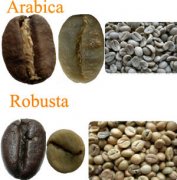
Why Good Coffee Can Be Robusta Too
Robusta gets a bad rap, but high-quality examples like India’s Kappi Royale prove it can deliver bold, clean flavors. Discover the truth.

New vs Old Coffee Beans: What’s the Difference?
Learn how coffee beans are categorized by freshness—from current crop to aged—and how age affects flavor, roastability, and your cup.

What Is Hand Sorting in Specialty Coffee?
Hand sorting removes defective beans to protect coffee flavor. It’s done before and after roasting, targeting impurities like stones, immature beans, and insect damage.

Common Defects in Specialty Coffee Beans Explained
Learn how to spot moldy, underripe, insect-damaged and other defective coffee beans that ruin cup quality and flavor.

Peaberry, Flat Bean & Elephant Bean: What’s the Difference?
Learn what makes peaberry, flat, and elephant beans unique in specialty coffee, from shape and size to roast behavior and flavor myths.

How Bean Size Affects Coffee Flavor and Freshness
Larger coffee beans often taste richer, but freshness matters more. Here’s how to choose the best beans by size, roast, and feel.

How to Sample Bagged Coffee Beans: Specialty Standards
Learn the official steps for sampling 10+ bags of coffee, including sample sizes, tools, and contamination checks for quality control.

Pea Berry vs Flat Bean: Specialty Coffee Anatomy Explained
Learn why some coffee beans are round (pea berry) while others are flat (flat bean), how they form, and why they're often sold separately.
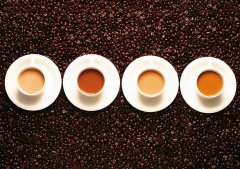
How to Tell If Your Coffee Is Good
Learn how to evaluate coffee like a pro—by aroma, flavor complexity, mouthfeel, and aftertaste. Avoid flat, bitter or dull cups.

How to Spot Defects in Green Coffee Beans by Sight
Learn how to visually inspect green coffee beans for defects using color, shape, and smell. This guide helps roasters and buyers assess quality.

The 9 Main Coffee Plant Species Grown Around the World
Discover the 9 known coffee plant species, including Arabica, Robusta, and Liberica, with details on growth altitude, flavor, caffeine, and yield.
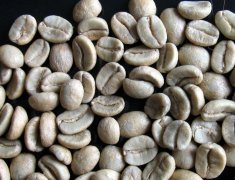
2005 Nicaragua CoE Winning Coffee Beans: What to Know
Learn why 2005 Nicaragua Cup of Excellence-winning beans are rare, how they’re roasted, and what makes them special among specialty coffee lots.

How Jamaican Law Defines Blue Mountain Coffee Grades
Learn how Jamaican law classifies Blue Mountain coffee by origin, bean size, and export packaging—plus which grades are real and which aren’t.