
Coffee Bean
Latest articles, industry insights and brewing guides

Why Hawaiian Kona Coffee Is Considered the World’s Most Beautiful Bean
Hawaiian Kona coffee beans are prized for their perfect appearance, rich flavor, and smooth, nutty profile with balanced acidity.
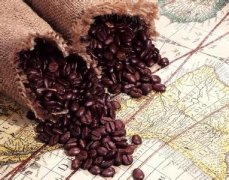
Why Light-Roasted Coffee Is Healthier Than Dark Roast
Scientific studies show lightly roasted coffee retains more health compounds. Over-roasting leads to bitterness and fewer benefits.

What Makes Hawaiian Kona Coffee So Special?
Hawaiian Kona coffee offers a bright, balanced cup with winey, fruity, and spicy notes—here’s why it’s among the world’s most distinctive single origins.

Two Key Coffee Grinding Tips Every Home Brewer Should Know
To get the best flavor from whole beans, focus on minimizing heat during grinding and achieving uniform particle size for consistent extraction.
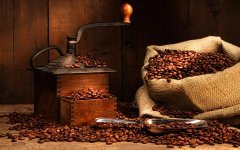
How to Read Specialty Coffee Bean Names
Discover why coffee beans have long, complex names. Learn what single origin, blend, roast level, and farm details really mean on your bag.

How to Tell If Your Coffee Beans Are Fresh
Learn how coffee freshness affects flavor, why beans go stale, and whether oily beans are fresh—or not. Includes brewing tips for old beans.
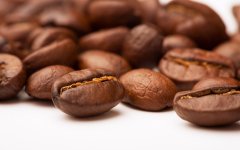
Different Brands of Kopi Luwak Coffee Beans Explained
Learn how to choose Kopi Luwak based on origin, processing, and freshness. Discover why wild beans taste better and how to avoid fakes.

What Is Special About Hawaiian Kona Coffee Beans?
Hawaiian Kona is a rare, premium single-origin coffee grown on volcanic soil in Hawaii. Learn what makes Full City roasted Kona unique in taste and texture.

What Is Special Grade Brazilian Coffee?
Learn why Brazilian coffee is so widely used: mild flavor, medium roast profile, and large green beans make it ideal for blends and beginners.
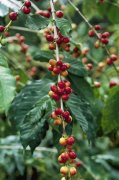
What Is Ethiopian Mocha Coffee? Key Facts You Should Know
Learn what makes Ethiopian Mocha coffee special: its fruity acidity, wine-like sweetness, and unique flavor profile from Ethiopia’s traditional processing.

What Makes Colombian Supremo Coffee Special?
Learn why Colombian Supremo beans, roasted City level, deliver bright acidity, rich sweetness, and bold, balanced aromas. Discover its visual and flavor profile.

Why Kopi Luwak Coffee Costs So Much
Kopi Luwak, or civet coffee, costs up to $50 per cup due to rare production, animal digestion, and limited annual supply under 400kg.

What Makes Kopi Luwak Coffee Unique?
Kopi Luwak coffee beans ferment in civet intestines, creating a thick, rich flavor due to unique bacterial activity. Learn what sets it apart.
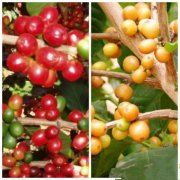
Swiss Coffee Blend Melodie: What Makes It So Smooth?
A lightly roasted Swiss coffee blend featuring Brazilian, Indian, and Indonesian beans creates a mild, creamy espresso with a relaxing drinking experience.

Single-Origin Coffee Beans: 5 Distinct Flavor Profiles
Explore five single-origin coffees including Jamaica Blue Mountain No.1, Sulawesi Toraja, and Tanzanian Kilimanjaro peaberry. Learn what makes each unique.
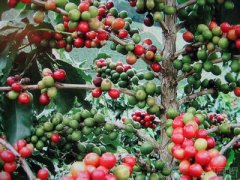
11 Coffee-Producing Countries Explained in Detail
Discover the unique profiles and histories of coffee from 11 countries, from Jamaica’s Blue Mountain to Kenya’s AA-grade beans.

The Three Major Coffee Bean Types Explained
Learn how Arabica, Robusta, and Liberica differ in origin, flavor, and use — and why origin matters more than you think in specialty coffee.

Guide to Specialty Coffee Bean Origins and Types
Explore 30+ global specialty coffee bean origins, flavor profiles, and brewing styles—from Brazilian Santos to Jamaican Blue Mountain.

Is Illy Coffee Safe and Reliable? Six Quality Guarantees Explained
Yes—Illy coffee meets six strict quality standards including 97%+ dryness, 0.05% max caffeine in decaf, and patented inert gas packaging for 3-year shelf life.
What Makes Asian & Oceanian Specialty Coffee Unique?
Explore the bold, earthy, and complex profiles of coffees from India, Indonesia, New Guinea, and beyond. Learn which beans deliver low acidity and rich mouthfeel.