
Coffee Bean
Latest articles, industry insights and brewing guides

Common Coffee Bean Types and Classic Drink Recipes
Discover 30+ coffee bean origins and classic coffee drinks, from Brazilian Santos to Viennese iced coffee, with flavor profiles and preparation details.

The Three Main Stages of Coffee Bean Roasting
Coffee roasting has three key stages: drying, first crack, and cooling. Each affects flavor, aroma, and the final cup profile. Learn how pros control heat and time.
What Is Arabica Coffee? The Basics Every Coffee Drinker Should Know
Arabica makes up 75% of global coffee but not all is premium. Learn how it differs from Robusta in farming, flavor, and price.
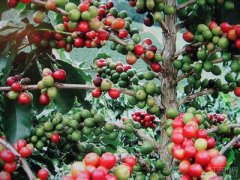
What Are Underripe Coffee Beans and How Do They Affect Flavor?
Underripe coffee beans, often green-tinted, produce unpleasant grassy and off-flavors. Proper drying helps mitigate their impact during storage.

What Is Coffee Cupping and How Does It Work?
Learn how professional coffee tasters assess quality through standardized cupping: grind, brew, smell, taste, and score each coffee sample.

Why and How to Blend Specialty Coffee Beans
Learn why roasters blend coffee beans—to improve flavor, balance defects, or maintain consistency—and how to do it thoughtfully without overcomplicating.
How to Describe Coffee Flavors by Region
Learn essential coffee tasting terms—like body, acidity, and sweetness—to understand flavor profiles of beans from different countries.
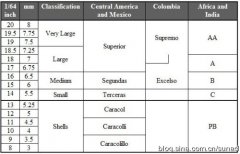
10 Key Factors When Selecting Green Coffee Beans
Learn 10 essential factors to inspect when buying green coffee beans, from size uniformity to processing details that affect cup quality.

How Dr. Illy Helped Define Modern Espresso Standards
Explore the origins of espresso standards set by Dr. Ernesto Illy, key sensory guidelines, and how extraction metrics shape modern espresso brewing.

How Grind Size Affects Coffee Brewing Methods
The grind size of coffee beans should match your brewing method—finer for espresso, medium for siphon, coarser for drip. Get it wrong, and your coffee suffers.

4 Key Principles for Grinding Coffee Properly
Good coffee grinding means choosing the right grind size, keeping heat low, ensuring uniformity, and grinding just before brewing.

How Long Should You Grind Coffee Beans? Ideal Timing & Grind Size Guide
Find out how long coffee beans stay fresh after roasting, when to grind them, and the optimal grind size for different brewing methods.

How to Store Coffee Beans and Keep Them Fresh
Keep your coffee beans fresh longer by avoiding light, air, moisture, and fridge storage. Learn the best container and shelf-life tips.
Why Fresh Coffee Beans Need Resting Time — The Coffee Rest Period Explained
Freshly roasted coffee beans need time to degas — typically 1–5 days for optimal flavor. Find out how long to rest your beans based on roast level and brew method.

How Beginners Can Choose Coffee Beans at Roaster Shops
Learn how to pick trustworthy roaster shops and buy coffee beans you'll love, with tips on roast freshness, tasting, and home brewing.
Why Roasting Is the Key to Great Specialty Coffee
Learn why roast profile and technique matter more than origin alone in crafting truly exceptional specialty coffee.

How Different Countries Prefer Their Coffee Roasts
From Tokyo’s mid-dark roasts to Vienna’s deep browning, discover how global cities shape their coffee roast profiles — and why some beans lose flavor when over-roasted.
Choosing the Right Coffee Grinder: Types and Tips
Explore the pros and cons of spiral, hand-crank, and burr grinders. Learn how grind consistency, heat, and cleaning affect your coffee’s flavor.
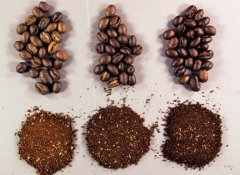
The 4 Key Principles of Proper Coffee Grinding
Learn why grind size, temperature, uniformity, and freshness matter—and how to grind coffee right for your brewing method.

How to Blend Coffee Beans for Better Flavor
Learn why and how specialty coffee roasters blend beans to improve taste, consistency, or reduce cost—without sacrificing quality.