
Coffee Bean
Latest articles, industry insights and brewing guides
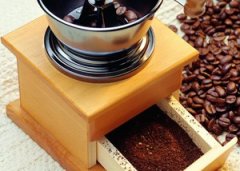
How Grind Size Affects Coffee Extraction Methods
Learn the ideal grind size for moka pots, pour-over, espresso machines, and more. Each brew method matches a precise coffee particle size.
How to Grind Coffee Beans: Burr, Blade, and Mortar Methods
Understand the pros and cons of burr, blade, and mortar coffee grinding methods for optimal flavor extraction.

How to Store Green Coffee Beans for Freshness
Optimal green coffee storage depends on moisture, temperature, and humidity. Keep beans at 11% moisture, 17°C, and 60% RH to preserve flavor.

How Ethiopian Coffee Beans Are Officially Graded
Learn how Ethiopia grades its auction coffee using physical and cup quality scores, and why Grade 1 doesn’t always mean the best cup.
How Long to Rest Coffee Beans After Roasting
Freshly roasted coffee needs time to degas. Learn how long to rest beans for optimal espresso and pour-over flavor, and why resting matters.
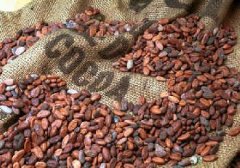
Why Freshly Roasted Coffee Beans Need Resting Time
Freshly roasted coffee beans need 1–5 days to degas before brewing. Optimal flavor peaks 2–3 weeks post-roast and fades within a month.

How to Smell Fresh Coffee Beans Before Buying
Smelling coffee through the valve helps judge freshness. A rich, lasting aroma means fresh, well-stored beans. Weak or off smells mean avoid.
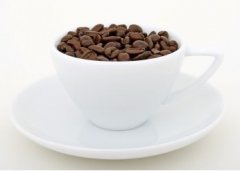
How to Ask the Right Questions When Buying Coffee Beans
Learn how to ask smart questions when buying coffee beans—about origin, variety, roast level, and grind—to find beans that suit your taste.
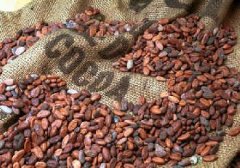
How to Assess Coffee Bean Freshness by Cutting and Chewing
Learn how to check coffee bean freshness, roast level, and uniformity by squeezing, slicing, and chewing them—a hands-on method for quality evaluation.

What Is Tannic Acid in Coffee Beans?
Tannic acid makes up around 7% of coffee bean chemistry. It’s water-soluble and breaks down when heated, affecting coffee flavor and freshness.

How to Grind Coffee Beans for the Best Flavor
Grind coffee right before brewing for peak freshness. Learn the ideal grind size for each brew method and why pre-ground coffee loses flavor fast.

How to Store Coffee Beans Properly When You Buy Too Many
Store coffee beans in a cool, dry place at room temp or freeze in small portions. Avoid air, heat, light, and moisture to preserve freshness.
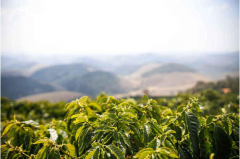
How to Tell Good Coffee Beans from Bad in 9 Key Steps
Learn 9 practical ways to assess coffee bean quality, from farm microclimate to roast freshness, and spot premium beans with confidence.

What’s Inside a Coffee Bean? Full Chemical Breakdown
Discover every major component in a coffee bean — from water and caffeine to lipids and acids — with exact percentages and how roasting transforms them.

Where Coffee Is Grown Around the World: Major Origins Explained
Explore the world’s key coffee-producing countries, from Brazil to Ethiopia, with details on bean types, flavor profiles, and regional traits.
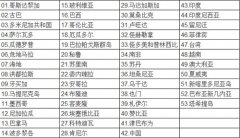
The 53 Coffee-Producing Countries Every Coffee Drinker Should Know
Discover the 53 recognized coffee-producing countries and key facts about where your coffee comes from and why origin matters.
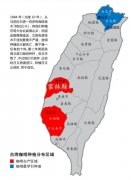
Where Is Coffee Grown in Taiwan? Regional Breakdown
Taiwan grows coffee across five key regions, each with distinct climate and elevation profiles influencing bean profiles.

Guatemala’s Eight Coffee Regions and Their Flavor Profiles
Explore the unique cup characteristics of Guatemala’s eight coffee-growing regions, from volcanic Antigua to humid San Marcos.

Rare Coffee Varieties More Valuable Than Blue Mountain
Discover eight rare and expensive coffee varieties, including Napoleon from St. Helena and Geisha from Panama, prized for scarcity and unique profiles.

How Caffeine Boosts Muscle Strength in Older Adults
Research shows caffeine can enhance muscle strength in older adults, reducing fall risk. Findings from mouse studies suggest up to 250mg daily helps.