Coffee Bean
Latest articles, industry insights and brewing guides

How to identify good coffee beans and select coffee beans
No matter what kind of coffee beans, freshness is an important factor affecting the quality. When shopping, grab one or two coffee beans and chew them in your mouth. If the coffee beans are crisp and sound, and the tooth pods stay fragrant is the top grade, but it is best to squeeze them with your hands to feel whether they are solid, rather than buying empty-shell coffee. If the coffee bean has lost its fragrance or smells stale, it means
How to identify good coffee beans? And pick coffee beans.
No matter what kind of coffee beans, freshness is an important factor affecting the quality. When shopping, grab one or two coffee beans and chew them in your mouth. If the coffee beans are crisp and sound, and the tooth pods stay fragrant is the top grade, but it is best to squeeze them with your hands to feel whether they are solid, rather than buying empty-shell coffee. If the coffee bean has lost its fragrance or smells stale, it means
Nicaraguan competition wins coffee beans Nicaraguan coffee beans
Nicaragua Nicaragua 2005 CoE (Cup of Excellence) competition winning coffee beans, that is, the competition winning coffee beans, the output is very small, relatively rare. The appearance is very neat, basically do not need to pick, it is recommended to bake around the middle of the bean, cinnamon roast cinnamon baking degree. Nicaragua, Nicaragua, because of many lakes and volcanoes, there are volcanic lakes.
The most direct factor determining whether coffee beans are sour or bitter is the roasting of coffee beans.
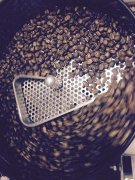
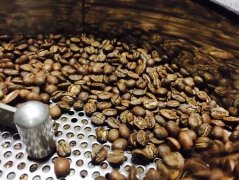
The raw coffee beans are roasted to make the coffee show a unique coffee color, aroma and taste. The most important thing about baking is to be able to stir-fry the inside and outside of the beans evenly without overscorching. It is no exaggeration to say that 80% of the taste of coffee depends on roasting, which is the most important and basic condition for making coffee. Roasting is a deep knowledge. Many coffee roasters study coffee roasting all their lives, but
The roasting Tips of Espresso Coffee beans: a knowledge of mixed beans
Talking about mixed beans when we talk about baking espresso beans, we are actually talking about the science of mixed beans. The highest sweet spots of all kinds of coffee beans from different countries appear at different baking points, so bakers must find a balance between baking and mixing beans in order to make a good espresso. First of all, this subject should be based on the degree of baking and the selection of beans.
Raw bean treatment of coffee washed with water, semi-washed, insolated and honey
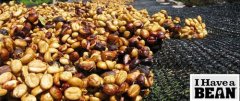
The first is dry treatment (secado), also known as natural all-day exposure (natural). After the coffee fruit is actually picked, it is dried directly in the sun. According to the weather conditions, it is generally necessary to dry the coffee beans for 2 weeks to reduce the water content of the coffee beans to 10%, 12%, and then use a machine to remove the dried peel and pulp. The raw bean processing plant (beneficio) usually retains the sheepskin on the outside of the coffee beans when the raw beans are stored.
The picking of coffee beans coffee beans are the seeds of coffee trees.
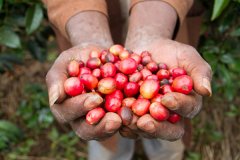
Coffee beans are the seeds of coffee trees. After three or four years of growth, the coffee tree matures and begins to bear fruit, with one fruit arranged in clusters or clusters along the branches. The outside of the seed is a layer of peel, which can be picked as soon as it turns red. Under the red skin (exocarp) there is a layer of pulp (mesocarp), which is a small thin layer, and then a layer of material endocarp like parchment. In
Common sense of the difference between Blue Mountain, Mocha and Manning Coffee beans
This is the name of the coffee item.. Coffee named after the place of origin.. In fact, most coffee beans are named after places of origin or distribution centers. Blue Mountain Coffee is the best coffee in the world. The Blue Mountains are located in the eastern part of the island of Jamaica, because the mountain is surrounded by the Caribbean Sea. Whenever the weather is clear, the sun shines directly on the blue sea, and the peaks reflect the sea water.
How to make a good cup of coffee beans at home
Seeing the solicitation of coffee in the topic of experience, I can't help but recall my experiences of drinking coffee in the past few years: from the black history of drinking McDonald's coffee in the middle of the night when I was in primary school, to report to the cafe every day for a period of European life, and then to start messing with all kinds of coffee at home, and finally I can no longer drink too strong coffee because of my health.
Coffee bean purchase strategy coffee bean grade division
Next, let's talk about the varieties of coffee beans. There are many varieties of coffee beans, some are sour, some are sweet, some are bitter, and some have some special aroma. As I mentioned earlier, I personally think that there is no uniform standard for the classification of coffee beans. Different people have their own ruler for good coffee according to their preferences for sour, sweet and bitter taste. In this article, I will follow my own
How to evaluate the taste of coffee?
The taste of individual coffee has something to do with coffee beans, sour and bitter often vary from person to person, there is no clear standard, and to be honest, I am not interested in single coffee. So let me also talk about the standard of espresso. Espresso refers to the use of carefully matched mixed beans to make espresso, based on which various kinds of coffee are derived. So the key point of its judgment
Coffee Encyclopedia beans and grading of Ethiopian Coffee
The grading we are talking about now refers to the grading of raw beans in the country where coffee is produced. (no matter which country coffee beans are not graded) Ethiopian coffee beans are divided into five grades. The first and second stages are reserved for washing beans with water. Grade 1 represents 0-3 raw beans and Grade 2 represents 4-12 missing beans per 300g raw beans. Grade 1 (G1) grade water washed bean pole
How is the coffee graded? who is in charge of grading? How is it graded?
Select coffee is usually the top coffee, but what does the top coffee represent? Who is in charge of grading? How is it graded? Although grade is not the only criterion for distinguishing flavor, it is still a quite objective index. First, why there are different ways of managing the origin of graded coffee, some are composed of large and small farmers, and some are dominated by specialized enterprises. Even if the coffee in the same place
Why do coffee beans have to grow beans in their whole life?
Food has its shelf life, coffee beans generally have a shelf life of one year, but for those who pursue high-quality coffee, just quality is obviously not enough, so how long is the life cycle of coffee bean flavor? Is the coffee bean as fresh as possible? Source of freshly baked coffee: Wang Zhendong [Click to enlarge] friends who like red wine all know that good red wine needs to be drunk 1 in advance.
Sellers of raw coffee beans observe the 10 elements of raw coffee beans
Sellers of raw coffee beans are mainly responsible for grading coffee beans before selling them to coffee bean sellers. After the grading is completed, premium coffee beans and boutique coffee beans will be selected, although they will have some defects but do not affect the coffee rating. These defects are not so serious, but they can also cause potential damage to the quality of coffee. Although Cupping is undoubtedly the most clear way to check coffee beans.
Classification and Taste of Coffee beans
The origin of Yirgacheffe coffee beans: although it is petite, it is gentle and delicate, sweet and lovely. As the hometown of coffee, thousands of years of planting history and processing tradition in Ethiopia have created high-quality washed Arabica beans. Light baking has unique sweet aromas of lemon, flowers and honey, soft acidity and citrus flavours.
How to grade the coffee beans after honey treatment?
The honey treatment of raw coffee beans is to remove the peel and pulp and retain some or all of the mucous membranes (honey). Today, some Costa Rican growers grade honey-treated coffee beans according to the color of the coffee. There are three levels: yellow, red and black. The change in color results from the length of light during the drying process of coffee. Methods / steps the illumination of raw coffee beans treated with yellow honey
Is the grading standard of boutique coffee defined by SCAA so strict?
You love coffee, but you may not know or think of it, in fact, coffee beans have a lot of defects, and a variety of defects, all kinds of strange. There are many reasons for defects. Defects may affect our taste experience of coffee at different levels, and may also affect our health. However, many defects that can be clearly seen in raw beans can be quickly invisible once baked.
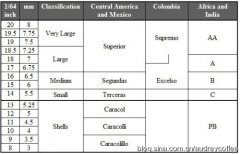
Coffee Raw Bean sieve grading Table (SCREEN SIZING)
Coffee is produced in more than 50 countries in the world, and different standards of raw bean classification have been derived, of which the most basic common classification method is the Screen Sizing classification method based on the particle size of raw coffee beans. The raw beans to be graded are put into the sieve plate and shaken continuously. Only the raw beans whose particles are larger than the pore diameter are retained, and the rest fall down.
Colombian coffee raw bean grading method
One: according to the defect rate, the number of defective beans allowed per 500 gr sample:-Private raw bean exporter: 72 defects-National Coffee Council: 42 defects defective beans are divided into two types:-first: known as first-level defects-second: called second-level defects first: main defects (defects that affect coffee taste characteristics): black beans, moldy beans.