
Coffee Bean
Latest articles, industry insights and brewing guides

How Coffee Beans Are Graded Around the World
Learn how countries like Kenya, Colombia, and Ethiopia grade coffee beans by altitude, size, and origin — and what those labels really mean.
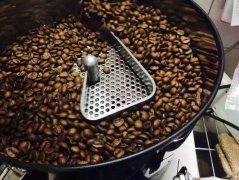
What Do Coffee Bean Grades G1 to G4 Actually Mean?
Learn how coffee grades like G1, G2, G3, and G4 relate to processing—not just quality—and why 'Grade 1' is extremely rare.
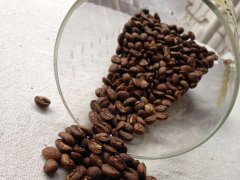
How Green Coffee Beans Are Graded by Size and Altitude
Green coffee is graded by two key methods: screen size and growing altitude. Here’s how each system works, with full numbers and regional examples.
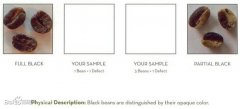
SCAA Coffee Bean Defects and Specialty Grading Explained
Learn how SCAA classifies specialty coffee grades and identifies 13 common bean defects that affect cup quality and scoring.
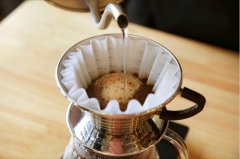
How to Choose Coffee Beans That Match Your Taste
Discover how to pick the right coffee beans based on flavor, origin, and roast style. Learn which beans suit bold, mild, or balanced tastes.

Acidic Coffee Beans: Origins and Flavor Profiles
Discover which coffee origins produce bright, acidic profiles—like Yemen’s Mocha, Kenya, and Guatemala—and why light roasting enhances their fruitiness.
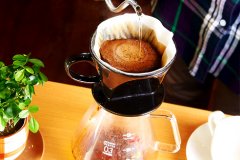
How Coffee Bean Harvest, Processing & Storage Affect Quality
From harvest to storage, learn how farming practices, processing methods, and bean care determine your coffee’s flavor and freshness.
How to Store Coffee Beans Using CO₂ Buoyancy
Learn how to preserve fresh coffee beans by leveraging carbon dioxide’s natural buoyancy and avoiding common storage mistakes.

How Storage Conditions Affect Coffee Bean Quality
Water and oxygen are the biggest threats to coffee bean freshness. Learn how to store beans properly to preserve flavor and aroma.
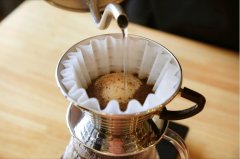
Top 10 Single Origin Specialty Coffees Ranked
Discover the world’s most acclaimed single origin coffees, from Jamaica’s Blue Mountain No.1 to Yemen’s Mokha Mattari, ranked by flavor and prestige.

Single Origin Coffee Bean Profiles Explained
Explore key flavor traits of 15 single origin coffee beans, from Ethiopian Yirgacheffe to Jamaican Blue Mountain. Learn what makes each unique.
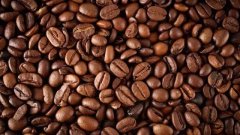
16 Single-Origin Coffee Beans from Around the World
Explore 16 unique single-origin coffees, from Rwanda’s fruity Kivu to Yemen’s bold Mocca, with flavor profiles and processing methods for each.

Which Coffee Beans Have the Most Acidic Flavor?
Discover the top coffee origins known for bright acidity, including Yemen Mocha, Hawaiian Kona, and high-grown Guatemalan and Costa Rican beans.
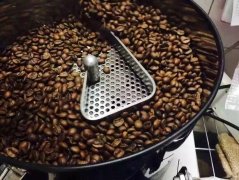
How Roast Color Charts Guide Blended Coffee Flavors
Learn how roasters use blend design and roast color charts to balance flavors, ensure consistency, and manage costs in mixed coffee.
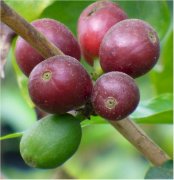
What Is Arabica Coffee? The World’s Most Popular Bean Explained
Arabica coffee makes up 70–80% of global production. Learn where it grows, why it tastes better, and how it became the world’s favorite bean.
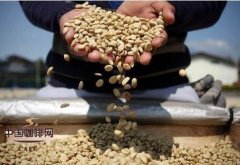
Arabica vs Robusta Coffee Beans: Key Differences
Learn the real differences between Arabica and Robusta coffee beans—growing conditions, flavor, price, and caffeine content explained.
Arabica vs Robusta Coffee: What’s the Real Difference?
Learn how Arabica and Robusta coffee beans differ in flavor, caffeine, growing conditions, and brewing performance — with key facts for specialty coffee drinkers.
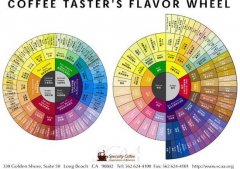
How to Tell Good Coffee Beans from Bad
Learn how to spot quality coffee beans—without expert jargon—by focusing on flavor clarity, freshness, and sensory traits that matter.
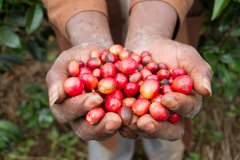
The 3 Coffee Species: Arabica, Robusta, and Liberica
Learn the differences between the three major coffee species—Arabica, Robusta, and Liberica—including flavor, caffeine, regions, and plant traits.
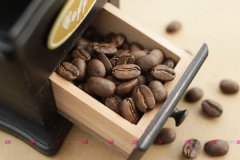
How to Choose Coffee Bean Varieties and Ratios for Blends
Learn how to balance acidity and sweetness, select beans by role, and determine ratios through cupping and machine testing for great espresso blends.