
Coffee Bean
Latest articles, industry insights and brewing guides

What Does Lao Robusta Coffee Look Like?
See photos and learn about Lao Robusta coffee beans, their origins, roast styles, and brewing potential. Includes visual reference and practical notes.
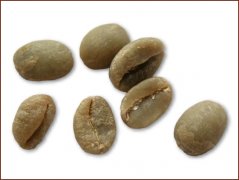
Mocha Coffee Beans: Images and Facts from Ethiopia
Explore real images and details about Mocha coffee beans from Ethiopia, including their origin and visual traits. See examples from Sidamo and Yirgacheffe.
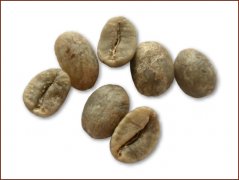
What Do Nicaraguan Coffee Beans Look Like?
See what Nicaraguan coffee beans typically look like, with details on origin, processing, and visual traits shown in sample images.
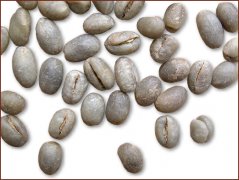
What Is Pea-Shaped Coffee Bean and Why Does It Happen?
Pea-shaped coffee beans, or peaberries, occur when a coffee cherry produces a single rounded bean instead of two flat ones. Here’s how and why.
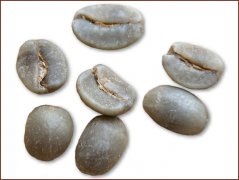
What Does Polished Coffee Bean Surface Look Like?
Explore whether coffee beans are polished and what the shiny surface really indicates. Discover the facts behind polished-looking beans with visual examples.
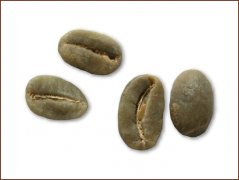
What Are Typica Coffee Beans? Illustrated Guide
Discover what Typica coffee beans really are, their flavor traits, origin history, and where they stand among other Arabica varieties.

Honduras Coffee Beans: Flavor Profile & Key Traits
Learn why Honduras coffee offers gentle floral fruitiness, medium acidity, and smooth balance—plus where it ranks among Central American beans.

What Does Brazilian Santos Coffee Taste Like?
Brazilian Santos is a balanced, low-acid coffee with nutty sweetness, medium body, and long finish. Great for espresso blends or single-origin brewing.

Mambo Coffee Blend: Flavor Profile Breakdown
A 50/50 Mandheling-Brazil blend with bold body, rich crema, and a sweet finish. Learn why it’s Taiwan’s top-selling everyday espresso.

Colombia Excelso Coffee Beans: Bright Acidity & Sweet Notes
Learn why Colombia Excelso beans deliver bright acidity, milk sugar aromas, and caramel sweetness from high-altitude growing.
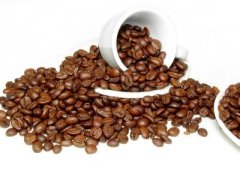
How to Choose Fresh Coffee Beans for the Best Cup
Freshness matters. Learn how to buy and store roasted coffee beans to preserve aroma and flavor for your best cup yet.

How Coffee Buyers Cup Test Dozens of Samples Quickly
Learn how specialty coffee buyers assess dozens of coffees fast using the standardized cupping method, based on aroma, body, and flavor.
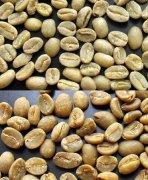
How Coffee Beans Are Graded: Size and Altitude Methods
Coffee beans are graded by screen size or altitude. Sizes range from 8 to 29, with larger numbers indicating bigger beans. Altitude grades include HB and SHB for high-grown quality.
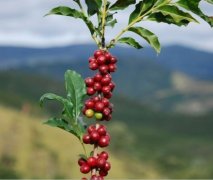
Where Do Coffee Beans Come From? A Global Guide
Explore the origins of coffee beans from Ethiopia to Jamaica, with key flavor profiles and regional processing styles explained.
How Origin Affects Specialty Coffee Flavor Profiles
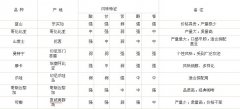
Discover how climate, soil, and processing shape the unique taste characteristics of Arabica coffee from major global growing regions.
Main Coffee Beans in the Taiwanese Market
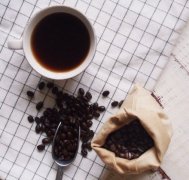
Explore Taiwan’s top coffee beans: Blue Mountain, Colombia, Mandheling, and more. Learn origins, flavors, and what makes each unique.

Anatomy of a Coffee Bean: Internal Structure Explained
See inside a coffee bean: we break down the coffee cherry’s layers and explain the anatomy of green coffee, from pulp to silver skin.

Hawaii: The Only U.S. State That Grows Coffee
Hawaii is America’s only coffee-growing state, thanks to its volcanic soil and tropical climate. Learn why it’s uniquely suited for coffee.

Uganda to Vietnam: Specialty Coffee Origins Explained
Explore Uganda, Venezuela, Vietnam, Yemen, Zambia, and Zimbabwe—six lesser-known coffee origins—and learn how their beans differ in flavor, production, and global role.

Where Specialty Coffee Beans Come From: Key Origins
Discover the major coffee-producing countries for specialty Arabica, their key regions, and what makes their beans unique.