
Specialty Coffee Beans
Latest articles, industry insights and brewing guides

Indonesian Mandheling Coffee: What Makes It Unique?
Learn why Mandheling coffee, especially from Sumatra’s highlands, stands out with its bold body, low acidity, and signature earthy sweetness.

Vietnam Coffee Guide: Flavor, Brands & Brewing Facts
Explore Vietnam’s signature coffee profile—low acid, creamy, bold—with key brands like G7 and Vinacafe, plus how traditional and modern methods shape the cup.

What Makes Guatemalan Coffee Special?
Explore the unique profile of Guatemalan coffee, known for its bright acidity, complex fruit notes, and smoky finish from eight distinct volcanic and highland regions.

What Makes Java Coffee Special? Flavor & Origin Guide
Java coffee offers a balanced, aromatic cup with subtle sweetness and nuttiness. Learn what defines this classic Indonesian single origin.
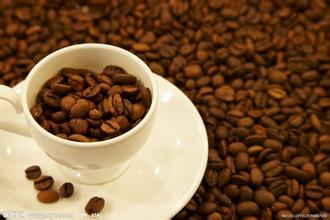
High-Altitude Costa Rican Coffee: Flavor & Processing Facts
Costa Rica’s high-altitude coffee grows sweet, acidic, and complex. Learn why Tarrazú beans stand out and how honey processing shapes their profile.

What Makes Hawaiian Kona Coffee So Special?
Hawaiian Kona coffee offers bright acidity, rich sweetness, and a smooth mouthfeel due to its volcanic soil and careful cultivation.

What Makes Colombian Coffee Beans Specialty Grade?
Colombian coffee is a benchmark for washed Arabica, grown across diverse high-altitude regions with distinct flavor profiles. Here’s what sets it apart.

What Makes Kenyan Coffee So Distinctive?
Kenyan coffee stands out for its bold acidity, complex fruit flavors, and unique SL varieties grown at high altitudes.

Brazilian Coffee Aging: Why Older Beans Taste More Acidic
Older Brazilian coffee beans develop more pronounced acidity. For the best flavor, drink them fresh—within months of roast.

Cuban Crystal Mountain Coffee: Where It’s Grown & What Makes It Unique
Discover the origins, processing methods, and flavor profile of Cuban Crystal Mountain coffee, often compared to Jamaica Blue Mountain.
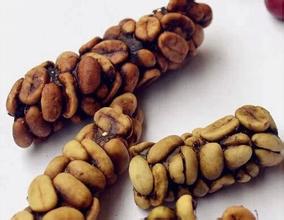
What Is Kopi Luwak Coffee and How Is It Made?
Kopi luwak is made from coffee beans eaten and excreted by the Asian palm civet. Find out how it’s processed and what makes it unique.

How to Brew Jamaica Blue Mountain Coffee
Learn the optimal brewing method for Jamaica Blue Mountain No.1 coffee, including grind size, water temp, and a step-by-step three-pour technique.
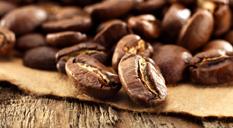
What Is Ethiopian Geisha Coffee? Origin & Traits
Learn where Ethiopia’s rare Geisha coffee comes from, why it’s prized, and how its wild origins shaped today’s high-scoring specialty beans.

What Makes Ethiopian Coffee Beans So Unique?
Discover why Ethiopia produces some of the world’s most distinctive Arabica coffee, with bright acidity, floral aromas, and wine-like complexity.
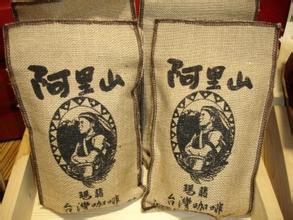
Alishan Mafeel Coffee: Taiwan’s Ranked Specialty Bean
Learn why Alishan Mafeel coffee ranks eighth globally and first in Asia, with details on its unique terroir and flavor profile.

Yemeni Moha Coffee: Origins, Varieties & Unique Flavor
Yemeni Moha coffee is grown at over 3,000 feet, sun-dried on-tree, and stone-hulled by hand. Discover its rare varieties and bold flavor profile.
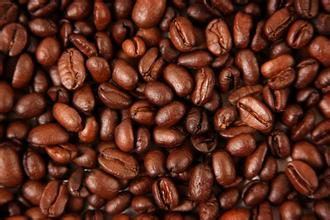
Kilimanjaro Coffee Taste Guide and Quality Standards
Learn what defines great Kilimanjaro coffee, how to assess freshness, and how to evaluate its flavor profile like a specialty professional.

What Makes Indonesian Mandheling Coffee So Bold?
Discover why Mandheling coffee is famed for its bold, low-acid profile, earthy depth, and thick body — and why it's a staple in specialty blends.
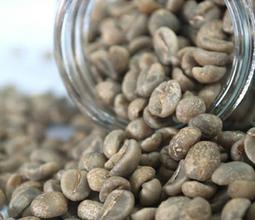
Washed vs Natural Coffee Processing Methods Explained
Learn how washed and natural processing shapes coffee flavor, from fermentation times to drying durations and moisture targets.

What Makes Geisha Coffee So Aromatic and Flavorful?
Geisha coffee’s signature floral, fruity, and creamy flavors come from its Ethiopian roots and careful cultivation in Panama. Here's how it became iconic.