
Specialty Coffee Beans
Latest articles, industry insights and brewing guides

Where Is Yunnan Coffee Grown in China?
Yunnan produces 83% of China’s coffee from just 70% of its coffee-growing land. Discover the key regions and why it’s globally unique.

Ethiopia’s Yirgacheffe Coffee Region: Zones & Flavors
Explore Ethiopia’s Yirgacheffe coffee zone, including its subregions like Kochere, and learn how elevation and cooperatives shape its signature flavors.

How Much Is Yirgacheffe Kochere Coffee Per Pound?
Yirgacheffe Kochere washed G2 coffee typically costs around $8–$12 per pound retail. This Ethiopian microroast region scores 94 on CoffeeReview.

How Much Is Ethiopian Natural Yirgacheffe Coffee Per Pound?
This Ethiopian G1 natural Yirgacheffe from Aricha costs around $10–$13 per pound retail. Learn how it’s processed and what makes it special.

Jamaica Blue Mountain and Caribbean Specialty Coffee Guide
Learn why Jamaica Blue Mountain is the world’s most sought-after coffee, how it compares to Puerto Rico and Dominican Republic beans, and what makes them special.

Honduras and Panama Coffee: Flavor Profiles and Origins
Explore the unique flavors and rising reputations of Honduran and Panamanian specialty coffee, with notes on altitude, processing, and brewing versatility.

Indonesia’s Famous Coffee Regions: Java and Sumatra Mandheling
Explore Indonesia’s key coffee regions—Java, Sumatra Mandheling, and Sulawesi—with details on flavor profiles, processing, and rare Kopi Luwak.

Where Coffee Originated: Ethiopia's Wild Arabica Beans
Ethiopia is the birthplace of coffee, home to wild-growing Arabica beans with fruity, wine-like notes. Discover its key regions and rare varieties.

Panama’s Ileta Estate SHB Catuai Washed Coffee
Explore the unique flavors of Panama’s Ileta Estate SHB Catuai washed coffee, grown near Costa Rica with floral, fruity complexity.

How Typica Coffee Reached Panama in 1780
Europeans introduced the first Typica trees to Panama in 1780, launching the country’s coffee legacy—learn how it evolved into today’s elite Boquete-grown lots.

How to Choose Specialty Coffee Beans: Geisha Washed from Panama’s QingSheng Estate
Discover why the 92.3-point Geisha from Panama’s QingSheng Estate won Best of Panama in 2011—and how to pick standout single-origin beans.

Best Panamanian Coffee Beans Recommended by Chinese Coffee Experts
Discover the top Panamanian coffee beans recommended by Chinese experts, featuring washed Geisha from Finca Amor y Pasión in high-altitude Boquete.

Best Nicaraguan Coffee Blends Recommended for Commercial Use
Nicaragua produces balanced, aromatic medium-bodied beans, ideal for commercial espresso blends. Learn which regions and beans perform best.

Mexico’s Best Coffee Comes From Its Southern Highlands
Discover where Mexico grows its best coffee, why southern regions like Chiapas lead, and what makes its beans unique.

What Makes Jamaican Blue Mountain Coffee So Special
Learn why Jamaica Blue Mountain coffee commands premium prices and how to brew it for the best flavor.

Is Jamaica Blue Mountain the Best Coffee in the World?
Jamaica Blue Mountain is famous for its balance and rarity, not just its price. Here’s why it’s legendary among specialty coffee drinkers.
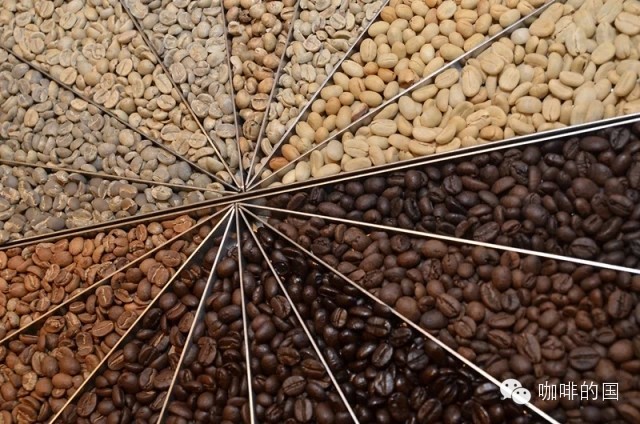
Honduras San Juan Xi Duo No.1 Washed Bourbon Beans
Explore Honduras San Juan Xi Duo No.1 washed Bourbon coffee: grown at 1450–1550m, with notes of roasted nuts and milk chocolate.
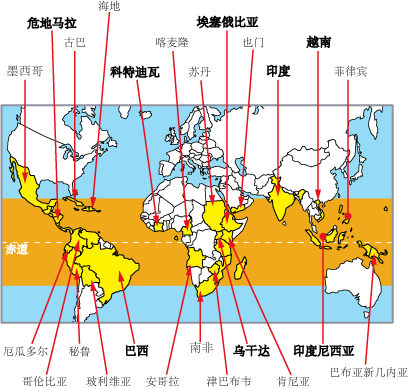
Which Coffee Beans Does China Recommend? Haiti, Jamaica, Americas
Haiti produces wild-grown coffee with mild flavor, while Jamaica’s Blue Mountain is premium and tightly controlled. Here’s what makes them special.

How to Choose Mandheling Coffee Beans from Indonesia
Learn how to pick top-quality Mandheling beans, including the famous PWN Golden Mandheling and Lintong varieties, based on origin, processing, and flavor.
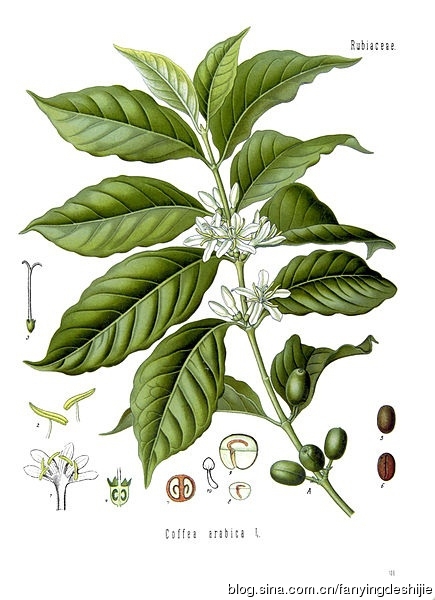
How Coffee Flowers Lead to Red Fruit: A 2–3 Year Journey
Coffee trees typically bloom in their second or third year, producing flowers before ripening to red fruit. Harvests come 2–3 years after planting, with overlapping green, flower, and red stages.