
Specialty Coffee Beans
Latest articles, industry insights and brewing guides
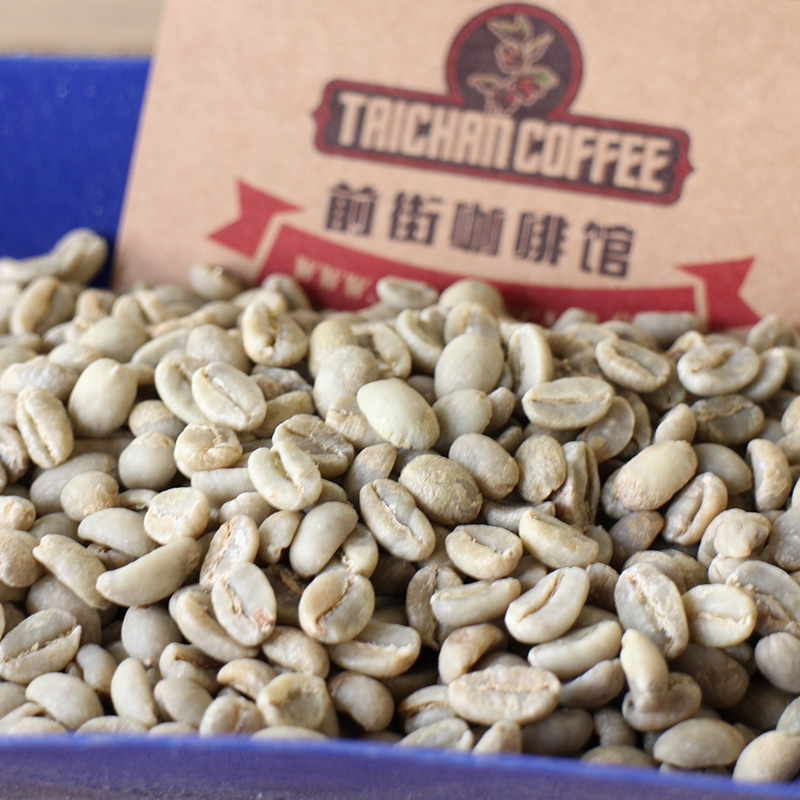
Kenya AA Washed Coffee: Flavor, Farming & Processing Secrets
Kenya AA coffee delivers bold acidity, deep fruit notes, and wine-like complexity. Learn why it’s prized, how it’s processed, and what makes it unique.
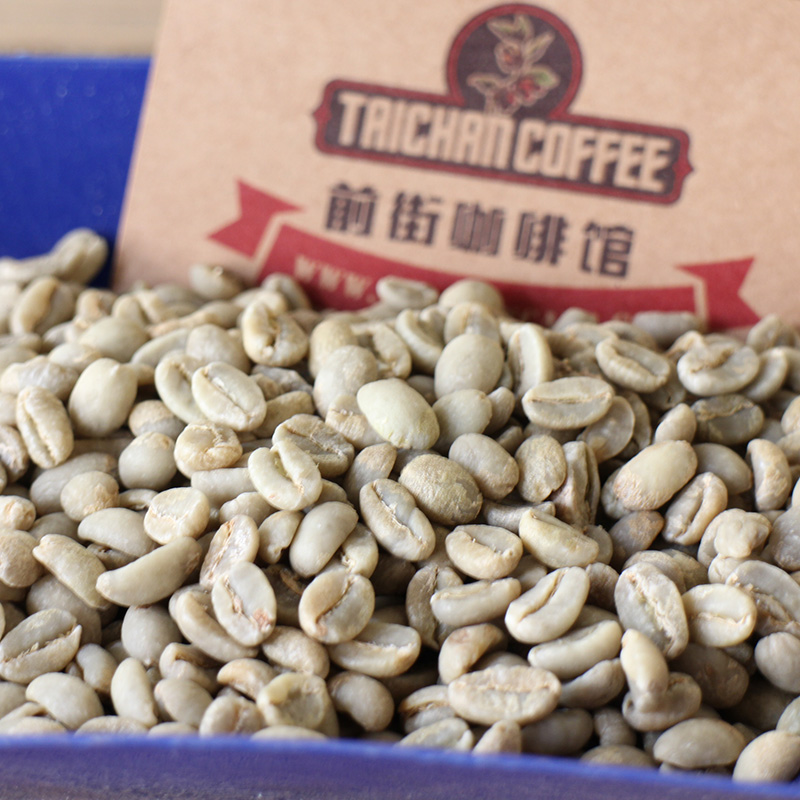
Ninety Plus NistuRuz Washed Process Coffee Beans
Explore the unique washed NistuRuz coffee by Ninety Plus, known for its high fruit intensity and rare processing profile.
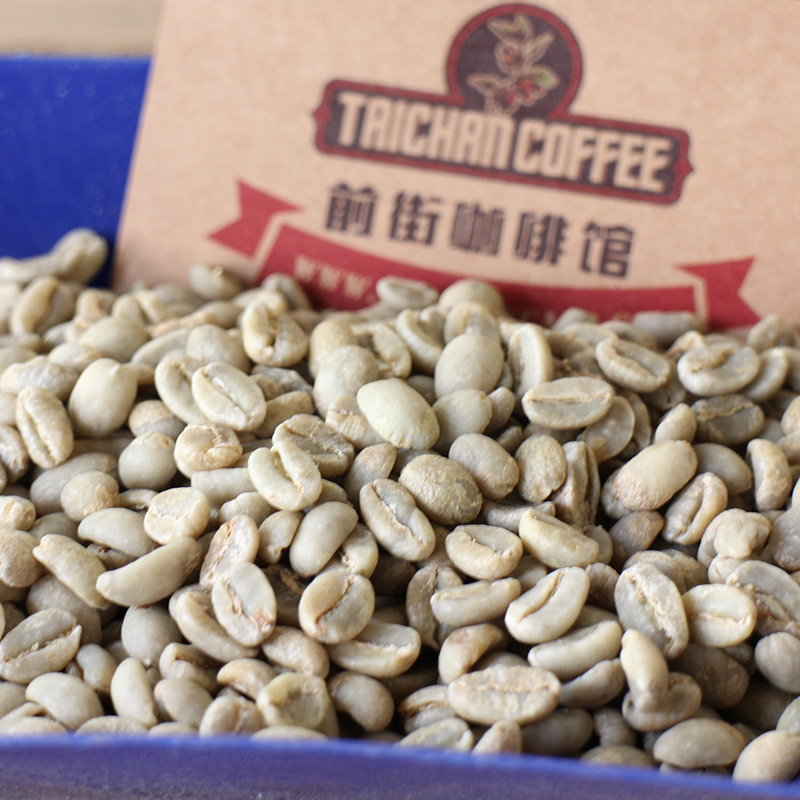
Yirgacheffe Kochere Washed G1 Coffee: What Makes It Special?
Explore Ethiopia’s Kochere, a top-tier Yirgacheffe micro-region known for vibrant citrus, floral aromas, and sweet tea-like flavors in washed G1 grade beans.

Indonesian Mandheling and PWN Golden Mandheling Coffee Beans
Explore the bold profiles of Lintong Mandheling and ultra-clean PWN Golden Mandheling, Indonesia’s top specialty coffees from Sumatra.

Yirgacheffe Coffee: Ethiopia’s Origin Washed Arabica Beans
Explore the floral, citrusy profile of Yirgacheffe coffee, Ethiopia’s most famous washed Arabica, with bright acidity and tea-like body.
How to Brew 30% Geisha Coffee from Boquete, Panama
Learn how to brew delicious 30% Geisha-blend coffee from Boquete, Panama, with tips on grind, water temp, and step-by-step methods.
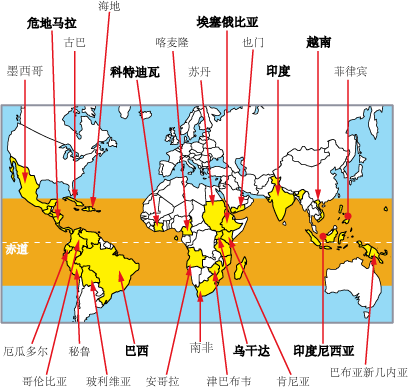
Haiti Blue Mountain Coffee: Rich, Mild SHG Beans from Port-au-Prince
Learn how Haiti’s rare SHG ‘Blue Haiti’ and ‘Port-au-Prince’ coffees offer rich flavor and mild acidity, grown naturally in high-altitude mountains.
Arabica vs Robusta: The Two Coffee Bean Worlds
Learn how Arabica and Robusta differ in flavor, growing conditions, caffeine, and uses — with key numbers and origin details.
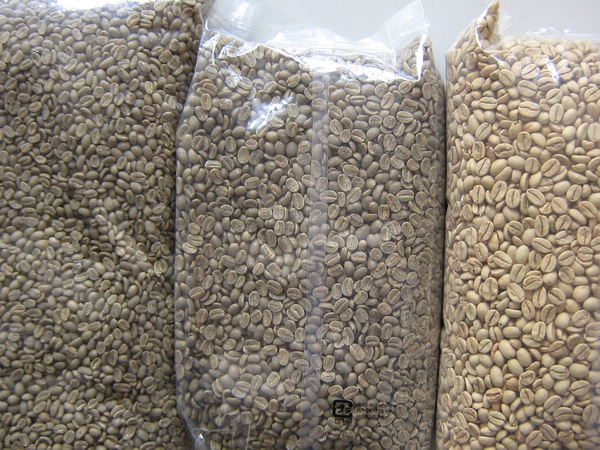
What Makes Jamaica Blue Mountain No.1 Coffee So Expensive?
Jamaica Blue Mountain No.1 is the world’s priciest coffee due to its limited supply, strict certification, and labor-intensive production. Here’s why it commands such high prices.
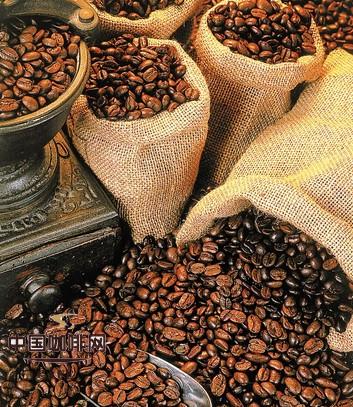
Brazil Coffee Varieties: From Bourbon to Catuai and World Output
Brazil grows mostly Arabica, including Bourbon and Catuai. Just 20% is Robusta. Most Brazilian beans are processed naturally and taste smooth and sweet.
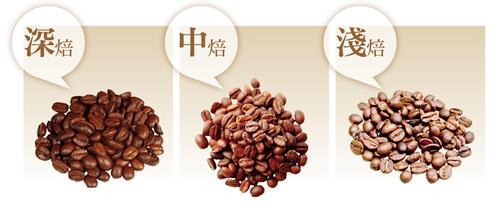
How Brazil Grades Coffee by Cupping Taste, Not Altitude
Brazil uses a unique flavor-based cupping system for grading coffee, not altitude or bean size. Here's how their 5-tier Softness Scale works.
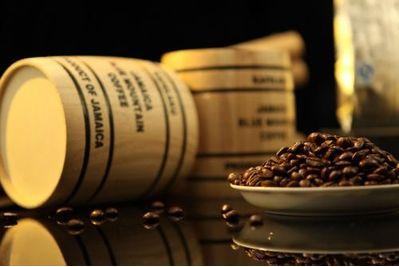
How Jamaica Blue Mountain Coffee Is Graded by Size and Defects
Jamaica Blue Mountain coffee is graded by bean size and defect rate—even within the legal region. Learn the No.1 to PB grades and why they matter.
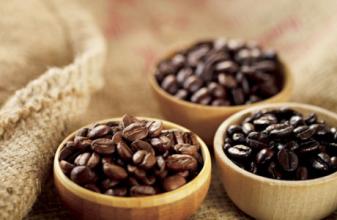
How Long Do Coffee Beans Stay Fresh? The Roast Life Cycle Explained
Freshness matters—but coffee peaks just 1–3 days after roast and lasts 2–3 weeks at best. Here’s when to brew and why 'too fresh' can taste off.
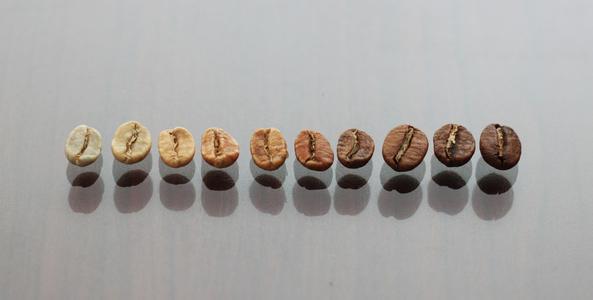
How Coffee Roasting Works: From First Crack to Second Crack
Learn how coffee beans transform through roasting stages—dehydration, first crack, second crack—and why each phase shapes flavor and aroma.
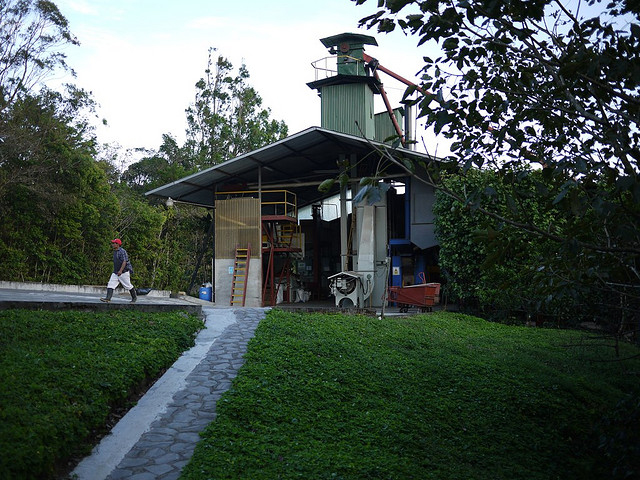
Ethiopia Gedeo Adado Natural Process Yirgacheffe G1
This Ethiopia Gedeo Adado G1 natural process coffee offers intense blueberry, honey, and floral notes with a sweet, juicy body.
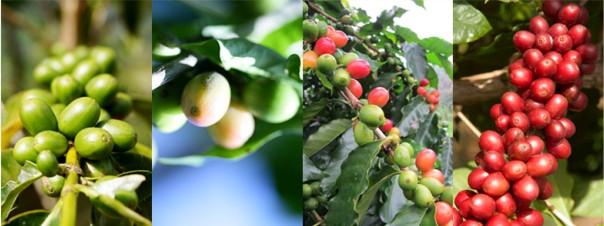
Washed Kochere Coffee from Yirgacheffe, Ethiopia
Discover Ethiopia’s high-scoring Kochere coffee, a Yirgacheffe micro-region with advanced processing and vibrant citrus-citrusy, floral profiles.
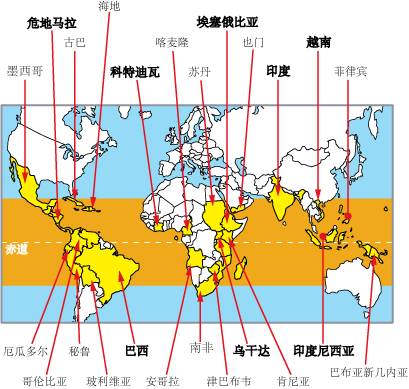
Sumatra Gayo 19-Mesh Mandheling Single Origin Beans
Explore the dense, herbal profile of Sumatra Gayo 19-mesh Mandheling beans grown at 1,100–1,300m with traditional wet hulling.
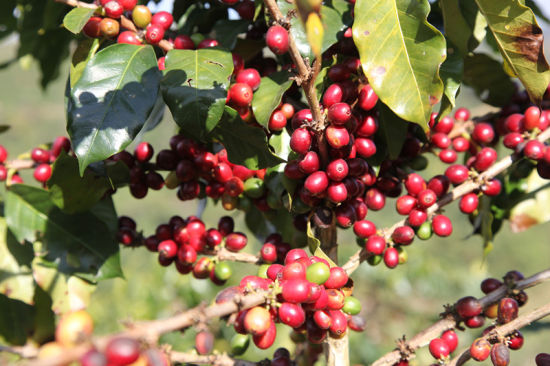
Madagascar’s Shift: From Robusta to Arabica Coffee Expansion
Madagascar mainly grows Robusta but plans to expand Arabica cultivation by 5,000 hectares. Learn how this island nation aims to grow premium coffee.
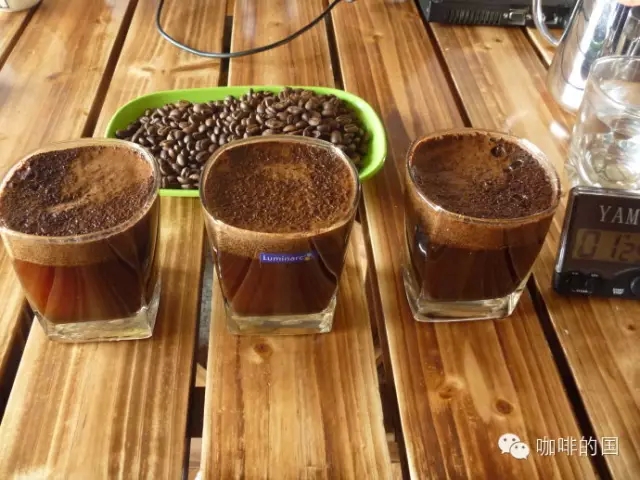
Ethiopia Yirgacheffe Aricha Natural Process G1 Coffee
Explore Ethiopia’s Yirgacheffe Aricha G1 coffee: sun-dried, G1 grade, with bright acidity, berry flavors, and a thick body. A must-try for SOE lovers.
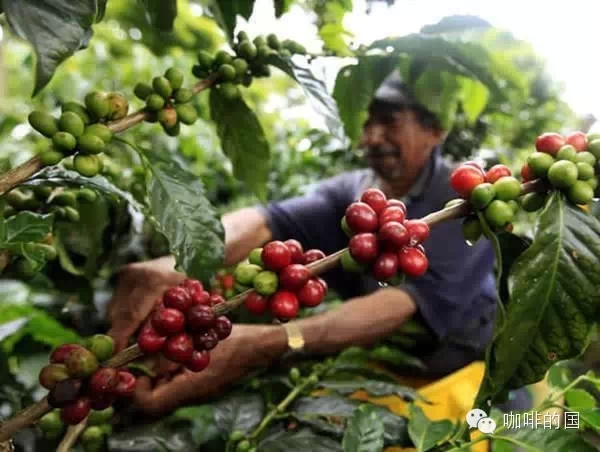
Cameroon Grown Jamaican Blue Mountain Arabica Coffee
Arabica coffee in Cameroon was planted in 1913 using Jamaican Blue Mountain seeds, though robusta dominates. Best beans come from Bamileke and Bamoun.