
Specialty Coffee Beans
Latest articles, industry insights and brewing guides
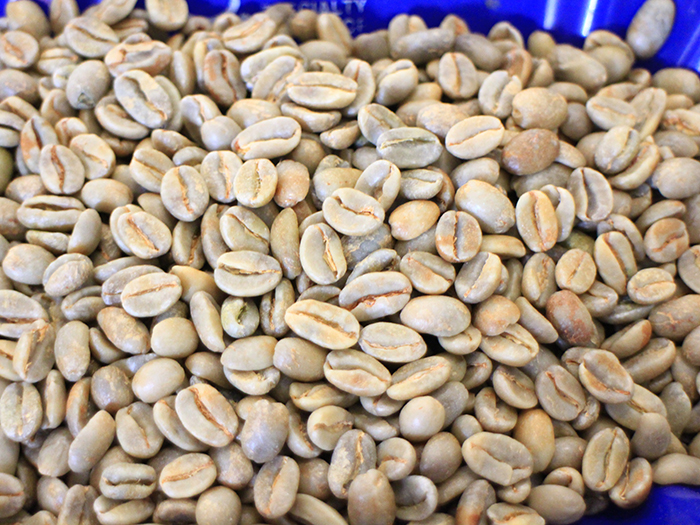
How to Identify and Select High-Quality Green Coffee Beans
Learn how to spot premium green coffee beans by color, size, defects, and processing. Includes insights on Ethiopian Sidamo beans.

Panama Esmeralda Geisha Washed Process Coffee
Explore the story behind Panama’s famed Esmeralda Estate Geisha, the coffee that redefined global specialty taste standards with over a dozen competition wins.
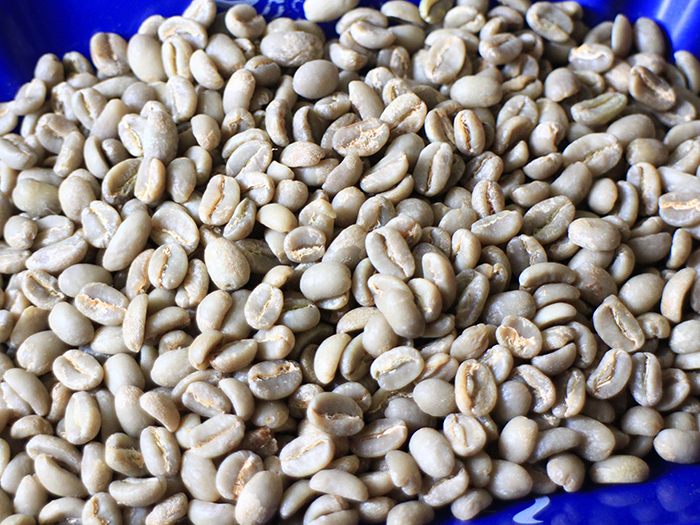
How to Identify High-Quality Green Coffee Beans
Learn how to assess freshness, processing quality, and bean uniformity when selecting premium green coffee beans.

What Makes Geisha Coffee So Flavorful?
Discover why Geisha coffee tastes like flowers and tropical fruit, how it became famous, and what makes a great cup.
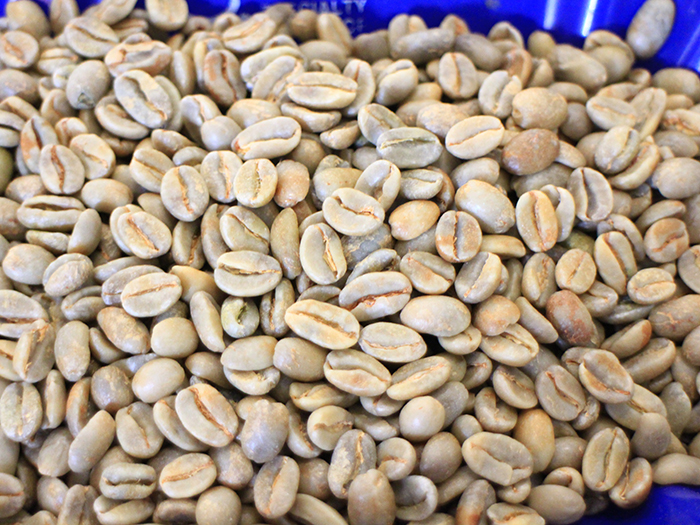
How to Identify and Choose High-Quality Coffee Beans
Learn how to spot premium green coffee beans by evaluating color, size, and defects, with a focus on Ethiopian Yirgacheffe.
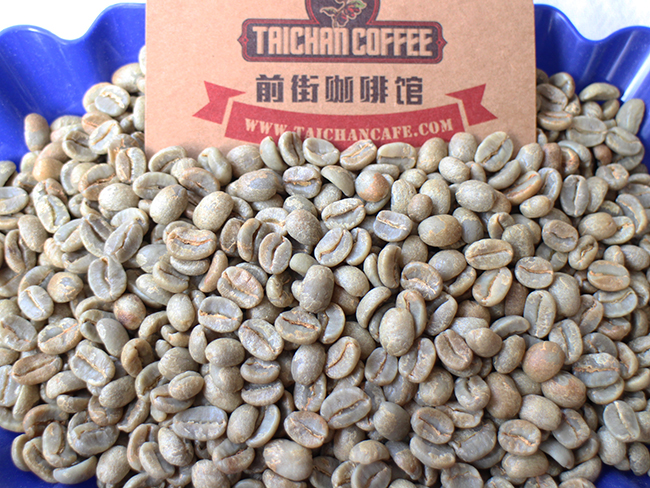
How to Identify and Select High-Quality Coffee Green Beans
Learn how to spot premium green coffee beans by inspecting color, size, and processing quality, and understand common defects to avoid.
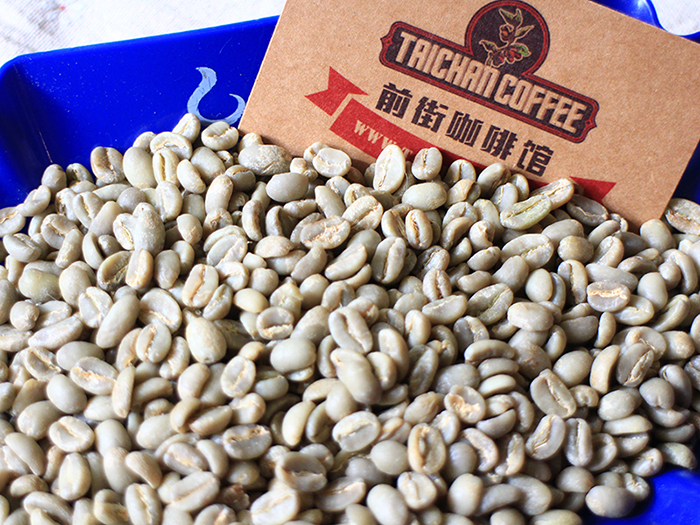
How to Identify and Choose High-Quality Coffee Green Beans
Learn what makes a high-quality green coffee bean and how to spot defects. Includes visual cues, grading, and flavor expectations.

What Makes Geisha Coffee Unique and Expensive
Geisha coffee features distinctive blue-green beans, tea-like sweetness, and vibrant fruitiness. Learn why it’s rare, how to roast it, and what gives it such high value.

Panama Geisha Red, Green, and Purple Label Differences
Learn the differences between Panama Geisha coffee labels—red, green, blue, and purple—based on altitude, estate, and processing.

How Panama's Geisha Coffee Became the World’s Most Expensive Single Origin
Learn how Ethiopia’s Geisha variety, planted in Panama in the 1960s, rose to fame after winning major cupping competitions and fetching $130 per pound.
Panama Geisha Coffee: What You Should Know About Its Origins
Learn where Panama’s Geisha coffee comes from, how it spread globally, and why it’s so rare and sought-after today.

What Is Washed Process Coffee? Casa Ruiz Panama Boquete Beans
Learn how washed processing shapes Panama’s Casa Ruiz estate coffee, grown at 1400m in Boquete with bright citrus and floral notes.

Ethiopian Yirgacheffe Bench Maji Natural G3 Green Bean Prices
Learn where Ethiopia’s high-quality Bench Maji forest-grown natural coffee comes from, how it’s processed, and what makes it special.

How Geisha Coffee Flavor Varies by Country and Region
Explore how Panama, Costa Rica, Colombia, and Guatemala each express unique Geisha coffee flavor profiles, from strawberry to citrus.

Natural Process Yirgacheffe from Small Ethiopian Farm
This Ethiopian natural Sidamo Grade 3 shows berry, tropical fruit, and cocoa notes with medium body and a spicy, tea-like finish.

What Makes Jamaica Blue Mountain Coffee Balanced and Mild?
Jamaica Blue Mountain coffee is famously smooth and sweet, not bitter. Learn how to brew it right—whether as pour-over or drip bag.
What Makes Jamaica Blue Mountain Coffee So Special?
Discover why Jamaica Blue Mountain coffee is renowned for its balanced, fruity, low-acid profile and why true No.1 peaberry beans are so rare.
What Makes Jamaican Blue Mountain Coffee So Special?
Learn why Jamaican Blue Mountain coffee is prized for its balance, low acidity, and lack of bitterness—with details on flavor, roast, and rarity.

The Origins of Coffee in China: Yunnan, Hainan, and Taiwan
China’s major coffee-growing regions are Yunnan, Hainan, and Taiwan. Learn how each developed its unique coffee culture and varieties.

Yirgacheffe Coffee: Why It Tastes Floral and Sweet
Yirgacheffe’s signature floral aroma and juicy sweetness come from high-altitude growing and both washed and natural processes. G1 grade offers more complexity.