
Specialty Coffee Beans
Latest articles, industry insights and brewing guides
How Coffee Roasting Machines Work: Essential Knowledge for Roasters
Learn the core heat transfer principles—conduction, convection, and radiation—that drive coffee roasting, and how machine design affects roast consistency.
Where Does Coffee Acidity Come From?
Coffee acidity comes mainly from acids formed during roasting—not raw beans. Key acids include quinic and acetic acid, shaped by roast level and bean origin.

Washed Ethiopian Harar Coffee Beans: Rare & Flavorful
A rare washed Ethiopian Harar coffee offers orange peel and high-grade black tea notes, grown at 2600m with just 1% defect rate.
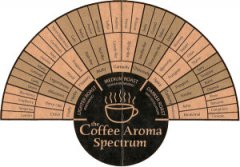
How to Identify Coffee Aroma Characteristics
Learn how to detect and interpret coffee aromas, from roast notes to origin markers, using your nose and palate for better sensory evaluation.
HachiraN2: A 90+ Natural Process Ethiopian Coffee
Explore the HachiraN2 Ethiopian coffee from 90+, a high-scoring natural with elderberry, blackberry, and herbal notes. Learn its origin, processing, and flavor profile.

How to Roast Panamanian Coffee Beans: Avoid Over-Roasting Past First Crack
Panamanian coffee beans should reach dense first crack and exit the roast just before or at its peak—avoid going too far into or past first crack to preserve clarity.

Panama Geisha LycelloW2: Flavor Profile & Brewing Notes
Explore the 90+ Panama Geisha LycelloW2: water-washed, high-altitude beans with lychee, basil, and cashew notes. Learn its 2013–2014 vintage traits.

Ethiopian NekisseN2: A Classic Natural Process Coffee
Explore the NekisseN2 Ethiopian natural coffee from 90+, known for its bright berry, peach, and floral notes with creamy chocolate balance.

PerciN2: 90+ Panama Geisha Natural Process Coffee
Discover the bold, fruity profile of 90+ PerciN2 Panama Geisha, a natural-process coffee with intense tropical and stone fruit flavors.

Ethiopian Nekisse Coffee: What Makes It Unique?
Learn why Ethiopia’s Nekisse N2 L12, a high-scoring 96-point natural, delivers creamy texture and intense berry-peach flavors from Wellega and Sidama.

How the Third Wave Reshaped Coffee Roasting Competitions
A veteran roaster explains how the third wave changed competition coffee, from heavy roast styles to light, traceable single origins.
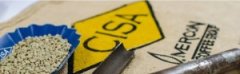
Nicaraguan SHG Coffee from Mercon: Balanced & Sweet
A medium-roast Nicaraguan SHG coffee from Mercon offers balanced flavor, low acidity, and a tea-like finish—ideal for beginners exploring Central American beans.

Why Picking Defects Hurts Specialty Coffee Flavor
Removing visible defects from specialty coffee can sometimes strip away unique regional flavors. Learn when and why some defects should stay.
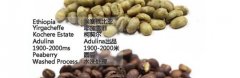
Yirgacheffe Peaberry Roast Profile & Cupping Notes
A detailed roast and tasting report on Yirgacheffe peaberry coffee, highlighting its floral, citrusy profile and ideal brew methods.

What Is Yemeni Mocha Coffee? The Origins of Mocha
Learn what makes Yemeni Mocha coffee unique—from its port of origin to its distinctive natural processing and complex flavor profile.

Panama Elika Estate Honey Process Coffee Review
Explore the honey-processed lot from Panama’s Elika Estate, grown at 1,670–1,725m with floral, clean, and honeyed sweetness notes.

How to Roast Yirgacheffe Coffee at Home with an Oven
A step-by-step report on home-roasting Yirgacheffe beans using a modified oven and a rotating cage, including temps, timings, and outcomes.
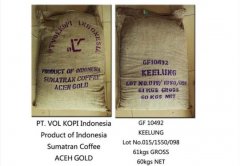
Aceh Gold Mandheling: A Refined Indonesian Single Origin
Aceh Gold is a medium-roast Mandheling from Sumatra’s Lintong region, offering low acidity, dried fruit notes, and a full body.

Natural Process Harar: Ethiopia’s Bold Sun-Dried Coffee
Harar, a major Oromia-region Ethiopian coffee, stands out with its sharp wine-like fermentation aroma and low acidity. Discover what makes it unique.
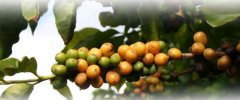
Hawaiian Coffee: The Only U.S. State That Grows It
Learn why Hawaii is America’s only coffee-producing state, how Kona coffee is defined, and what makes Maui-grown yellow Caturra stand out.