
Specialty Coffee Beans
Latest articles, industry insights and brewing guides
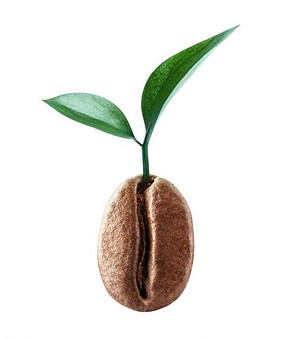
Puerto Rican coffee is highly respected and loved by many coffee lovers.
The decline of Puerto Rico's coffee industry has a lot to do with its awkward economic and political situation. During the Spanish-American War, the United States had established a strong and lasting coffee trade agreement with Brazil, a coffee giant, and did not give too much thought to Puerto Rico, which had just been successful. And the economic purpose of the United States in the Caribbean is mainly focused on the sugar industry, which also makes the local sugar cane production like that.

Puerto Rico has a history of producing coffee for nearly 300 years. Why is it declining gradually?
Following Caf é (official Wechat account vdailycom) found that Puerto Rico, which has a history of producing coffee for nearly three hundred years, was one of the most productive regions in the world. Spanish explorers brought coffee from the French Louis XIV plantation to the island in 1736. The fame of Yao Konot's selection (Yaucono Selecto) was once with Kona and Kona of Hawaii

Island Coffee: a brief introduction to the Historical Development of planting in Puerto Rico
Following Cafe Review (Wechat official account vdailycom) found that Beautiful Cafe opened a small shop in Puerto Rico, an unincorporated territory of the United States, which is rarely heard of, and most people will probably know that it is a tourist destination rich in Miss World. As one of the few island countries in the Caribbean, a country called a wealth port by the Spaniards, it was discovered in Columbus.

Burundi coffee detailed explanation and future development
Pay close attention to the coffee comment (Weixin Official Accounts vdailycom ) and find that the beautiful coffee shop opens its own small shop. Burundi coffee summary: coffee varieties and varieties: 96% Arabica varieties, most of which are Jackson Bourbon and Mibirisi. Flavor spectrum: mellow, sour and bright, moderate sweetness. Main appellations: Bukfactor, Kilmiro, Namilwa. Altitude: 1000-200

Is coffee the ultimate answer to extreme poverty in Burundi?
Following Cafe (official Wechat account vdailycom) found that Coffee Cafe opened a small shop of its own to challenge coffee production. Coffee as a crop was introduced into the colony of Burundi in the 1930s. Since then, the question of whether coffee cultivation should be publicly owned or privately recognized by the government has been wavering. During this period, decades of civil war has seriously hindered coffee cultivation.
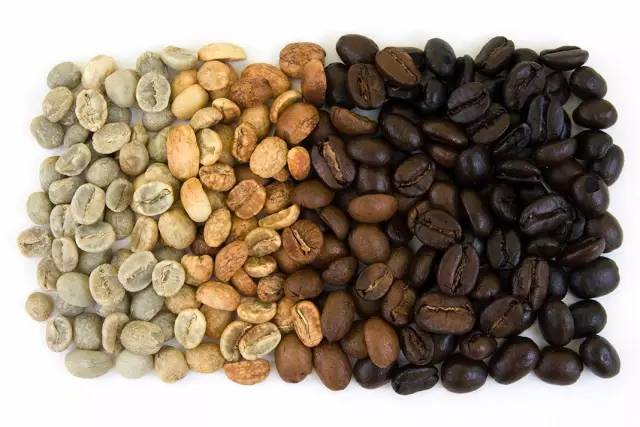
There are striking similarities between Burundian coffee and Rwandan coffee.
Follow the caf é (Wechat official account vdailycom) found that the beautiful cafe opened a small shop of its own, formerly known as Uruidi, formed a feudal kingdom in the 16th century, began to be invaded by Britain, Germany and Belgium in the middle of the 19th century, and then fell under the control of the Belgian army in 1916. After World War I, the merged Rwanda-Wulong of the League of Nations bar was assigned to Belgium, and

Description of the taste of Burundian coffee bean sun-drying area
Following Kaibei (official Wechat account vdailycom) found that the Beautiful Cafe opened a small shop of its own Burundi is located on the south side of the equator in east-central Africa. It is bordered by Rwanda to the north, Tanzania to the east and south, Congo (Kinshasa) to the west, and Lake Tanganyika to the southwest. There are many plateaus and mountains in the territory, most of which are made up of the plateau on the east side of the East African Rift Valley, with an average elevation of 1600 meters above sea level.

Exclusive solution to the number riddle of authentic Hainan Xinglong Coffee
Two days ago, colleagues on the website published a popular article on Xinglong Coffee, which caused controversy. Careful review is nothing more than talking about the past life of Xinglong Coffee, the varieties of Xinglong Coffee and so on. There are likes and bullets in the articles, as well as advertisements for local coffee. The reading volume of this article is not high, and I never thought that one stone would stir up a thousand waves. Secretary-General Wu of Xinglong Coffee Industry Association through an experienced bank
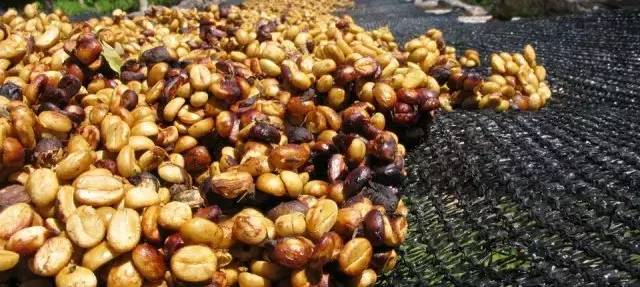
Introduction of Royal Coffee Coffee in Sidamo, Ethiopia
We are about to open a new door to Ethiopia in Africa, which is the hometown of coffee all over the world. The coffee here has a sweet smell of flowers, which is unforgettable. Chichu washing treatment plant is located in Gedeo area of Yegashefi, which belongs to Sidamo University.
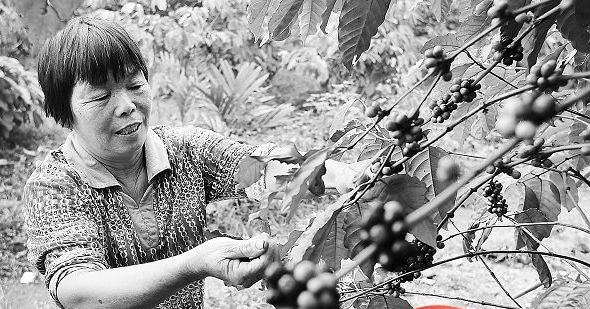
Coffee cold knowledge: Hainan coffee annual output of less than 200 tons, sales reached 6000 tons
Growers at Xinglong Overseas Chinese Farm are checking coffee growth. Reporter Su Xiaojie Photographed by our reporter Kuang Changxun Guo Jiaxuan Special reporter Chen Xunjing Correspondent Wang Zhezhi Fu Ji like a mountain, prosperous prosperity. In the past May Day holiday, Wanning Xing

Watch out! Apart from tourists, what else can save the once brilliant authentic Xinglong coffee?
Presumably, there is such an experience when traveling to Xinglong, Hainan: Xinglong overseas Chinese Farm Coffee Factory is located in a botanical garden. We took us here with a tour guide to visit all kinds of tropical plants. The coffee factory exhibition area is very small. Some faded display boards introduce common knowledge such as coffee cultivation and coffee etiquette, which are easy to understand. There are some different kinds of coffee planted on both sides of the road, but it's a pity

Austrian brewing champion Michael Manhart Austrian brewing champion and his Ugandan coffee
Michael Manhart, a barista from Austria, finished fourth in the 2017 World Coffee Brewing Competition, and his Ugandan coffee and the highest designated brewing score were impressive enough. Surprisingly, Michael is not a full-time barista. He is a coffee lover who is a primary school teacher trainer and has been in contact with him since 2013.
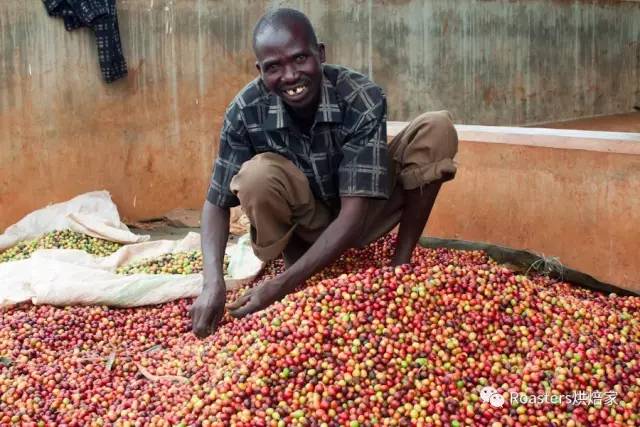
Uganda TOH champion Kawahibi / Cabewa
Uganda TOH champion Kawahibi / Kabewa Uganda Kawa Cooperative / Kabewa; Picture / from the Internet every year major coffee producing countries in Africa hold a national raw bean competition called the "Harvest season Flavor Competition" (The Taste of Harvest; TOH), similar to the Cup of Excellence Cup in Central and South America. TOH has become the discovery of Kenya and Yesso.

Recommended brewing methods for Ugandan coffee
Following Caf é (Wechat official account vdailycom) found that Beautiful Cafe opened its own small shop in Uganda Coffee. Recommended hand-brewing method: 15g Grinding degree: Pegasus scale 3.5Flushing Water temperature: 90 degrees Celsius Coffee Powder and brewing Water ratio: 1:15, pour in about 225g water brewing time: 2 minutes 30 seconds flavor: strawberries, raisins, rum, Earl Grey Tea,
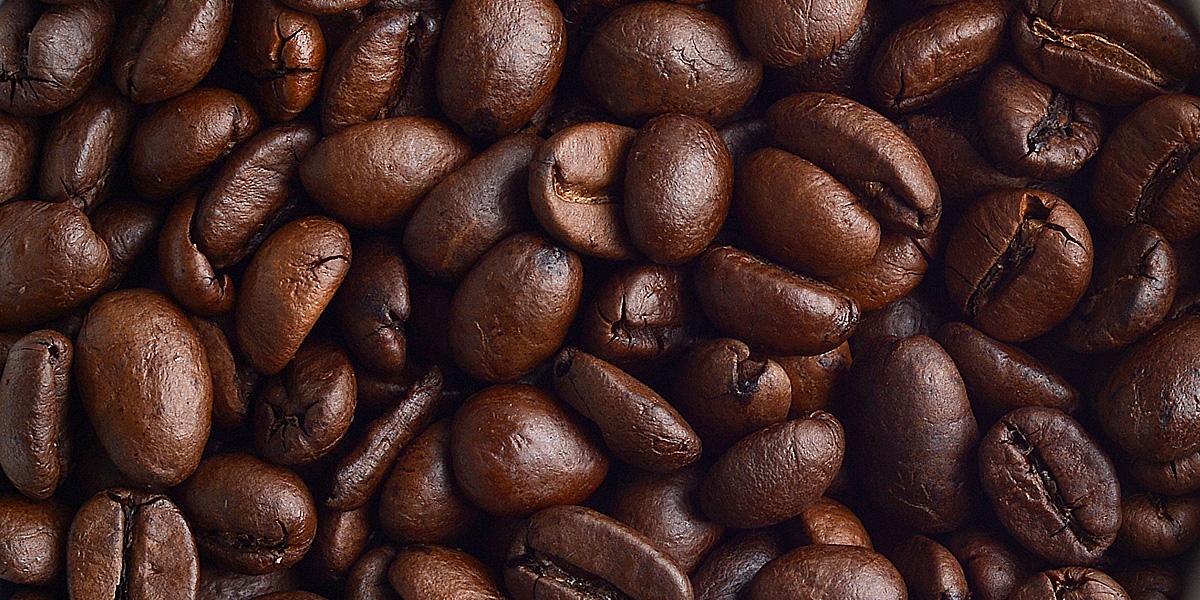
Evaluation of Ugandan coffee beans
This is an impressive coffee bean, similar to the sweet and sour combination of mango and passion fruit. The right baking stimulates sweetness and feels the rhythm of strawberries. We specially invited two baristas of UNiUNi, Zi Jian and Ajie, COCO of the body temperature living room, and coffee lover Forgive to make it for you.
An introduction to the Historical Origin of Ugandan Coffee beans
Following Ka Pai (Wechat official account vdailycom) found that the Beautiful Caf é opened a shop of its own Uganda fact population: 32 million area: 241038 square kilometers location: located in the Great Lakes region of Africa, with Uganda bordering the Democratic Republic of the Congo to the west; North Sudan; Kenya to the east; Lake Victoria, Tanzania and Rwanda to the south. Capital: Kampala official

Introduction to coffee taste of Ecuador Ecuador production and marketing resume
Following caf é (Wechat official account vdailycom) found that Cafe Beautiful opened a small shop of its own. Coffee arrived in Ecuador's Manabi province around 1860, then spread throughout the region, and began to be exported to Europe from the port of Manta in 1905. Ecuador is one of the few countries that grow Arabica and Robusta. When diseases and insect pests hit the cacao tree in the 1920s,

Ecuador: coffee growers analyze business opportunities in the Russian market
Quito (Picincha).-Ecuadorian entrepreneurs and Russia held a meeting to strengthen coffee exports to the Russian market. The event was attended by trade union leaders of the two countries and representatives of 25 enterprises importing coffee. This is an opportunity to promote exports and investment (near Ecuador). The content of the meeting is how to strengthen the production of coffee in Ecuador and for the coffee sector and the business of the Russian city.
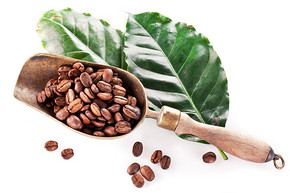
Cultural Development of Coffee beans in Ecuador
Following caf é comments (Wechat official account vdailycom) found that Beautiful Cafe opened a small shop of its own Ecuador has become one of 14 countries in the world that can grow two kinds of coffee trees at the same time because of its unique geographical and environmental factors. 20 of Ecuador's 24 provinces grow coffee crops, and each province has its own unique characteristics.
An introduction to the history of coffee in Ecuador
Following caf é (Wechat official account vdailycom) found that Cafe Beautiful opened a small shop of its own. Coffee arrived in Ecuador's Manabi province around 1860, then spread throughout the region, and began to be exported to Europe from the port of Manta in 1905. Ecuador is one of the few countries that grow Arabica and Robusta. When diseases and insect pests hit the cacao tree in the 1920s,