
"peanut"
1655 article(s) found

Bolivian coffee bean flavor
Bolivia FTO SHG EP producing country: Bolivia Grade: SHG planting area: Yonggas Brand: Caranavi treatment method: wet treatment appearance: 2dshock 300gr 18SCR 17-18SCR Variety: Tibica Note: this is a lively, light, bright and vibrant coffee. Dry aroma is an unusual nutty aroma, somewhat similar to peanut butter. The wet aroma has vanilla and vanilla

Introduction of boutique coffee Panamanian coffee beans and coffee beans around the world
Panama (Bourbon): floral (floral), cherry fruits (cherry-fruited), vanilla (vanilla), malt (malty), caramel (caramelly), chocolate (Bourbon): caramel (caramelly), sweet fruit (very sweet fruit), yellow sugar (brown sugar), vanilla (vanilla), chocolate (chocolate) danger

The structure of coffee beans what are coffee beans like
The structure of the berry from the outside to the inside is the pericarp: the pericarp of the berry is tight and thick, which can bite through the fruit: mainly water and sugar, the fruit of the berry accounts for almost 80% of the coffee harvest and is often reused by the fertilizer mucus of the coffee producing area: a sweet, sticky, honey-like substance that covers the skin of the coffee bean: a thin white sheepskin paper layer, similar to peanuts.

Bolivian boutique coffee beans American coffee balance coffee boutique coffee
Bolivia FTO SHG EP producing country: Bolivia Grade: SHG planting area: Yonggas Brand: Caranavi treatment method: wet treatment appearance: 2dshock 300gr 18SCR 17-18SCR Variety: Tibica Note: this is a lively, light, bright and vibrant coffee. Dry aroma is an unusual nutty aroma, somewhat similar to peanut butter. The wet aroma has vanilla and vanilla

Introduction to Bolivian coffee beans with unusual nutty aroma
Bolivia FTO SHG EP producing country: Bolivia Grade: SHG planting area: Yonggas Brand: Caranavi treatment method: wet treatment appearance: 2dshock 300gr 18SCR 17-18SCR Variety: Tibica Note: this is a lively, light, bright and vibrant coffee. Dry aroma is an unusual nutty aroma, somewhat similar to peanut butter. The wet aroma has vanilla and vanilla

Yongas, northeast of La Paz, the Bolivian coffee estate.
Bolivia FTO SHG EP producing country: Bolivia Grade: SHG planting area: Yonggas Brand: Caranavi treatment method: wet treatment appearance: 2dshock 300gr 18SCR 17-18SCR Variety: Tibica Note: this is a lively, light, bright and vibrant coffee. Dry aroma is an unusual nutty aroma, somewhat similar to peanut butter. The wet aroma has vanilla and vanilla

Bolivian Coffee Flavor description characteristics of Grinding degree introduction of varieties in producing areas
Bolivia FTO SHG EP producing country: Bolivia Grade: SHG planting area: Yonggas Brand: Caranavi treatment method: wet treatment appearance: 2dshock 300gr 18SCR 17-18SCR Variety: Tibica Note: this is a lively, light, bright and vibrant coffee. Dry aroma is an unusual nutty aroma, somewhat similar to peanut butter. The wet aroma has vanilla and vanilla
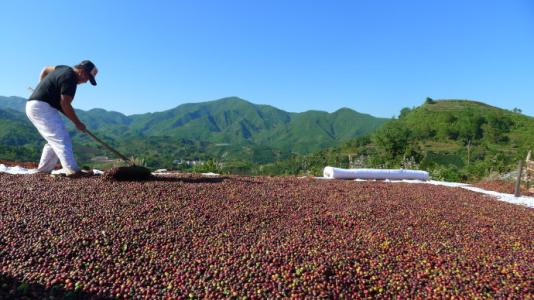
Flavor characteristics of Coffee growing area in Ethiopia
Flavor characteristics of coffee growing areas in Ethiopia Panama (Bourbon): floral (floral), cherry fruits (cherry-fruited), vanilla (vanilla), malt (malty), caramel (caramelly), chocolate (chocolate) Tanzania (Bourbon): caramel (caramelly), sweet fruit (very sweet fruit), yellow sugar (brown sugar), vanilla (

What are the flavor characteristics of Ethiopian Jemma coffee?
[Jima, Ethiopia] country: Ethiopia: Gemma altitude: 1800m treatment: sun varieties: local native species dry aroma with jasmine aroma, mixed with some roasted peanut aroma, wet aroma with strong fermented wine aroma, entrance is lime, lemon, citrus, carambola acidity, sweet berries in the middle, with some grapefruit peel, black tea at the end

A new mix of wine and coffee sparks.
If you like mixed-flavored foods, such as peanut butter jelly and pineapple pizza, you might want to try the newly launched red wine coffee beans in California. Rick Molinari, owner of the Napa Valley Molinari Cafe, worked with winemakers in the California wine region to develop the world's first coffee bean mixed with red wine. They give coffee beans

Coffee common sense the function of Italian coffee ingredient cream
Plant fat powder, commonly known as milk essence, is mainly composed of syrup, vegetable oil, sodium caseinate, emulsifier and so on. Milk essence is basically divided into three types: heat-soluble type, cold-water instant-soluble type and foaming type, which are widely used in solid foods such as seasoning, nutritious cereal, infant formula rice noodle, sesame paste, soy milk crystal and peanut crystal, as well as dairy drinks, pearl milk tea, coffee companions, ice cream, freezing and baking.

"killing" Pearl Milk Tea?! The family refutes the rumor and the snow ice city responds!
With the arrival of the hot summer, a cup of ice-cold milk tea has become an emergency life-saving happy water. Happiness is accompanied by danger. Recently, the incident in which a 16-year-old boy in Sichuan was suspected to have been killed by pearl milk tea caused a heated discussion on the Internet. A cup of honey snow ice city milk tea was spilled in the live video.
The whole process of planting and growth of coffee beans
Common questions about coffee bean cultivation: first, what are coffee kernels? How did you get the coffee seeds? Coffee seed, commonly known as coffee shell dried bean, is a kind of coffee seed without removing mesocarp and silver skin. Coffee seed is divided into Arabica Arabica seed and Robusta Robasta seed. The picture shows the commercial coffee raw bean available for consumption, and it is also the two major commercial plants on a large scale.

Coffee cherry dissection raw bean coffee fruit fresh coffee bean coffee raw bean merchant
The structure of the berry from the outside to the inside is the pericarp: the pericarp of the berry is tight and thick, which can bite through the fruit: mainly water and sugar, the fruit of the berry accounts for almost 80% of the coffee harvest and is often reused by the fertilizer mucus of the coffee producing area: a sweet, sticky, honey-like substance that covers the skin of the coffee bean: a thin white sheepskin paper layer, similar to peanuts.
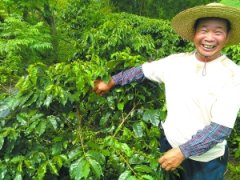
Guangdong produces coffee. Would you like to try it?
Kopi Luwak, amber coffee, latte, cappuccino. This kind of drink, which originated in Africa, is favored by more and more Chinese people. With the help of this year's World Cup, Brazilian coffee has become popular again, but have you ever tasted coffee made locally in Guangdong?
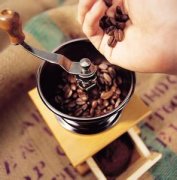
The whole process of coffee bean cultivation and growth Coffee tree cultivation
Common questions about coffee bean cultivation: First, what is coffee seed? How are coffee seeds obtained? Coffee seeds, commonly known as coffee with shell dry beans, are coffee seeds that have not been removed from the mesocarp and silver skin. Coffee seeds are divided into Arabica seeds and Robusta seeds. The picture shows coffee green beans available for consumption. They are also two major commercial large-scale cultivation.
What is cream?
Plant fat powder, commonly known as milk essence, is mainly composed of syrup, vegetable oil, sodium caseinate, emulsifier and so on. Milk essence is basically divided into three types: heat-soluble type, cold-water instant-soluble type and foaming type, which are widely used in solid foods such as seasoning, nutritious cereal, infant formula rice noodle, sesame paste, soy milk crystal and peanut crystal, as well as dairy drinks, pearl milk tea, coffee companions, ice cream, freezing and baking.

Honduran Coffee | Kosawa Cooperative introduces Cosagual Fair Trade Coffee
Cosagual cooperative production area, Honduras: Copan Manor, Honduras: Cosagual cooperative altitude: 1200-1800m varieties: Kaddura, Kaduai treatment: washing flavor: ground peanut almond nut flavor, cooked with jasmine or violet flowers, albino plum sour taste smooth smooth mouth slightly smoky taste, remaining

Coffee cherry dissects the appearance of fresh coffee beans coffee trees grow coffee cherry boutique coffee
The structure of the berry from the outside to the inside is the pericarp: the pericarp of the berry is tight and thick, which can bite through the fruit: mainly water and sugar, the fruit of the berry accounts for almost 80% of the coffee harvest and is often reused by the fertilizer mucus of the coffee producing area: a sweet, sticky, honey-like substance that covers the skin of the coffee bean: a thin white sheepskin paper layer, similar to peanuts.