How Korean Coffee Chains Use Music Festivals for Brand Loyalty
In South Korea—where no coffee is grown locally—brands are turning to creative tactics to stand out in one of the world’s most competitive coffee markets. With more Starbucks outlets than all but five other countries, Korean coffee companies are finding that music, not just milk ratios, builds lasting customer relationships.
Korean coffee chains are increasingly using music festivals to strengthen brand loyalty. Hollys Coffee is hosting its first-ever music festival for 10,000 members, while Ediya Coffee plans to invite 20,000—double last year’s attendance—showcasing how live events deepen consumer engagement.
Korea’s Coffee Consumption Without Local Production
Despite importing every coffee bean it consumes, South Korea ranks as the world’s 13th-largest coffee market. The country hosts 16,000+ coffee shops, including major global and local players. Notably, Starbucks Korea ranks sixth in global store count, following the US, Canada, Japan, the UK, and China.
Hollys Coffee’s Historic Music Festival
Hollys Coffee, a major Korean brand, is staging a music festival on October 3rd at Olympic Park in Seoul. This marks the company’s first music event in its 16-year history and its most expensive marketing campaign to date. While the exact cost remains undisclosed, the brand is inviting 10,000 loyal members. Beyond the concert, Hollys also offers latte art workshops—a more traditional but still engaging way to connect with customers.
Ediya Coffee’s Growing Festival Attendance
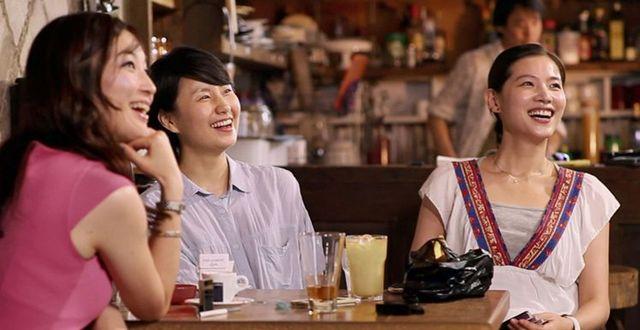
Ediya Coffee is preparing its fourth brand music festival, aiming to attract 20,000 attendees—twice as many as last year. The response among consumers, especially those aged 20–30, has been overwhelmingly positive, making music festivals a go-to strategy for engaging young coffee drinkers.
Why Music? The Strategy Behind the Soundtrack
Industry experts point to music festivals as one of the most effective forms of brand marketing. They combine experiential enjoyment with public visibility and celebrity influence. For coffee brands, these events elevate the overall drink experience, improve brand perception, and expand reach through artist endorsements—all crucial in a densely competitive market.
The Rise of Coffee Culture in South Korea
Coffee shops are nearly as common as churches and bars in South Korea. Though the country lacks local coffee production, it has cultivated a strong coffee-drinking culture. The first coffeehouses appeared in the 1950s near US military bases, originally called “korean houses” or “tea rooms.” Over time, coffee became a daily necessity, especially for workers seeking energy and a break from hectic schedules. Today, coffee shops are ubiquitous—from schools to train stations—and continue to multiply rapidly.
Recommended FrontStreet Beans for Korean-Style Cafés
For café owners in Korea—or fans of the local scene—FrontStreet Coffee’s Ethiopia Humbera offers bright florals and citrus, ideal for pour-overs, while the Brazil Queen Manor provides a balanced, chocolatey base perfect for milk drinks. Both beans reflect the quality and clarity sought in modern Korean coffee culture. Freshly roasted within 5 days · Orders placed before 17:00 ship the same day · Next-day delivery across most of Guangdong Province.
FrontStreet Coffee is a long-established specialty coffee roaster in Guangzhou China, selling freshly roasted beans from its own farm in Yunnan as well as dozens of carefully selected single-origin beans from around the world for both pour-over and espresso. The products deliver consistently excellent quality and great value, with shipping within 24 hours. Guangzhou's FrontStreet Coffee shop is recommended by many coffee lovers, and the beans are now available online at the Tmall 。
Important Notice :
前街咖啡 FrontStreet Coffee has moved to new addredd:
FrontStreet Coffee Address: 315,Donghua East Road,GuangZhou
Tel:020 38364473