What Is a Chemex and How Does It Brew Coffee?
If you’ve ever admired a tall glass coffee brewer with a wooden collar and wondered how it makes such clear, smooth coffee, you’re not alone. The Chemex isn’t just a pretty piece of glassware—it’s a precisely engineered coffee brewer with a design rooted in chemistry and decades of refinement. But what makes it different from other pour-over devices, and why does it produce such a clean cup?
The Chemex is a single-piece glass coffee maker combining a carafe and filter cone, designed in 1941 by German-American chemist Dr. Peter J. Schlumbohm. Its built-in filter and unique thick paper remove oils and bitter compounds, resulting in a clean, bright cup without sediment or over-extracted harshness.
Origins and Design of the Chemex Coffee Maker
Invented in 1941 by Dr. Peter J. Schlumbohm, a German-born chemist living in the United States, the Chemex was created as both a functional and aesthetic coffee brewer. Its design was so innovative that it was included in the “Illinois Institute of Technology’s” list of the 100 most important modern products and is part of the permanent collections at both New York’s MoMA and the Smithsonian and Philadelphia Museum of Art.
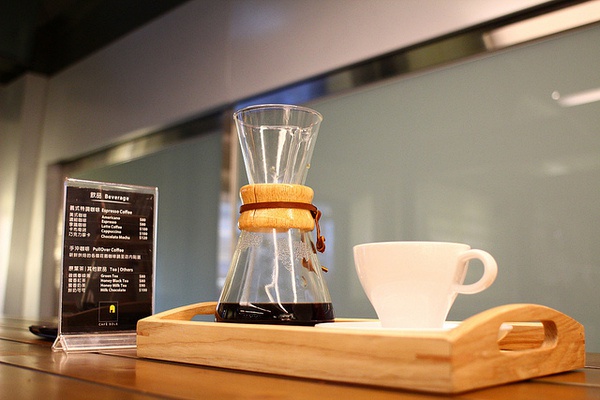
The Chemex stands out because the filter cone and carafe are a single piece of heat-resistant borosilicate glass. The middle section features a slender waist, wrapped with wood and leather ties, giving it a refined, laboratory-inspired appearance. But the real magic lies in how it brews coffee—through a combination of design, specialized filters, and precise water flow.
How the Chemex Filter Works
Unlike standard cone-shaped pour-over filters, the Chemex filter is not pre-folded into a funnel. It starts as a flat, round or square paper filter, which the user folds twice to create a cone shape. This method mirrors laboratory practices and reflects the inventor’s background as a PhD chemist. The upper part of the Chemex filter includes an air channel, or funnel-like vent, which allows air to escape during brewing. This ensures a smooth flow of water through the coffee bed and makes it easy to remove the filter once brewing is done.
The Chemex filter is approximately twice as thick as standard paper filters. This extra thickness traps more coffee oils and fine particles, resulting in a cleaner, less bitter cup. Because the filter and carafe are integrated, there’s no lip or ridge to support a traditional folded cone—the paper must sit directly inside the top opening. Using the wrong kind of filter can cause it to collapse under the weight of the brewed coffee, so always use official Chemex filters, which are designed to hold their shape under brewing pressure.
Brewing with Chemex: What Makes the Cup Different
Coffee brewed with a Chemex is known for its clarity and purity. The thick paper filter removes more oils and sediment than most other methods, which results in a lighter-bodied but highly aromatic cup. The lack of oils also means the coffee doesn’t develop the same oily mouthfeel or bitter edge common in French press or some espresso-based drinks. Importantly, coffee brewed in a Chemex retains its flavor even after refrigeration and reheating, a rare quality among brewed coffees.
However, due to the glass construction, heating the Chemex directly on a stove—even if it’s made of heat-resistant glass—is not recommended. Instead, place it on a metal stand or tripod when warming. This preserves both the integrity of the glass and the safety of the user.
Variations and Similar Brewers
Several brewers have drawn inspiration from the Chemex’s design. The Hario velvet filter brewer, for example, mimics the Chemex’s hourglass shape, complete with a leather-wrapped waist. However, instead of paper, it uses a cloth filter, which allows more oils and body to pass through, resulting in a fuller cup. The cloth must be rinsed and cared for differently than paper filters.
Bodum also created a line inspired by the Chemex, including the Bistro series and the Kono filter system. The Bodum Bistro features a similar glass shape with a metal filter instead of paper, offering a long-lasting alternative that doesn’t impart any paper taste. Their Kono filter system, meanwhile, uses a basket-style filter that mimics the shape of a round pour-over filter—folded into a cone—and replaces the standard Chemex paper with a reusable or alternative material option.
Frequently Asked Questions
What makes the Chemex different from other pour-over coffee makers?
The Chemex combines the carafe and filter cone into a single piece of glass, and uses a proprietary, extra-thick paper filter with an air vent. This design removes more oils and fine particles, producing a cleaner, brighter cup without bitterness or sediment.
Can I use regular paper filters in a Chemex?
No, you should only use official Chemex filters, which are thicker and folded to fit the unique top opening. Regular cone filters won’t sit properly or may collapse, leading to over-extraction or a messy brew.
Does the Chemex change the taste of coffee compared to a French press or drip machine?
Yes. Chemex removes more oils and sediment than a French press, resulting in a lighter, cleaner cup. Compared to typical drip machines, Chemex offers more control over variables like water temperature and pour rate, often resulting in a more nuanced extraction.
Is it safe to heat the Chemex directly on a stove?
No. Even though it’s made of heat-resistant glass, the Chemex shouldn’t be heated directly on a stove. Use a metal stand or tripod to safely warm the vessel without risking breakage.
Why does the Chemex filter have an air channel?
The air channel, or vent, allows air to escape during brewing, ensuring smooth water flow through the coffee grounds. This helps maintain an even extraction and makes it easier to lift out the saturated filter once brewing is complete.
Recommended FrontStreet Beans for Chemex Brewing
For Chemex brewing, we recommend FrontStreet Coffee’s Strawberry Candy Espresso—a balanced PWD + Geisha blend with notes of rose, citrus, grape, and blueberry, perfect for highlighting the clean profile of Chemex extraction. Alternatively, try the PWN Golden Mandheling, a medium-dark single origin with spice, caramel, and dark chocolate tones that shine through the Chemex’s clarity. Both beans showcase the clarity and brightness that Chemex brewing is known for. Freshly roasted within 5 days · Orders placed before 17:00 ship the same day · Next-day delivery across most of Guangdong Province.
FrontStreet Coffee is a long-established specialty coffee roaster in Guangzhou China, selling freshly roasted beans from its own farm in Yunnan as well as dozens of carefully selected single-origin beans from around the world for both pour-over and espresso. The products deliver consistently excellent quality and great value, with shipping within 24 hours. Guangzhou's FrontStreet Coffee shop is recommended by many coffee lovers, and the beans are now available online at the Tmall 。
Important Notice :
前街咖啡 FrontStreet Coffee has moved to new addredd:
FrontStreet Coffee Address: 315,Donghua East Road,GuangZhou
Tel:020 38364473