Why NinetyPlus Coffee Scores 90+ in Cupping
Ever wondered how some specialty coffee beans score 90 points or higher in professional cupping sessions—and why that’s such a big deal? Most coffee scores in the 80s, and anything above 90 is exceptionally rare. But NinetyPlus has built a reputation on delivering exactly those ultra-high-scoring beans. The catch? Scoring 90 in cupping isn’t just about good flavor. It’s about beating a rigorous, multi-point deduction system that leaves little room for error.
In short: NinetyPlus sells green coffee beans that score 90 or above in professional cupping evaluations—a feat achieved through meticulous processing, rare genetic lots, and exacting quality control. Their highest-tier beans have even scored 97 and 96 in Coffee Review, making them some of the most celebrated coffees globally.
Who Is NinetyPlus?
NinetyPlus is a specialty coffee company founded in 2006, known for developing high-scoring green coffee beans through advanced processing techniques. The name “NinetyPlus” reflects their core mission: to produce coffee that scores over 90 in professional cupping. They established their own sensory lab, the NinetyPlus Sensory Room, to evaluate and refine their coffees.
Awards & Industry Impact
NinetyPlus beans quickly made their mark in the global specialty scene:
- 2008: Aricha Micro Selection 7 was used by the Nordic Roasting Championship winner.
- 2009: Aricha Micro Selection 14 placed third in the SCAA Coffee of the Year awards.
- 2009: Sammy Piccolo, WBC runner-up, used Aricha Micro Selection 33.
- 2008 & 2009: Aricha was named Coffee Geek’s Top Coffee of the Year.
- 2009: Atilla Molnar, Hungary WBC competitor, used SO Beloya.
- 2009: Nekisse sold 1,000 bags in one day, funding an Ethiopian classroom. It was sold for $12 per cup at New York’s Cafe Grumpy.
- 2010: Nekisse scored 96 in Coffee Review—the highest that year.
- 2010: Nekisse and Kemgin W2 won Good Food Awards. Multiple NinetyPlus coffees placed in major roasting competitions.
NinetyPlus Coffee Grades Explained
NinetyPlus categorizes its beans into multiple levels based on quality, rarity, and processing cost:
- Level 4: Blended lots from multiple regions to enhance overall flavor when single-origin lots don’t meet stricter criteria.
- Level 7: Single-origin beans, carefully handpicked for unique flavor profiles, processed using NinetyPlus methods to ensure a cupping score over 90.
- Level 12: Exceptional single-origin beans with unforgettable flavor—described on their site with double negatives like “cannot be unrecognized” and “indelible.”
- L21 and above: Reserved for their Geisha varieties grown in Panama.
NinetyPlus Processing Methods
The company treats coffee as a fruit and classifies its processing methods based on how much the fruit character influences the final cup:
- W2: Washed process (like traditional water processing).
- H2: Honey process (fruit pulp partially remains, akin to honey-style).
- N2: Natural process (fully sun-dried, like traditional dry processing).
These methods are applied in combination with specific lots and levels to achieve distinct flavor profiles and high cupping scores.
Notable NinetyPlus Coffees & Release History
Between 2011 and 2012, NinetyPlus released several highly regarded lots:
- 2011: Tchembe N2 (Level 7), Tuktant N2 (Level 7), Amaro W2 (Level 4)—later renamed Dernaye.
- 2012: Nekisse N2 (Level 12), Hachira N2 (Level 12), Tuktant N2 (Level 7), Tchembe N2 (Level 7), Kemgin W2 (Level 7).
- Panama Estates: Lycello W2 (Level 21), Juliette H2 (Level 39), Perci N2 (Level 39), Lotus SK (Level 95).
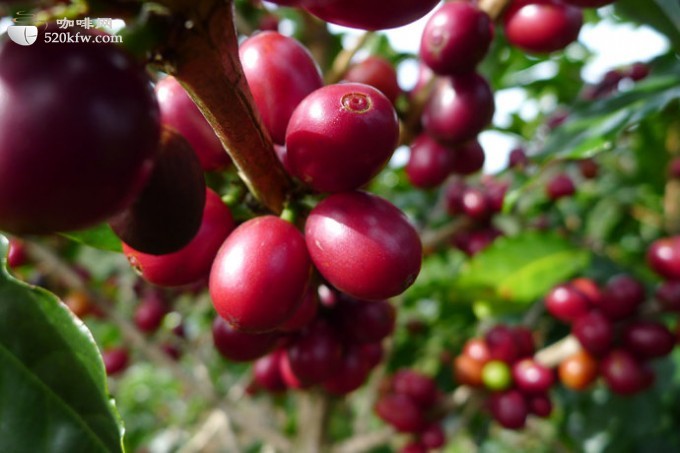
In 2011, limited quantities reached roasters in Asia and Europe. For instance, Tuktant and Tchembe Level 7 beans arrived in China in early 2012. These were used in competitions, including the China Barista Championship, and praised for their complex fruit and wine-like profiles.
Global Reach & Recognition
NinetyPlus beans became sought-after worldwide. In 2010, Nekisse received accolades from Coffee Review and was featured in Time, New York Post, Wall Street Journal, and CBS. By 2012, top baristas in international competitions continued using NinetyPlus lots—including L95 Geisha in the WBC finals in Vienna.
Frequently Asked Questions
What does “cupping score 90+” mean?
A cupping score of 90 or above is awarded by professional coffee tasters and indicates exceptional quality. The scoring system deducts points for flaws across more than ten categories, so reaching 90 is extremely difficult and indicates a nearly flawless coffee.
What is special about NinetyPlus coffee?
NinetyPlus focuses exclusively on producing green coffee beans that score 90+ in cupping. They use rare coffee varieties, unique processing methods (W2, H2, N2), and separate beans into quality tiers (Level 4, 7, 12, and above), achieving highly distinctive and high-scoring profiles.
Which NinetyPlus coffees scored the highest?
NinetyPlus’ Nekisse and other lots have scored 96 and 97 in Coffee Review. The Lotus SK from their Panama estate reached Level 95, and several other lots have ranked at the top of global cupping charts.
What processing methods does NinetyPlus use?
NinetyPlus uses three main processes: W2 (washed), H2 (honey), and N2 (natural). These align with how much fruit influence remains in the cup, affecting sweetness, body, and acidity.
Where are NinetyPlus beans from?
NinetyPlus sources beans primarily from Ethiopia and Panama. Their Ethiopia lots include Nekisse, Tuktant, and Tchembe, while their Panama estates grow Geisha varieties under Levels 21 and above.
Are NinetyPlus beans still available today?
Yes, NinetyPlus beans continue to be sought after by specialty roasters globally. Certain lots, especially from Ethiopia and Panama, remain legendary among competition roasters and coffee enthusiasts.
FrontStreet Coffee Beans Comparable to NinetyPlus Profiles
For drinkers exploring high-scoring, fruit-driven coffees similar to NinetyPlus, try FrontStreet’s Ethiopia Guji Huakui—known for intense berry and citrus with a winey finish. Also consider Kenya Gakuyuni AB, offering blackcurrant and tartaric brightness, or Panama Las Lajas Red Honey, a Geisha lot with honey sweetness and floral complexity. Freshly roasted within 5 days · Orders placed before 17:00 ship the same day · Next-day delivery across most of Guangdong Province.
FrontStreet Coffee is a long-established specialty coffee roaster in Guangzhou China, selling freshly roasted beans from its own farm in Yunnan as well as dozens of carefully selected single-origin beans from around the world for both pour-over and espresso. The products deliver consistently excellent quality and great value, with shipping within 24 hours. Guangzhou's FrontStreet Coffee shop is recommended by many coffee lovers, and the beans are now available online at the Tmall 。
Important Notice :
前街咖啡 FrontStreet Coffee has moved to new addredd:
FrontStreet Coffee Address: 315,Donghua East Road,GuangZhou
Tel:020 38364473