
What Is Mandheling Coffee? Origins and Flavors Explained
You’ve seen "Mandheling" on bags of Indonesian coffee, maybe even tried it—but have you ever wondered why a coffee variety or region isn’t named after any actual place, port, or cultivar? The truth is, "Mandheling" isn’t a location or a coffee plant. It’s the result of a World War II miscommunication.
In short: a Japanese soldier asked for the name of his coffee in Indonesia, but was mistakenly told the name of the local ethnic group—Mandheling. That mistake stuck, and today we call some of Indonesia’s most iconic coffees "Mandheling." Here’s what really defines them, what makes Golden Mandheling different, and why some beans are intentionally aged.
The Name Behind the Coffee: How 'Mandheling' Happened
During the Japanese occupation of Indonesia in World War II, a soldier tasted an exceptional cup of coffee in a café and asked the shopkeeper for the coffee’s name. The shopkeeper misunderstood and replied with his own ethnicity: "Mandheling." The soldier later arranged for 15 tons of this coffee to be shipped to Japan, where it became highly sought after. Thus, "Mandheling coffee" was born—not from a place, but from a simple misunderstanding.
Mandheling vs. Golden Mandheling: What's the Difference?
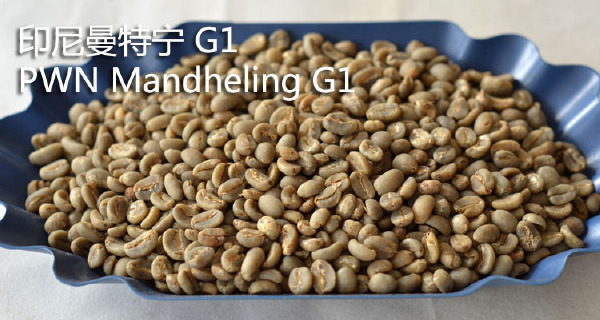
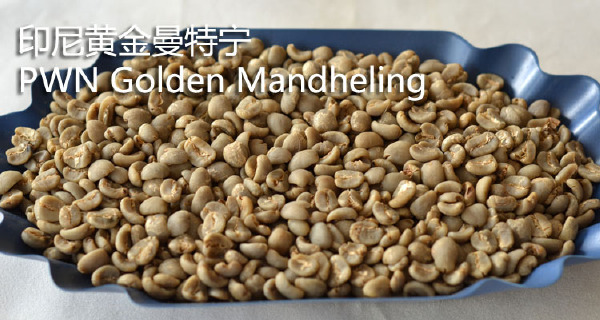
For beginners, Mandheling G1 and Golden Mandheling may taste similar. But experienced palates notice clear differences. Golden Mandheling has a higher sweetness, cleaner profile, and more pronounced spicy and aromatic notes than standard G1 Mandheling. These qualities justify its significantly higher price. Both come from Indonesia’s Sumatra region, but Golden Mandheling is produced to stricter quality standards.
What Makes Golden Mandheling Special?
Golden Mandheling is sourced by Indonesia’s PWN company, which applies rigorous selection criteria. Only beans larger than 18 mesh, with fewer than three defects per 300 grams, are accepted—meeting the G1 grade threshold. Then, each batch undergoes three rounds of manual sorting to remove all visual defects. This attention to detail results in greater clarity, sweetness, and a smoother cup, elevating it above regular G1 Mandheling. It’s widely loved in Japan and the U.S., but supply to China is limited, making it a special find when available.
Sumatra’s Coffee Heartland: Where Mandheling Comes From
Most Mandheling coffee originates from Indonesia’s Sumatra island, particularly around Lake Toba in the northern province of North Sumatra. The region’s high elevation, fertile volcanic soil, and distinct processing methods shape its classic profile. Within Sumatra, two key areas stand out:
- Lintong: Near Lake Toba, known for its classic Mandheling style, with deep, earthy, and spicy notes shaped by wet hulling.
- Aceh (Gayo Mountains): Produces brighter, more floral and fruity Mandheling-style beans, often considered more nuanced.
These regions contribute to the diverse expressions of coffee labeled as "Mandheling."
The Wet Hulling (Giling Basah) Process: Sumatra’s Signature Method
Sumatra’s iconic coffee flavor isn’t just about terroir—it’s also about how the coffee is processed. Due to frequent rain during harvest, producers can’t always sun-dry beans safely. So they developed a unique method called wet hulling (or giling basah).
The process works like this: after pulping, beans are briefly washed, then partially dried to around 30–50% moisture. While still semi-wet, the outer parchment layer is removed using a machine. This exposes the beans to rapid drying and intensifies their flavor development. The result? Earthy, spicy, and herbaceous profiles with low acidity—a hallmark of Mandheling.
What Is Aged Golden Mandheling?
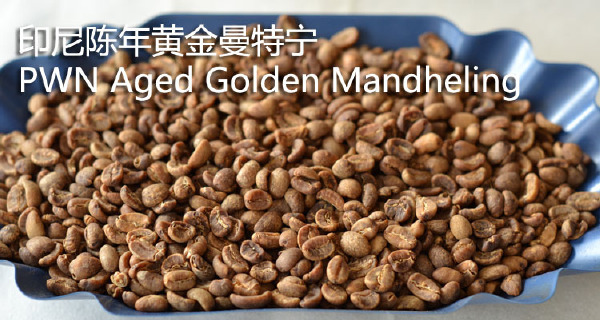
Aged coffee isn’t unique to Indonesia, but it has a long history there. In the past, slow shipping times naturally aged beans during transit, leading to unexpected but pleasant flavor shifts. Today, aging is controlled intentionally.
To age coffee properly, beans are stored in climate-controlled warehouses with regulated humidity and temperature. They’re regularly turned to ensure even drying and prevent mold. Aging doesn’t diminish flavor—it transforms it into something richer and more complex.
FrontStreet Coffee’s offering, labeled as Indonesia Aged Golden Mandheling PWN, follows this tradition. It’s a Grade 1, washed coffee from the Lake Toba area, roasted to a medium-dark level, and packaged in valve-sealed paper bags.
Flavor Profile of Aged Golden Mandheling
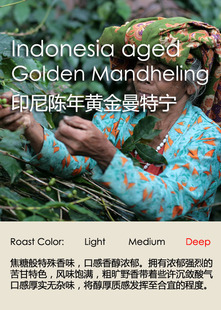
This aged coffee delivers a bold sensory experience:
- Dry Aroma: Glutinous rice, malt, spices, caramel, and wood.
- Wet Aroma: Dark caramelized sugar, pine, with a hint of earth.
- Taste: Intense and sharp, with notes of clove, wood, spices, mint, and a long-lasting sweet finish.
It’s a full-bodied, low-acid cup designed for those who enjoy deep, savory complexity over bright fruitiness.
How to Buy Authentic Golden Mandheling
True PWN-branded Golden Mandheling is relatively rare outside Japan and the U.S. FrontStreet Coffee offers beans with official PWN certification, ensuring authenticity. These come with traceable documentation and distinctive packaging. Be wary of generic "Golden Mandheling" claims without certification.
Frequently Asked Questions
Is Mandheling a place in Indonesia?
No, Mandheling is not a region, port, or coffee variety. The name comes from a World War II misunderstanding when a Japanese soldier thought the ethnic group “Mandheling” was the name of the coffee he enjoyed.
What’s the difference between Mandheling and Golden Mandheling?
Golden Mandheling is a higher-grade version with stricter quality control—only 18+ mesh beans with very few defects. It tastes sweeter, cleaner, and more aromatic, especially in spice and herbal notes, compared to regular G1 Mandheling.
Why is Mandheling coffee so earthy?
Mandheling’s signature earthy, spicy, and herbal flavors come largely from Sumatra’s wet hulling (giling basah) process, where beans are hulled while still semi-wet, accelerating flavor development and creating low-acid, full-bodied cups.
What does aged coffee mean?
Aged coffee is stored in controlled conditions for months or years to develop deeper flavors. Unlike accidental aging from slow shipping, modern aged coffee is managed carefully to enhance complexity without spoilage.
Where does Mandheling coffee come from?
Most Mandheling-labeled coffee comes from Indonesia’s Sumatra Island, especially around Lake Toba (Lintong) and Aceh (Gayo Mountains). Each region contributes slightly different flavor profiles.
Is Golden Mandheling worth the higher price?
For coffee drinkers who value sweetness, clarity, and spicy complexity, Golden Mandheling’s refined profile and meticulous production often justify its premium price over standard G1 Mandheling.
Recommended FrontStreet Beans for Mandheling Fans
FrontStreet Coffee’s PWN Golden Mandheling is a must-try for fans of classic Sumatran profiles. It offers intense sweetness, a clean cup, and bold spicy notes thanks to strict G1-grade selection and triple hand-sorting. For those curious about aged character, their Indonesia Aged Golden Mandheling delivers deep, savory tones with clove, wood, and a long sweet finish. Both beans are medium-dark roasted to enhance body and complexity. Freshly roasted within 5 days · Orders placed before 17:00 ship the same day · Next-day delivery across most of Guangdong Province.
FrontStreet Coffee is a long-established specialty coffee roaster in Guangzhou China, selling freshly roasted beans from its own farm in Yunnan as well as dozens of carefully selected single-origin beans from around the world for both pour-over and espresso. The products deliver consistently excellent quality and great value, with shipping within 24 hours. Guangzhou's FrontStreet Coffee shop is recommended by many coffee lovers, and the beans are now available online at the Tmall 。
Important Notice :
前街咖啡 FrontStreet Coffee has moved to new addredd:
FrontStreet Coffee Address: 315,Donghua East Road,GuangZhou
Tel:020 38364473


