How Bookstores Survive by Adding Coffee Shops
In recent years, independent bookstores across China have faced an existential crisis. With the rapid rise of online bookstores and digital reading, foot traffic has dropped sharply, and many beloved stores have teetered on the edge of closure. Faced with declining in-person book purchases and rising operational costs, these shops have had to innovate just to stay afloat.
The solution? More than 70% of surviving independent bookstores now combine retail with on-site cafés — a model proving effective at drawing customers back in and keeping them longer.
From Near Closure to a Second Chance
Seven years ago, Mr. Lin opened a bookstore in a prime urban location. Business was strong at first, with solid monthly sales. But over the past three years, in-store book purchases plummeted, expenses climbed, and profits vanished. By 2021, the store was nearly forced to shut down — even his accountant recommended closing the doors. That same dire situation was playing out industry-wide.
A Turning Point: The Café Addition
After cost-cutting measures like staff reductions and inventory clearance failed to reverse losses, Mr. Lin traveled to Taiwan. There, he saw cafés integrated into bookstores and returned home inspired. He renovated the second floor of his bookstore, converting the entire space into a dedicated café. The result? Sales began climbing again.
Why the Bookstore + Café Model Works
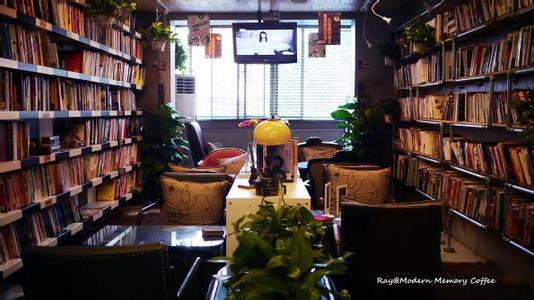
Today, the ground floor remains a traditional bookstore where customers browse titles. The second floor is a thoughtfully designed coffee shop. “Our concept is to transform browsing books into a lifestyle,” says Mr. Lin. “People come here not just to read, but to sit with a coffee, chat with friends, and spend time.”
This shift has had measurable impact: customer dwell time has doubled, and per-person spending has risen significantly. The café doesn’t just boost revenue — it enhances the overall experience. The combination creates a “three-way win”: the bookstore benefits, the café turns a profit, and customers enjoy a richer visit.
Overcoming Skepticism and Staying True to Books
When the idea was first proposed, many regulars expressed concern. Some feared the café would dilute the bookstore’s cultural vibe. Others joked that the store was turning into a coffee chain or general goods shop.
Mr. Lin stood firm. “Call it adapting to the times or making a necessary move — a bookstore is still a business. We need cash flow to survive,” he explains. The café helps shoulder financial pressure without compromising the core mission. “We’re experimenting to make the business more diverse and sustainable. But one rule remains: the bookstore side can never be neglected.”
What Industry Experts Say
Industry observers note that physical bookstores must embrace multifunctional models to endure. Beyond adding cafés, they recommend hosting cultural events, art salons, and community gatherings. By transforming into cultural hubs that offer books, coffee, and creative experiences, these spaces evolve into resilient lifestyle destinations, not just retail outlets.
Frequently Asked Questions
What caused the decline in independent bookstores?
The main factors were the rapid growth of online bookstores and the increasing popularity of e-books, which led to fewer people visiting physical shops to buy printed books. Rising rents and operating expenses worsened the situation.
How did adding a café help the bookstore?
The café increased both customer dwell time and per-person spending. It gave people a reason to stay longer, enjoy a coffee, and socialize, which helped boost overall sales and made the bookstore a destination rather than just a transactional space.
Was there resistance to the café idea?
Yes. Many loyal customers were concerned that a commercial café would harm the bookstore’s cultural atmosphere. Some even joked that the store was turning into a coffee shop or general merchandise outlet.
How did the owner address those concerns?
The owner emphasized that the café supports the bookstore financially without compromising its identity. He insisted that while innovation is important, the core book-selling business must always remain strong and well-maintained.
What other strategies are bookstores adopting?
Beyond cafés, successful bookstores are adding cultural spaces for events, art shows, and community meetups. These additions help position the store as a multidimensional lifestyle venue, not just a place to buy books.
Does the café affect the reading environment?
No. According to the owner, the café has not disrupted the bookstore’s reading atmosphere. Instead, it complements it by creating a more welcoming and leisure-focused environment.
Recommended FrontStreet Beans for Bookstore Cafés
For a bookstore café looking to serve quality coffee that appeals to a wide audience, FrontStreet Coffee’s Classic Blend offers rich, full-bodied flavor with excellent crema — perfect for milk drinks like lattes and cappuccinos. The Black Cocoa Blend provides a smooth, accessible profile at a great value, ideal for keeping costs manageable. Both are ideal for balancing quality with operational efficiency in a hybrid retail space. Freshly roasted within 5 days · Orders placed before 17:00 ship the same day · Next-day delivery across most of Guangdong Province.
FrontStreet Coffee is a long-established specialty coffee roaster in Guangzhou China, selling freshly roasted beans from its own farm in Yunnan as well as dozens of carefully selected single-origin beans from around the world for both pour-over and espresso. The products deliver consistently excellent quality and great value, with shipping within 24 hours. Guangzhou's FrontStreet Coffee shop is recommended by many coffee lovers, and the beans are now available online at the Tmall 。
Important Notice :
前街咖啡 FrontStreet Coffee has moved to new addredd:
FrontStreet Coffee Address: 315,Donghua East Road,GuangZhou
Tel:020 38364473