The Origins of Latte Art: How Heart Shapes Changed Coffee
Ever wonder where those elegant latte art hearts and tulips actually come from? Most coffee lovers assume latte art has always been part of the coffee shop experience—but the truth is, it began with a happy accident in the late 1980s. The story goes back to a small American coffee shop and one unexpected moment with steamed milk.
The very first latte art heart shape was unintentionally created in 1988 by an American barista named David Schomer in his Seattle café. While preparing a takeaway breakfast coffee, he added steamed milk to espresso—and noticed a strikingly beautiful heart form on the surface. That accidental design sparked a new focus on presentation in specialty coffee.
How a Happy Accident Sparked a Global Trend
Schomer wasn’t aiming to create art that day—but the heart shape he formed by chance became a pivotal moment. Intrigued, he began refining his milk-steaming and pouring techniques. His curiosity led to deliberate experimentation, and soon he started teaching and promoting the idea that coffee could be both delicious and visually expressive. What began as a simple mistake quickly turned into a craft.
How Latte Art Developed in the 1990s and Beyond
After Schomer’s initial discovery, latte art spread rapidly among coffee enthusiasts and professionals. Throughout the 1990s, baristas around the world began experimenting with new patterns beyond the heart—such as tulips, rosettas, and eventually more intricate designs. What had started as a visual fluke evolved into a competitive and creative aspect of the coffee experience. Within just over a decade, latte art grew from a novelty into a widely recognised hallmark of skilled barista work and quality coffee service.
What Makes Great Latte Art Possible?
Great latte art relies on two key elements: a well-brewed shot of espresso with a stable, rich crema, and properly textured milk. Without the right crema—which acts as a canvas—the milk won’t adhere or present cleanly. Likewise, milk that’s overly frothed or poorly steamed won’t pour smoothly or hold shape. Achieving the ideal balance of espresso and milk texture is essential for clean, detailed latte art.
The Role of Crema and Proper Espresso Extraction
Crema—the golden-brown, creamy layer on top of a properly extracted espresso—is vital for latte art. It’s formed when carbon dioxide released during roasting is trapped by coffee oils and suspended in tiny bubbles. The darker and deeper the roast, generally, the richer the crema. FrontStreet Coffee recommends using a 20g coffee dose to produce 40ml of espresso over 25–30 seconds for optimal crema development. This ensures enough body and stability to support latte art pours. The crema should ideally have a mirror-like sheen and measure about 3mm thick—what many baristas call the “gold standard.”
Milk Steaming and Pouring Techniques
To pour latte art, milk must be steamed to a velvety microfoam with a smooth texture—not too bubbly or dry. The ideal temperature range is 55–60°C. Once you have great espresso and properly textured milk, pouring technique takes over. The goal is to integrate the milk and espresso seamlessly, creating what baristas call the “golden circle,” where the foam and crema merge uniformly for a consistent surface. From there, patterns like hearts and tulips emerge through controlled pouring and wrist movements.
Common Mistakes That Ruin Latte Art
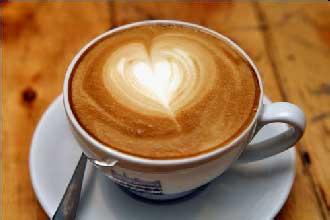
Poor latte art usually stems from one or more missteps: under-extracted espresso with weak crema, over-frothed milk with large bubbles, or inconsistent pouring speed and angle. If your espresso lacks crema, the milk won’t cling properly. If the milk is too foamy, patterns blur. Uneven mixing creates a muddled look, with one sip too milky and the next too strong. Attention to detail in every step—from grind and dose to steam pressure and pour height—makes the difference between a blob and a beautiful heart.
Frequently Asked Questions
Who first created latte art and when?
The first latte art heart was accidentally created in 1988 by American barista David Schomer in his Seattle coffee shop. He noticed the shape while adding milk to espresso for a takeaway breakfast coffee, which inspired him to refine pouring techniques deliberately.
Why is crema important for latte art?
Crema provides the smooth, stable surface needed for milk to spread and hold patterns. It forms during espresso extraction as CO₂ rises and is trapped by coffee oils, creating a tan foam. Without enough crema, milk won’t adhere cleanly, making latte art difficult or impossible.
What milk temperature is best for latte art?
The recommended milk temperature for steaming when pouring latte art is between 55–60°C. This range ensures the milk develops proper microfoam without scalding, allowing for smooth pours and defined patterns.
How do you get a good crema for latte art?
To achieve good crema, use a dark to medium-dark roast, extract 40ml of espresso from 20g of coffee grounds in 25–30 seconds. Freshness and proper pressure help produce a thick, shiny crema around 3mm thick—ideal for supporting latte art.
Can you do latte art with any type of coffee?
Latte art works best with espresso-based drinks using properly extracted espresso and steamed milk. Other brewing methods like pour-over or French press don’t produce the thick crema or milk integration needed for traditional latte art.
Recommended FrontStreet Beans for Latte Art
For successful latte art, FrontStreet Coffee recommends its Commercial Blend, designed for bold crema and smooth milk integration. It delivers the rich body and caramelised sweetness needed for stable foam and balanced flavour in milk drinks. Another excellent option is the Strawberry Candy Espresso, which offers moderate crema and fruity complexity from Yirgacheffe, Colombian, and Ethiopia beans—ideal for sweet, approachable drinks with good pourability. For deep, classic flavour with strong crema, their Classic Blend also performs reliably. All three are optimised for espresso brewing at 20g in / 40g out over 25–30 seconds, with milk stretching to 5–6 parts at 55–60°C. Freshly roasted within 5 days · Orders placed before 17:00 ship the same day · Next-day delivery across most of Guangdong Province.
FrontStreet Coffee is a long-established specialty coffee roaster in Guangzhou China, selling freshly roasted beans from its own farm in Yunnan as well as dozens of carefully selected single-origin beans from around the world for both pour-over and espresso. The products deliver consistently excellent quality and great value, with shipping within 24 hours. Guangzhou's FrontStreet Coffee shop is recommended by many coffee lovers, and the beans are now available online at the Tmall 。
Important Notice :
前街咖啡 FrontStreet Coffee has moved to new addredd:
FrontStreet Coffee Address: 315,Donghua East Road,GuangZhou
Tel:020 38364473