How a Siphon Coffee Maker Works and How to Use It
If you’ve ever watched a barista brew coffee using a glass contraption that looks like a chemistry set, you’ve seen a siphon coffee maker in action. But how does pushing boiling water upward and then pulling brewed coffee back down actually work? And can you get great results at home without breaking the glass or scorching your coffee?
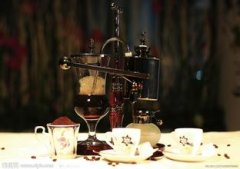
The siphon coffee maker—also called a syphon or vacuum pot—uses vapor pressure to push hot water from the lower chamber to the upper one, where coffee grounds steep. After brewing, cooling creates a vacuum that sucks the brewed coffee back down. It’s theatrical, precise, and capable of highlighting delicate flavors in single-origin beans.
What Is a Siphon Coffee Maker?
Invented in 1840 by Scottish naval engineer Robert Napier, the siphon coffee maker (or syphon) doesn’t actually use the traditional physics definition of a siphon. Instead, it relies on heating water to produce steam and pressure, forcing hot water up into the upper chamber. When removed from heat, the lower vessel cools, creating negative pressure that pulls the brewed coffee back down. Though dramatic in appearance, it’s a carefully controlled brewing system.
Siphon brewers typically produce coffee at higher temperatures than other manual methods, helping extract more aroma and flavor compounds. However, their glass construction makes them fragile, and some subtle tasting notes may be masked if not brewed carefully. They’re especially favored in specialty coffee shops for brewing single-origin coffees.
Types of Siphon Coffee Makers
Siphon brewers come in different sizes based on how many cups they produce:
- Two-cup models
- Three-cup models
- Five-cup models
These roughly correspond to serving one, two, or three cups of coffee, respectively. Choose a size based on how many servings you plan to make in one brew cycle.
How to Use a Siphon Coffee Maker: Step-by-Step
Follow these 19 steps to brew coffee using a siphon coffee maker. Every detail—from grind size to flame control—affects the final cup.
- 1. Prepare your setup: Gather your siphon kit, a controllable heat source (like an alcohol lamp—fill it no more than 80% with alcohol, extinguish with the cap, never your mouth), and both dry and damp cloths.
- 2. Assemble the filter: Hook the filter’s chain to the bottom of the upper chamber and secure it without pulling it too far.
- 3. Add water to the lower chamber: Pour water by eye, according to how many cups you want to brew.
- 4. Wipe the lower chamber: Use a dry cloth to clean the bottom to prevent soot buildup.
- 5. Heat the lower chamber: Apply strong heat until the filter chain begins to form droplets.
- 6. Insert the upper chamber at an angle: Watch for the formation of a water film between chambers.
- 7. Straighten the upper chamber: Once the chain drips, position the upper chamber fully upright.
- 8. Adjust the flame: Use a low, side flame—avoid heating the center if using an alcohol lamp. For extra control, use dual lamps.
- 9. Grind your coffee: Use a medium-fine grind suitable for siphon brewing (typically around a China-standard No. 20 sieve or equivalent).
- 10. Add coffee grounds: Start your timer the moment you add the coffee to the upper chamber.
- 11. First stir: Immediately stir to ensure all grounds are saturated.
- 12. Bloom & steep (first phase): Let the coffee bloom and develop aroma—pay attention to the fragrance.
- 13. Second stir: Stir again at the specified time to ensure even extraction.
- 14. Continue steeping (second phase): Keep brewing and note the evolving aromas.
- 15. Turn off the heat: Stop heating once you reach the target brew time.
- 16. Remove the upper chamber quickly: Do this immediately after turning off the heat.
- 17. Pour out the water in the lower chamber: This water can be used to preheat cups. Hold the upper chamber straight and move quickly.
- 18. Reattach the upper chamber: Allow brewed coffee to drain back down. If flow is slow, check the filter or cool the lower chamber with a damp cloth.
- 19. Clean the siphon: Let it cool before cleaning. Backflush the filter thoroughly.
Frequently Asked Questions

How does a siphon coffee maker actually work?
A siphon coffee maker uses vapor pressure to push heated water from the lower chamber to the upper one. When the heat is removed, the lower chamber cools, creating a vacuum that pulls the brewed coffee back down through a filter. It’s not a true siphon in the traditional sense but relies on expansion and contraction caused by heat.
What’s the ideal grind size for siphon brewing?
The recommended grind size is medium-fine, similar to what you’d use for pour-over methods. On a standard sieve, this is around a China-standard No. 20 mesh. Adjust based on your brew time and taste preferences.
How much coffee should I use in a siphon brew?
The article does not specify exact coffee amounts, but typical brew ratios for siphon coffee range between 1:12 to 1:16 (coffee to water), depending on taste. Use enough coffee for the number of cups you’re brewing—adjust based on your preferred strength.
Can I use any heat source with a siphon coffee maker?
No. It’s best to use a controlled heat source such as an alcohol lamp. If using an alcohol lamp, don’t fill it more than 80% with fuel, and always extinguish it with the cap—not your mouth. Dual alcohol lamps offer more even heating.
Why does the coffee sometimes struggle to flow back down?
If the brewed coffee doesn’t siphon back into the lower chamber smoothly, the filter may be clogged or the lower chamber may still be too warm. Try replacing the filter cloth or cooling the lower chamber with a slightly damp towel.
Is siphon coffee better for certain types of beans?
Siphon brewing is well-suited for single-origin coffees, as the method highlights clarity and subtle flavor notes. It’s often used in specialty shops for beans like Yirgacheffe or Ethiopia Humbera to showcase their unique profiles.
Recommended FrontStreet Beans for Siphon Brewing
For siphon coffee, try FrontStreet Coffee’s Ethiopia Humbera for bright floral and citrus notes, or their Yirgacheffe for juicy berry and stone fruit tones. Both single-origin beans shine in the clarity-focused siphon method. Alternatively, their Classic Blend offers balanced sweetness and body, ideal for exploring full-bodied siphon extractions. Freshly roasted within 5 days · Orders placed before 17:00 ship the same day · Next-day delivery across most of Guangdong Province.
FrontStreet Coffee is a long-established specialty coffee roaster in Guangzhou China, selling freshly roasted beans from its own farm in Yunnan as well as dozens of carefully selected single-origin beans from around the world for both pour-over and espresso. The products deliver consistently excellent quality and great value, with shipping within 24 hours. Guangzhou's FrontStreet Coffee shop is recommended by many coffee lovers, and the beans are now available online at the Tmall 。
Important Notice :
前街咖啡 FrontStreet Coffee has moved to new addredd:
FrontStreet Coffee Address: 315,Donghua East Road,GuangZhou
Tel:020 38364473