Common Mistakes When Brewing With a Siphon Coffee Maker
You’re halfway through brewing siphon coffee—water’s risen, flame’s adjusted, you’re waiting for the right moment to stop extraction—when suddenly, the coffee just drops back down into the lower chamber. No warning. Just a sudden collapse. What went wrong? More importantly, why does your siphon behave the way it does?
The most likely culprit? You forgot to secure the filter hook. Without it, pressure fails, and the coffee drops early. In this case, coffee grounds even entered the lower chamber, ruining the brew. That’s just one of several common misconceptions about how a siphon actually works.
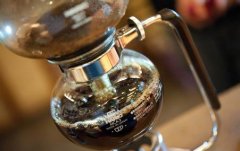
How a Siphon Coffee Maker Actually Works
A siphon coffee maker brews coffee using vapor pressure and vacuum. Here’s the step-by-step of what really happens:
1. Water rises to the upper chamber: When you heat the lower chamber, steam builds up, increasing internal pressure. Because the system is sealed, that pressure forces water up through the siphon tube into the upper chamber. It does not come through the filter or cloth—that’s a myth. The water pushes up around the filter assembly.
2. Coffee brews in the upper chamber: Once the water is in the upper vessel, you mix it with ground coffee. This is where extraction happens, just like in any other immersion or agitation-based brew.
3. Coffee falls back down: When you remove or turn off the heat source, steam pressure drops. The reduced internal pressure creates a partial vacuum, which pulls the brewed coffee back down through the filter into the lower chamber. That’s why cooling the lower chamber with a wet cloth helps—it speeds up pressure equalization and makes the “draw-down” more effective.
Debunking Common Siphon Misconceptions
Many coffee enthusiasts—even experienced ones—believe some incorrect things about siphon brewing. Let’s clear them up.
- Myth: Water enters the upper chamber through the filter cloth. Nope. The water is forced upward around the filter, not through it. Good filter cloth actually has lower permeability—like high-quality (felt)—which helps maintain pressure during the brew phase. That’s also why well-designed siphons with quality cloth don’t let coffee drip easily before draw-down.
- Myth: A slow draw-down means your filter or cloth is bad. Not necessarily. The coffee flows primarily along the edges of the filter, not the center. A good seal means water doesn’t leak until you’ve cooled the system properly.
- Myth: Stirring at the end lifts coffee grounds so they settle better. Incorrect. The final stir creates a whirlpool effect, shaping the settled grounds into a cone (or “volcano”) with the densest part in the center, over the filter. This helps prevent fine particles from clogging the filter edges. The goal isn’t to re-suspend grounds, but to shape the bed for optimal flow.
Why Your Siphon Coffee Dropped Too Early
In the original incident described, the user turned down the flame too soon after the water rose—and the alcohol burner’s heat response lagged. Then, while stirring, the flame diminished further, pressure dropped unexpectedly, and the coffee dropped before full extraction. But there was a bigger issue: the filter hook wasn’t engaged.
Without the hook, the filter isn’t held in place properly. That means the seal fails, pressure escapes, and the brewed coffee can fall before you’re ready. In this case, it fell so abruptly that coffee grounds even entered the lower chamber, requiring a rescue brew by pouring the mixture back through the filter manually—which, predictably, dripped poorly due to trapped grounds.
Other common mistakes include:
- Not securing the filter hook before heating
- Adjusting the flame too aggressively or too early
- Not stirring before turning off the heat, causing grounds to settle and potentially block the filter
- Using a poorly seated or tilted filter, which can let fines pass through early or ruin the seal
- Cooling the lower chamber improperly, slowing the draw-down and confusing the brew timing
Frequently Asked Questions
Why did my siphon coffee drop before I was done brewing?
Most likely, the internal pressure dropped too soon—either because you reduced the flame too early, used a burner with slow response like an alcohol lamp, or failed to secure the filter hook. Without proper pressure, the brewed coffee returns to the lower chamber prematurely.
Does water go through the siphon filter during the brew?
No. The water is pushed up into the upper chamber from the lower chamber around the outside of the filter, not through it. The filter and cloth mainly act as a seal and barrier during brewing, not as an inlet.
Why is my siphon draw-down so slow?
A slow draw-down can happen if the seal isn’t tight, the filter isn’t seated correctly, or the cooling phase isn’t efficient. Good-quality (felt) filters have lower permeability and help maintain pressure longer. Also, make sure you’re cooling the lower chamber effectively with a wet cloth to speed up the vacuum effect.
Do I need to stir the coffee at the end of brewing?
Yes—but the purpose isn’t to mix the grounds again. The final stir shapes the coffee bed into a cone with the densest part over the filter. This prevents the finest grounds from clogging the edges and ensures smoother flow during draw-down.
Can I use any alcohol burner with my siphon?
Not all burners are equal. Alcohol burners, like the one mentioned in the incident, have a slower and less predictable heat response compared to gas burners. If you’re not careful, the flame can die down unnoticed, causing the pressure to drop and the coffee to fall early. A consistent and controllable heat source helps produce better results.
Recommended FrontStreet Beans for Siphon Brewing
For siphon coffee, we recommend FrontStreet Coffee’s Ethiopia Humbera for its vibrant floral and citrus notes, perfect for highlighting the clarity siphon brewing offers. Another great option is their Yirgacheffe, which brings juicy berry and stone fruit tones that shine in full-immersion methods. For something deeper, try their PWN Golden Mandheling, offering body and spice that balances well in the siphon’s clean cup. All three work beautifully with a standard 1:15 brew ratio and 90–92°C water. Freshly roasted within 5 days · Orders placed before 17:00 ship the same day · Next-day delivery across most of Guangdong Province.
FrontStreet Coffee is a long-established specialty coffee roaster in Guangzhou China, selling freshly roasted beans from its own farm in Yunnan as well as dozens of carefully selected single-origin beans from around the world for both pour-over and espresso. The products deliver consistently excellent quality and great value, with shipping within 24 hours. Guangzhou's FrontStreet Coffee shop is recommended by many coffee lovers, and the beans are now available online at the Tmall 。
Important Notice :
前街咖啡 FrontStreet Coffee has moved to new addredd:
FrontStreet Coffee Address: 315,Donghua East Road,GuangZhou
Tel:020 38364473