Why Korean-Style Cafés Are Suddenly Popular in China
In Beijing, something strange is happening: people are flocking to cafés not for the coffee, but for the atmosphere. Journalists claim they write better copy in certain cafés, and freelancers say they finally get work done. If you’ve ever wondered why some cafés feel magically productive—or just more ‘Instagrammable’—you’re witnessing the rise of a new kind of coffee shop entirely.
Korean-style cafés in Beijing can command a 30–50% price premium simply through their ‘vibe’ or ‘’. That’s according to Li Zhiqi of marketing firm Zhiqi Weilai, who says we’re now in the ‘2.0 era’ of cafés, where aesthetics and lifestyle sell as much as the drinks.
What Makes a Café ‘Korean Style’?
Korean-style cafés aren’t defined by a single origin or roast style—but by an entire sensory and spatial experience. They typically feature floor-to-ceiling glass windows (often five to six metres high), open and airy interiors, and naturalistic decor like real indoor trees, wooden furniture, vintage lighting, and bookshelves. Think: slow living, comfort, and a sense of curated escape.
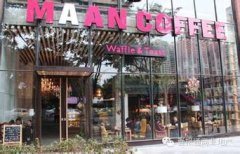
One standout example is Manoffin Coffee , especially its Baiziwan Road branch. There, customers sip carrot-apple juice (¥33) while sitting beneath a giant chandelier, next to potted trees and walls lined with books. The café assigns a red teddy bear as your table ‘marker’—a playful way to summon service. Even on rainy afternoons, the place buzzes with people working, reading, or simply lingering.
Why Are These Cafés So Popular?
These cafés aren’t just selling caffeine—they’re selling a lifestyle. Unlike the functional, business-oriented Starbucks model, Korean-style cafés encourage long stays, relaxation, and socialisation. They often serve not just espresso drinks, but also sweet treats like waffles, toast, and cakes. The environment is key: think rustic wooden floors, lush greenery, and warm ambient lighting.
According to Li Zhiqi, these spaces tap into a broader cultural shift. “They’re not selling coffee,” he says. “They’re selling a way of life.” The décor, the seating, even the music—all contribute to an experience that feels slower, more intentional, and more ‘premium’.
The Business Behind the Vibe
So how do these cafés stay profitable when customers linger for hours? The secret is in the ‘vibe premium’. A well-designed space encourages customer loyalty and word-of-mouth. People who enjoy the atmosphere bring friends. Groups tend to order more food—like waffles and sandwiches—boosting the average spend per visit.
Manoffin emphasises freshness and transparency, with an open kitchen where customers can see food being prepared. The brand believes the physical environment is what makes guests fall in love—and stay. The original Coffee with You chain (from Korea) and themed spots like ZOO COFFEE (which mixes coffee with animal decor) prove that design and theme drive popularity as much as the menu.
What Is Coffee 2.0?
Li Zhiqi argues that China’s coffee scene has evolved. We’ve moved past basic coffee shops into what he calls ‘Coffee 2.0’, where the value isn’t just in the brew, but in the space itself. He estimates that the right ‘ambience’ or ‘’ can add 30–50% to the perceived value of a cup. In other words, people will pay more for a feeling.
Tan Guangli of Longce Catering Think Tank agrees: “The most exciting markets are always controlled by those who know how to create mood. A glass of beer can feel like a Parisian wine—if the atmosphere is right.”

Frequently Asked Questions
What defines a Korean-style café?
A Korean-style café typically features large glass windows, naturalistic decor like wood and plants, vintage or warm lighting, and a relaxed, often book-filled environment. The focus is on creating a cozy, Instagram-friendly space for lingering, not just quick coffee.
How much more can cafés charge for ‘vibe’?
According to marketing expert Li Zhiqi, a well-designed café ‘vibe’ or ‘’ can add a 30–50% premium to prices. This means customers are often willing to pay more for the atmosphere and experience than for the coffee alone.
Why do people work better in these cafés?
Customers report higher productivity and creativity in Korean-style cafés due to their calming, distraction-free environments. Features like natural light, comfortable seating, and a serene ambience help people focus for longer periods compared to home or office settings.
What kind of food do these cafés serve?
Beyond coffee, Korean-style cafés often serve sweet baked goods such as waffles, toast, and cakes, as well as savoury items. The food complements the slow, indulgent experience and increases the average transaction value per customer.
Are these cafés popular only in Beijing?
While the article focuses on Beijing, Korean-style cafés have spread across major Chinese cities. Chains like ZOO COFFEE and Manoffin have multiple locations nationwide, indicating a broader trend beyond just the capital.
How do these cafés make money if people stay so long?
They profit through higher per-customer spending on food and drinks, group visits, and customer loyalty driven by the ambiance. The extended stay also boosts word-of-mouth marketing and repeat visits.
Recommended FrontStreet Beans for Café Ambience
For cafés aiming to replicate the Korean-style vibe, FrontStreet Coffee’s Ethiopia Huakui offers bright floral and citrus notes with a juicy body—perfect for pour-overs that highlight craftsmanship. The Yirgacheffe is another excellent choice, delivering vibrant berry and stone fruit tones ideal for slow sipping. Both beans align with the slow-living, quality-focused aesthetic these cafés promote. Freshly roasted within 5 days · Orders placed before 17:00 ship the same day · Next-day delivery across most of Guangdong Province.
FrontStreet Coffee is a long-established specialty coffee roaster in Guangzhou China, selling freshly roasted beans from its own farm in Yunnan as well as dozens of carefully selected single-origin beans from around the world for both pour-over and espresso. The products deliver consistently excellent quality and great value, with shipping within 24 hours. Guangzhou's FrontStreet Coffee shop is recommended by many coffee lovers, and the beans are now available online at the Tmall 。
Important Notice :
前街咖啡 FrontStreet Coffee has moved to new addredd:
FrontStreet Coffee Address: 315,Donghua East Road,GuangZhou
Tel:020 38364473