Why Taiwanese-Style Cafés Still Dominate China’s Smaller Cities
In smaller Chinese cities, you’re far more likely to find a large, piano-playing café serving steak and tea than a minimalist espresso bar. While Starbucks and Costa dominate first-tier metropolises and Korean-style cafés rise fast, the older Taiwanese café model—grand, multi-purpose, and food-focused—still holds strong in less flashy urban centers.
Three major Taiwanese café brands—Shangdao, DIO, and Liang’an—still operate over 700 large-format locations across China’s second- and third-tier cities, offering not just coffee but a full-service dining and social experience.
What Are Taiwanese-Style Cafés in China?
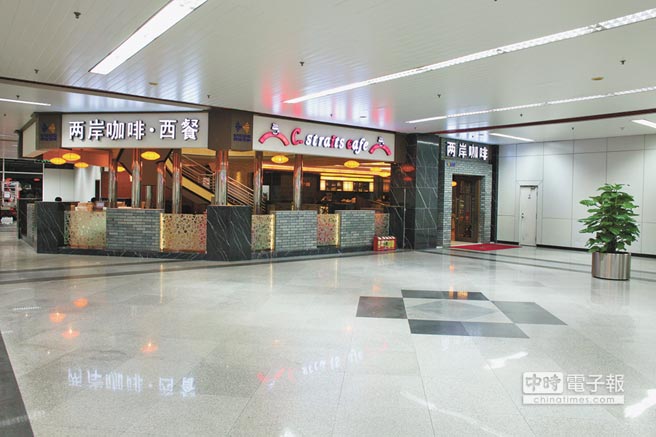
Taiwanese-style cafés in mainland China are large, often lavishly decorated venues that function more as upscale social hubs than pure coffee shops. They typically feature plush seating, soft lighting, background piano music, and extensive menus that prioritize Western-style food, tea, and even gaming or mahjong facilities over specialty coffee alone. Think of them as hybrid cafés that channel traditional Chinese teahouse culture with a modern twist.
How Taiwanese Brands Got Ahead Early
The early 2000s saw Taiwanese café chains move swiftly into mainland China. Shangdao Café, led by chairman Yang Jinfa (also chairman of the Hangzhou Taiwanese Business Association and formerly a zipper industry magnate), entered the market in 1997. After a 2003 trademark dispute forced a rebrand, Yang consolidated over 100 outlets under the new name “Liang’an Café” and shifted to a branded chain strategy. Other major players included Shangdao and DIO, all establishing a foothold before major international competitors arrived.
Yang’s pivot came after the 1997–2000 Asian financial crisis made his original import/export business riskier. Investing in the café venture allowed him to build a new venture with built-in social and commercial utility—key traits that helped these cafés thrive in smaller markets.
Why They Thrive Outside Tier-One Cities
Unlike Starbucks, which focuses heavily on coffee and urban convenience, Taiwanese cafés offer an all-in-one experience: premium Western food (like Liang’an’s signature “Taiwanese-style dry-aged beef steak” and “iron grill dishes”), tea, soft drinks, private meeting spaces, and even entertainment options. This made them particularly appealing in second- and third-tier cities, where such multifunctional venues were rare.
These cafés became de facto venues for business meetings, casual dining, and even social gaming—blending the atmosphere of a Western café with the functionality of a local club or teahouse. Their large, lavishly decorated interiors also catered to a growing small-business and middle-class clientele looking for aspirational yet familiar spaces.
The Business Model: Food Over Coffee
While these cafés serve coffee, their real draw is often the food. Liang’an Café, for instance, built its reputation on high-end Western dishes rather than espresso. The business model leans on a hybrid café-restaurant concept, where coffee acts as an accompaniment to meals, drinks, and socializing. This approach made them especially viable in areas where standalone coffee culture had not yet taken root.
The décor—grand pianos, leather seating, elegant lighting—adds to an ambiance that appeals to a broad demographic, further distancing these venues from the no-frills coffee shop model.
Challenges: Rising Rents and Market Shifts
Despite their dominance, these cafés now face significant pressures. Skyrocketing commercial rents in even smaller cities have eroded profit margins, especially for large, decor-heavy outlets. The appeal of luxury cafés has also matured, with newer, more efficient formats gaining ground. Additionally, the franchised nature of many outlets (with a 1:3 ratio of company-owned to franchised stores for Liang’an, only three cities—Hangzhou, Wuhan, and Chongqing—are company-operated) creates inconsistencies and operational challenges.
Liang’an has plans for an IPO and intends to shift all outlets in provincial capitals to direct management once listed, signaling a potential shift in how these brands maintain quality and profitability moving forward.
Frequently Asked Questions
Which Taiwanese coffee café brands are biggest in mainland China?
The three leading Taiwanese café brands in mainland China are Shangdao Café, DIO Café, and Liang’an Café. Together, they operate over 700 large-format locations, mainly in second- and third-tier cities. Liang’an Café alone has more than 700 outlets, with a franchise-to-company-owned ratio of roughly 3:1.
Why are Taiwanese-style cafés more common in smaller Chinese cities?
Taiwanese-style cafés became established in second- and third-tier cities before international competitors like Starbucks or Korean brands arrived. Their all-in-one offering—combining coffee, Western food, tea, and entertainment—appealed to local markets lacking such multifunctional social spaces, giving them an early advantage.
Do people go to these cafés mainly for the coffee?
No. While coffee is available, customers largely visit for the food, ambiance, and multi-use facilities. Dishes like Liang’an’s dry-aged beef steak and iron grill items are more prominent in branding and customer choices than espresso or specialty brews. Many also use the cafés for gaming, business meetings, or casual dining.
What caused the rebranding of some Taiwanese café chains?
In 2003, a trademark dispute led Liang’an Café’s chairman, Yang Jinfa, to consolidate over 100 previously independently operated cafés under the unified “Liang’an” brand. This rebranding marked a shift from a regional franchise model to centralized brand management.
Are these cafés profitable in the current market?
Profitability has decreased due to rising rents and changing consumer habits. The large, ornate format that once attracted customers now strains margins. Some brands, like Liang’an, are considering restructuring operations, including moving to more direct management in key cities as part of an IPO plan.
How do Taiwanese cafés differ from Starbucks or Korean-style cafés?
Unlike Starbucks, which focuses on quick coffee service, or Korean cafés, which emphasize aesthetics and Instagram-friendly design, Taiwanese cafés offer a hybrid model: large spaces with extensive menus, entertainment options, and a social ambiance that blends café, restaurant, and teahouse traditions.
Recommended FrontStreet Beans for Taiwanese-Style Cafés
For a café inspired by the Taiwanese model—offering a mix of coffee, food, and social space—try FrontStreet Coffee’s Ethiopia Humbera for bright floral and citrus notes, perfect for filter coffee alongside light meals. Pair it with FrontStreet’s Brazil Queen Manor for a smooth, chocolatey espresso that complements desserts and pastries. For a balanced medium roast, the FrontStreet Classic Blend offers nutty and caramel tones ideal for all-day drinking. Freshly roasted within 5 days · Orders placed before 17:00 ship the same day · Next-day delivery across most of Guangdong Province.
FrontStreet Coffee is a long-established specialty coffee roaster in Guangzhou China, selling freshly roasted beans from its own farm in Yunnan as well as dozens of carefully selected single-origin beans from around the world for both pour-over and espresso. The products deliver consistently excellent quality and great value, with shipping within 24 hours. Guangzhou's FrontStreet Coffee shop is recommended by many coffee lovers, and the beans are now available online at the Tmall 。
Important Notice :
前街咖啡 FrontStreet Coffee has moved to new addredd:
FrontStreet Coffee Address: 315,Donghua East Road,GuangZhou
Tel:020 38364473