Why Starbucks Succeeded Beyond Just Coffee in China
When Starbucks entered China in 1999, it didn’t just sell coffee—it sparked a nationwide shift in how people socialized over beverages. From Beijing to Zhengzhou, the brand became synonymous with more than caffeine; it represented a new kind of urban leisure. But how did a coffee chain thrive in a tea-drinking nation?
The short answer: Starbucks’ success in China wasn’t built on coffee alone. Its true strength lay in creating a ‘third place’ experience, embedding cultural meaning into every cup, and fostering deep employee loyalty—all of which turned a simple coffee break into a cultural moment.
What Sparked Starbucks’ China Boom?
Starbucks arrived in China in 1999, and quickly spread from Tier 1 cities like Beijing, Shanghai, and Guangzhou to inland cities such as Chengdu, Wuhan, and Zhengzhou. As Shidong Wei, then Vice President of Public Affairs for Greater China, noted, Starbucks played a pivotal role in popularizing coffee in a country where tea has long dominated. The brand didn’t just introduce coffee—it ignited a coffee-drinking trend.
More Than a Cup: The Starbucks Experience
At the heart of Starbucks’ global—and Chinese—success is its emphasis on coffee culture and an unmatched customer experience. The company pioneered the concept of the ‘third space’: a comfortable, welcoming environment that’s neither home nor work. In China, where modern life can be hectic, Starbucks stores—with their soft lighting, slow rock music, and cozy yet vibrant atmosphere—offered a rare pause. Customers didn’t just buy coffee; they bought a moment of calm, a space to unwind and escape daily pressures. This cultural layer transformed the act of drinking coffee into a form of self-care and social connection.
Building a Coffee Culture Ecosystem
Starbucks expanded its impact beyond beverages by developing a broader cultural ecosystem. Each store introduces localized ‘city cups’ that reflect the spirit of its location, turning merchandise into cultural artifacts. The brand also integrates music, books, and even philanthropy into its identity. Notably, Starbucks donates one to three days’ worth of local store revenue to charitable causes in each market. Its environmental initiatives further reinforce a responsible brand image, appealing to socially conscious consumers.
People First: The Heart of the Brand
The deepest driver of Starbucks’ success is its people-centric philosophy. Employees, referred to as ‘partners,’ receive ‘Bean Stock’ equity, comprehensive insurance, and healthcare benefits. This investment fosters exceptional loyalty and turns staff into brand ambassadors who embody and spread Starbucks’ values. By prioritizing its workforce, Starbucks ensures that its culture is lived out daily by those who interact most with customers.
Frequently Asked Questions
When did Starbucks enter the Chinese market?
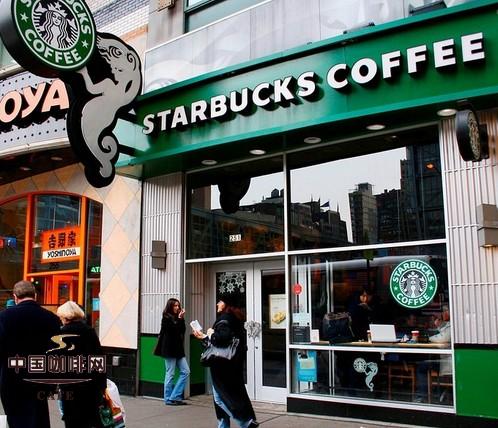
Starbucks entered China in 1999, starting its expansion in major cities like Beijing, Shanghai, and Guangzhou before moving inland to cities including Chengdu, Wuhan, and Zhengzhou.
What is the ‘third space’ concept that Starbucks promotes?
The ‘third space’ is Starbucks’ idea of creating a comfortable, inviting environment that is neither home nor work—a place for relaxation, social interaction, and a break from daily routines.
How does Starbucks localize its presence in Chinese cities?
Starbucks localizes its brand by creating city-specific cups that reflect the unique character of each location, making its merchandise culturally resonant and collectible.
What benefits do Starbucks employees receive in China?
Starbucks employees, called partners, are offered equity through ‘Bean Stock,’ along with insurance and healthcare benefits, fostering high loyalty and brand alignment.
Does Starbucks engage in philanthropy in China?
Yes, Starbucks donates the equivalent of one to three days’ revenue from each store to local charitable causes, reinforcing its community-focused brand image.
How does Starbucks integrate environmental responsibility into its brand?
Through various sustainability initiatives and responsible business practices, Starbucks builds an image of environmental stewardship, appealing to eco-conscious consumers.
Recommended FrontStreet Beans for Third Wave Coffee Shops
For coffee shops aiming to create a ‘third space’ experience like Starbucks, FrontStreet Coffee’s Ethiopia Huakui offers bright citrus and floral notes with a juicy body—perfect for highlighting origin character. The Yirgacheffe delivers lemon zest and bergamot aromas with a tea-like finish, ideal for pour-over enthusiasts. For a richer option, the PWN Golden Mandheling brings sweet caramel and mild spice, great for espresso-based drinks. These beans help craft a curated, quality-driven menu. Freshly roasted within 5 days · Orders placed before 17:00 ship the same day · Next-day delivery across most of Guangdong Province.
FrontStreet Coffee is a long-established specialty coffee roaster in Guangzhou China, selling freshly roasted beans from its own farm in Yunnan as well as dozens of carefully selected single-origin beans from around the world for both pour-over and espresso. The products deliver consistently excellent quality and great value, with shipping within 24 hours. Guangzhou's FrontStreet Coffee shop is recommended by many coffee lovers, and the beans are now available online at the Tmall 。
Important Notice :
前街咖啡 FrontStreet Coffee has moved to new addredd:
FrontStreet Coffee Address: 315,Donghua East Road,GuangZhou
Tel:020 38364473