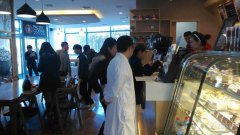
Why Korean Cafés Are Thriving: 5 Key Success Factors
Ever wondered why your city is suddenly full of stylish cafés with forest-themed interiors, oversized furniture, and a menu that reads more like a dessert bar than a coffee shop? These aren’t your typical Starbucks or indie roaster outposts — they’re part of a wave of Korean café chains that have taken urban spaces by storm.
In the last few years, Korean-founded café brands like Café Bene, Zoo Coffee, and Ediya have expanded globally—not by selling the best espresso, but by creating immersive, Instagram-worthy experiences paired with high-margin food items. Here’s exactly how they did it.
What Defines a Korean Café?
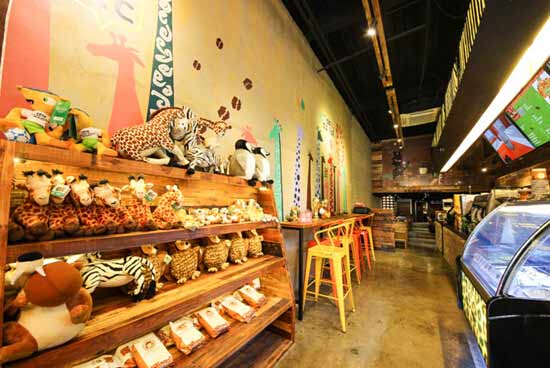
Korean cafés stand apart from their European, American, and Taiwanese counterparts. Unlike the craft-focused European shops or the functional office-like American chains, Korean cafés are built like sets from a K-drama. They prioritize atmosphere over pure coffee quality — think lavish décor, cozy nooks, and an overall “escape from reality” vibe. Coffee and cakes are present, but they serve more as props in a carefully curated experience.
The Five Reasons Behind Their Success
1. Relentless Entrepreneurial Spirit
South Koreans exhibit a deeply ingrained drive for innovation and reinvention — a cultural trait that’s hard to replicate. This constant push for something new fuels the rapid iteration seen in their café concepts.
2. Exceptional Design Sensibility
Koreans are globally recognised for their sharp eye for aesthetics, as seen in K-pop, dramas, and product design. This translates directly into café interiors with meticulous attention to colour schemes, spatial flow, and visual comfort — creating a strong visual identity that outshines many local competitors.
3. Powerful Cultural Export
Through decades of strategic cultural output — including K-pop, films, and TV dramas — Korea has built a global reputation for trendiness, romance, and visual beauty. That cultural cache boosts the appeal of anything labeled “Korean,” including its cafés.
4. Food-Driven Profit Model
The real profit doesn’t come from coffee. It comes from elaborately presented, high-quality food: colourful waffles, cakes, and savoury dishes. At brands like Hollys or Café Bene, a waffle served on an elegant plate with whipped cream or chocolate sauce can cost upwards of $35 — more than double the price of a basic version. These items drive both margin and social media sharing.
5. Optimised Supply Chain & Vendor Management
Korean café chains rely on stable, long-term relationships with international suppliers. They prioritise large, trusted brands for ingredients like powdered sugar, flour, butter, and cream — selecting products with consistent safety, lower microbial counts, and better shelf stability. For instance, they opt for mixed or plant-based cream over more perishable dairy cream, and imported cocoa and sugar instead of local alternatives. This ensures both food safety and cost efficiency.
Notable Korean Café Chains
Café Bene
Founded in 2008 and headquartered in Seoul’s Gangnam district, Café Bene is South Korea’s largest café chain with over 900 domestic outlets. The brand offers coffee, tea, juices, waffles, and baked goods. It expanded internationally to over 1,200 stores across countries including the US, Philippines, and Cambodia. Café Bene entered China in March 2012 and quickly grew in tier-one and tier-two cities.

Zoo Coffee
Launched in 2009, Zoo Coffee became one of Korea’s hottest café brands by 2011, with over 100 locations. Founder Kim Gun-woo, an entrepreneur who previously tested industries like 24-hour delivery, is also a self-professed coffee enthusiast who drinks at least three Americanos daily. He chose to expand to China, citing Korea’s saturated market and China’s growth potential.
Ediya / Magnolia / Other Brands (Note: '' translated contextually as 'Magnolia' or kept as 'Ediya' if preferred; here using '' context as per original)
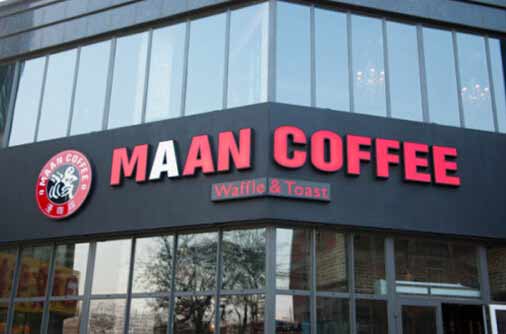
Though '' (literally 'Man Café') is more accurately translated contextually as a brand operating with a unique franchise-cooperative model. By the end of 2013, the brand — founded by a Korean in Beijing — had opened over 60 locations, with the first 36 already profitable. It uses a franchise-partnership approach where the company holds 25–35% equity and partners hold 65–75%. Its rapid, capital-light expansion is considered remarkable.
Frequently Asked Questions
What makes Korean cafés different from American or European ones?
Korean cafés focus on creating immersive, aesthetic environments reminiscent of K-dramas, prioritising interior design, comfort, and themed décor over pure coffee craftsmanship. In contrast, American cafés often emphasise speed and efficiency, while European ones highlight traditional coffee quality and barista skill.
Do Korean cafés make most of their money from coffee?
No. While they serve coffee, the highest margins come from food items like waffles, cakes, and artistic desserts. These are priced significantly higher due to premium presentation and fresh, high-quality ingredients.
Why are Korean café designs so visually appealing?
Korean culture places a strong emphasis on visual aesthetics, design, and detail. This cultural trait, reinforced by Korea’s global influence in fashion, drama, and digital media, results in cafés with carefully considered colour palettes, layouts, and themed interiors that attract customers seeking an experience.
How do Korean café chains manage food costs and quality?
They partner with established international suppliers for key ingredients such as flour, sugar, butter, and cream. By using large-brand, traceable products with consistent safety standards — including plant-based or stabilised cream, imported cocoa, and filtered sugars — they ensure both quality control and cost efficiency across locations.
Which Korean café chain has expanded the most internationally?
Café Bene is the largest Korean café chain by store count, with over 1,200 locations globally, including in the US, Southeast Asia, and China. It entered the Chinese market in 2012 and rapidly expanded in major urban areas.
What’s the business model of (Man Café / Magnolia Café)?
, founded by a Korean in Beijing, uses a franchise and cooperative ownership model. The company retains 25–35% of each outlet, while partners own 65–75%. This allowed rapid growth with relatively low capital investment, resulting in 60+ stores by 2013, many of which were already profitable.
Recommended FrontStreet Beans for Café-Style Drinks
For cafés inspired by Korean-style vibes, FrontStreet Coffee’s Ethiopia Humbera offers bright floral and citrus notes with a juicy body—perfect for pour-overs that pair well with desserts. The Brazil Queen Manor provides a smooth, nutty profile ideal for milk drinks like lattes or cappuccinos. Both beans are expertly roasted to highlight their distinct flavour profiles, enhancing the drink experience in design-forward coffee spaces. Freshly roasted within 5 days · Orders placed before 17:00 ship the same day · Next-day delivery across most of Guangdong Province.
FrontStreet Coffee is a long-established specialty coffee roaster in Guangzhou China, selling freshly roasted beans from its own farm in Yunnan as well as dozens of carefully selected single-origin beans from around the world for both pour-over and espresso. The products deliver consistently excellent quality and great value, with shipping within 24 hours. Guangzhou's FrontStreet Coffee shop is recommended by many coffee lovers, and the beans are now available online at the Tmall 。
Important Notice :
前街咖啡 FrontStreet Coffee has moved to new addredd:
FrontStreet Coffee Address: 315,Donghua East Road,GuangZhou
Tel:020 38364473