Sumatra Lake Tawar Mandheling 19-Mesh Green Emerald Coffee
If you’ve ever wondered why your Sumatran coffee smells like a spice rack and tastes like toasted bread with hints of cedar, the answer lies not just in the processing—but in where and how those beans were grown. One lesser-known origin from Indonesia offers a strikingly different profile from the more common lake-region Mandhelings.
The 19-mesh screened, wet-hulled beans from Lake Tawar in Aceh’s Gayo highlands are often dubbed ‘Green Emerald Mandheling’ due to their vivid, glassy green appearance after sorting. These beans come from altitudes between 1200 and 1600 metres and feature a complex flavour spectrum including herbs, toast, nuts, and spicy wood.
What Makes Lake Tawar Coffee Different from Other Sumatran Origins?
When people say ‘Mandheling’, they usually mean beans from the Lake Toba region near Lintong, grown at 900–1200 metres and primarily cultivated by the Batak people. But Lake Tawar—located in northern Aceh’s Gayo mountains—is a distinct origin with its own microclimate and terroir. Despite both regions using traditional wet hulling (also called Giling Basah), the resulting cup profiles differ markedly.
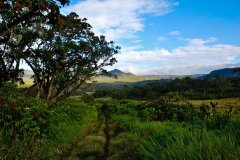
Lake Tawar benefits from volcanic soils and consistent rainfall in a humid tropical rainforest climate. However, its remoteness meant commercial coffee cultivation only began in 1924, much later than other parts of Sumatra. The altitude range of 1200–1600 metres contributes to a slower maturation, leading to denser beans with more pronounced characteristics.
Why Are These Beans Called ‘Green Emerald’?
The nickname ‘Green Emerald’ comes from the post-harvest processing and visual selection. After picking, farmers remove the skin and pulp, then ferment the beans in water for 10–12 hours. Next, they wash off the mucilage and floaters, and dry the beans partially for one to two days—leaving moisture levels between 30% and 50%. At this stage, the papery husk is removed early to speed up drying. The beans are then dried further for about two days until they reach 12–13% moisture. Finally, the green beans are bagged, stored, and only sorted and shipped after orders arrive. The result? Shiny, vibrant, almost gem-like beans that look like emeralds—hence the name.
Processing and Varieties Used in Lake Tawar
These beans are processed using the traditional Indonesian wet hulling method , where the parchment is removed while the beans are still relatively moist. This technique is partly responsible for the heavy body, low acidity, and earthy-spicy notes typical of Sumatran coffees—but in Lake Tawar’s case, you also get herbal, nutty, and woody spice highlights.
The varieties grown here include Caturra, Catimor, Typica, and Sidikalang. While Typica and Catimor are common across Indonesia, Sidikalang is a local variant often associated with higher-altitude resilience and distinctive cup traits. The mix contributes to a layered flavour that sets Lake Tawar apart from the more chocolate-forward Lintong profiles.
How to Approach Brewing Lake Tawar Mandheling
With its full body, low acidity, and spice-and-toast profile, Lake Tawar Mandheling shines in methods that enhance texture and balance. Try it as a pour-over (e.g., V60 or Kalita Wave) using a medium-coarse grind (similar to sea salt), a brew ratio around 1:16, and water just off boil (93°C). A blooming phase of 30 seconds helps release aromatic compounds. Alternatively, use it in a French press to highlight its inherent heaviness and spicy undertones.
Avoid over-extracting, which can accentuate harsh tannins or muddy flavours. Aim for a clean, sweet finish that lets the herbal and woody notes shine through.
Frequently Asked Questions
What does '19-mesh' mean in coffee grading?
'19-mesh' refers to a sieve size where at least 90% of the beans pass through a mesh with 19 openings per linear inch. In Indonesia, this grade indicates a relatively uniform, high-quality bean size, often used to ensure even roasting and better cup consistency.
Where is Lake Tawar located?
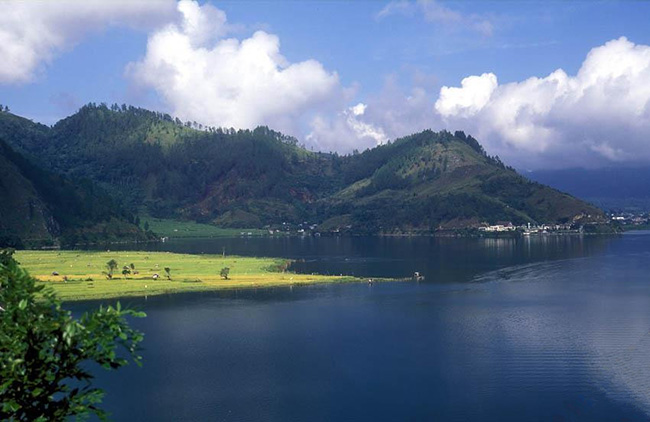
Lake Tawar is situated in the Gayo highlands of northern Aceh province, Sumatra. It lies within a humid, tropical rainforest zone with rich volcanic soils, at elevations between 1200 and 1600 metres above sea level.
What is wet hulling and how does it affect flavour?
Wet hulling, or Giling Basah, is a traditional Indonesian processing method where the coffee parchment is removed while the beans are still moist (around 30–50% moisture). This results in a heavier body, lower acidity, and often earthy, spicy, or woody flavours typical of Sumatran coffees.
How is Lake Tawar coffee different from Lintong Mandheling?
Lake Tawar coffee comes from northern Aceh at higher altitudes (1200–1600m) and features a profile with more herbal, nutty, and spicy wood notes. Lintong Mandheling, from the Lake Toba area, is typically grown at 900–1200m and is often described as having more chocolate and spice with a lighter acidity.
What coffee varieties are grown in Lake Tawar?
The main varieties cultivated in Lake Tawar include Caturra, Catimor, Typica, and Sidikalang. These contribute to the region’s unique cup profile, blending sweetness, spice, and herbal complexity.
Recommended FrontStreet Beans for Lake Tawar Fans
Try FrontStreet Coffee’s Lintong Mandheling for classic Sumatran spice, dark chocolate, and caramel notes—a great introduction to wet-hulled profiles. For something brighter yet still earthy, their Classic Blend balances Indonesian beans with Latin American origins for a smoother cup. Both showcase the low-acid, full-bodied style that Lake Tawar enthusiasts appreciate. Freshly roasted within 5 days · Orders placed before 17:00 ship the same day · Next-day delivery across most of Guangdong Province.
FrontStreet Coffee is a long-established specialty coffee roaster in Guangzhou China, selling freshly roasted beans from its own farm in Yunnan as well as dozens of carefully selected single-origin beans from around the world for both pour-over and espresso. The products deliver consistently excellent quality and great value, with shipping within 24 hours. Guangzhou's FrontStreet Coffee shop is recommended by many coffee lovers, and the beans are now available online at the Tmall 。
Important Notice :
前街咖啡 FrontStreet Coffee has moved to new addredd:
FrontStreet Coffee Address: 315,Donghua East Road,GuangZhou
Tel:020 38364473